Mastering Spinnerbait Slow Rolling Techniques for Bass
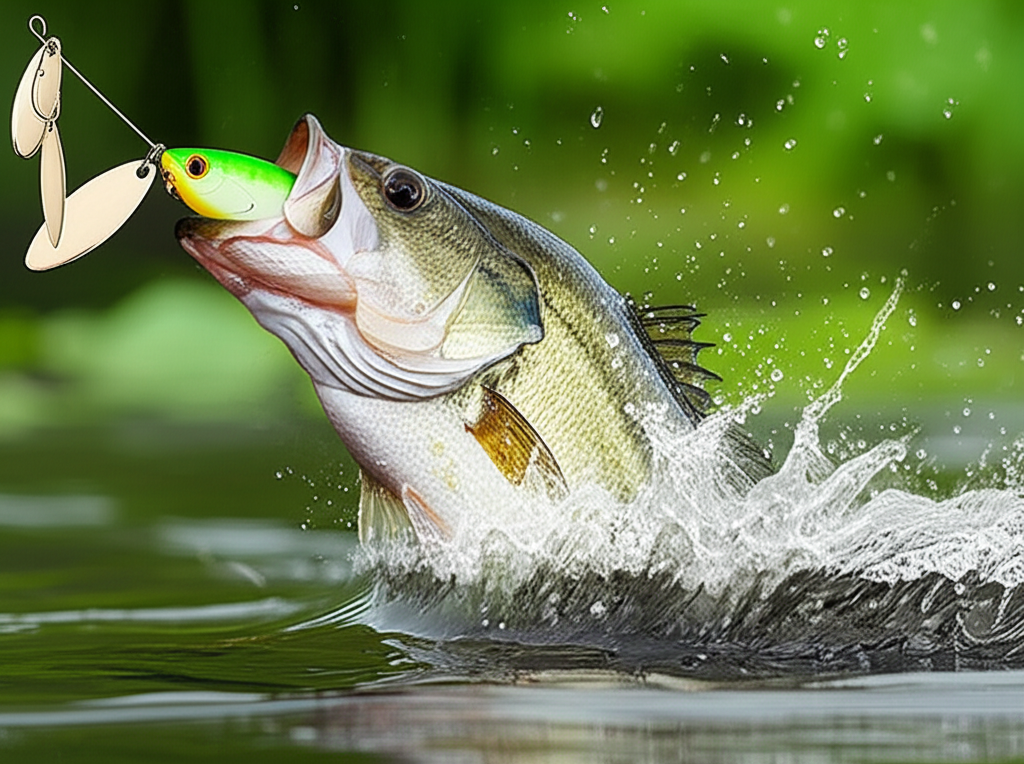
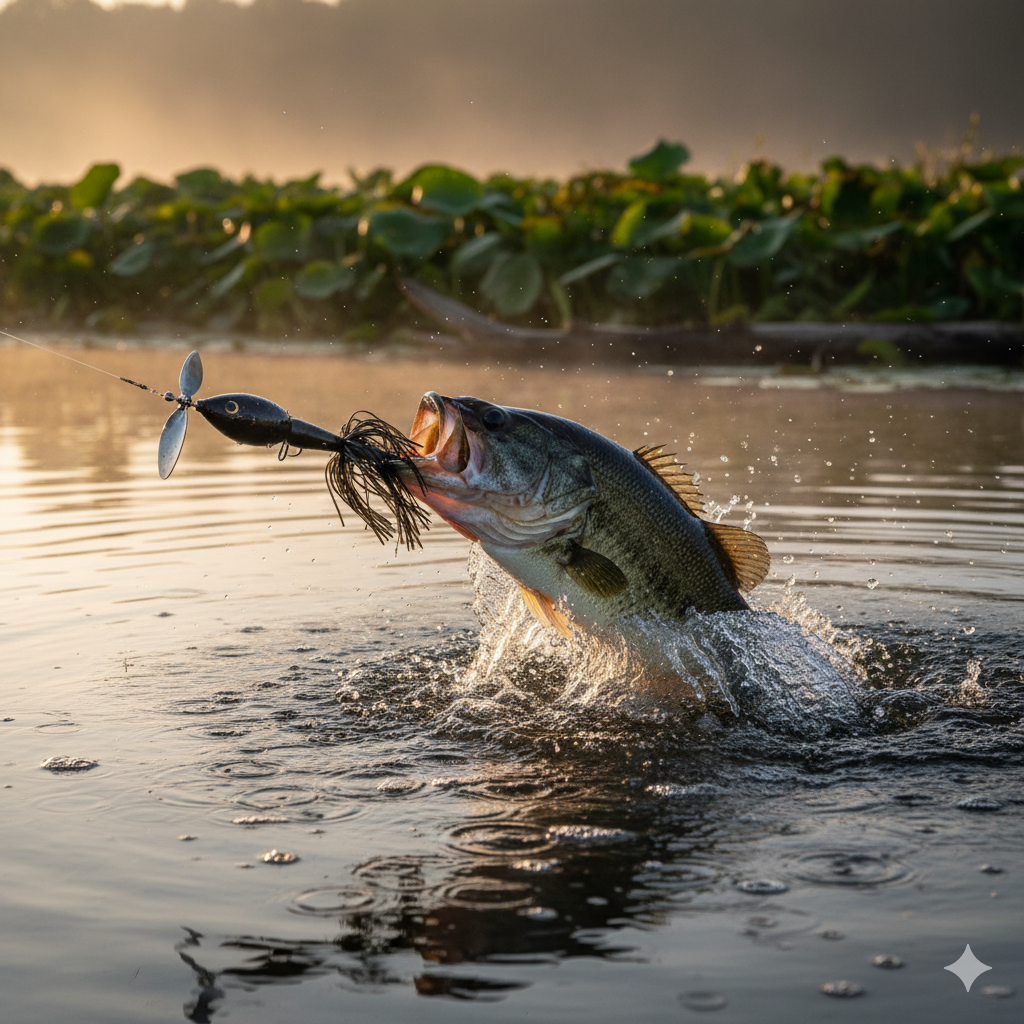
Are you struggling to entice those elusive, deep-water bass, especially when they’re lethargic or tucked away in heavy cover? If so, it’s time to add a powerful weapon to your angling arsenal: spinnerbait slow rolling techniques. This highly effective method involves retrieving a spinnerbait at a deliberately slow pace, allowing it to hug the bottom or glide just above submerged structure, mimicking a wounded or vulnerable baitfish. Mastering spinnerbait slow rolling techniques can dramatically increase your success, particularly in colder water or during post-front conditions when bass are less aggressive.
This comprehensive guide will demystify the art of the spinnerbait slow roll, providing you with actionable insights and expert tips to transform your fishing game. We’ll delve into everything from essential gear and the perfect retrieve to common pitfalls and advanced strategies for 2024/2025. By the end of this article, you’ll possess the knowledge to confidently execute a spinnerbait slow presentation, ensuring you’re ready to catch more big bass on your next outing.
Table of Contents
- What is spinnerbait slow rolling techniques?
- Key Benefits and Importance
- Complete Step-by-Step Guide
- Expert Tips & Best Practices
- Common Mistakes to Avoid
- Advanced Strategies for 2024/2025
- Essential Tools & Resources
- Frequently Asked Questions
What is spinnerbait slow rolling techniques?
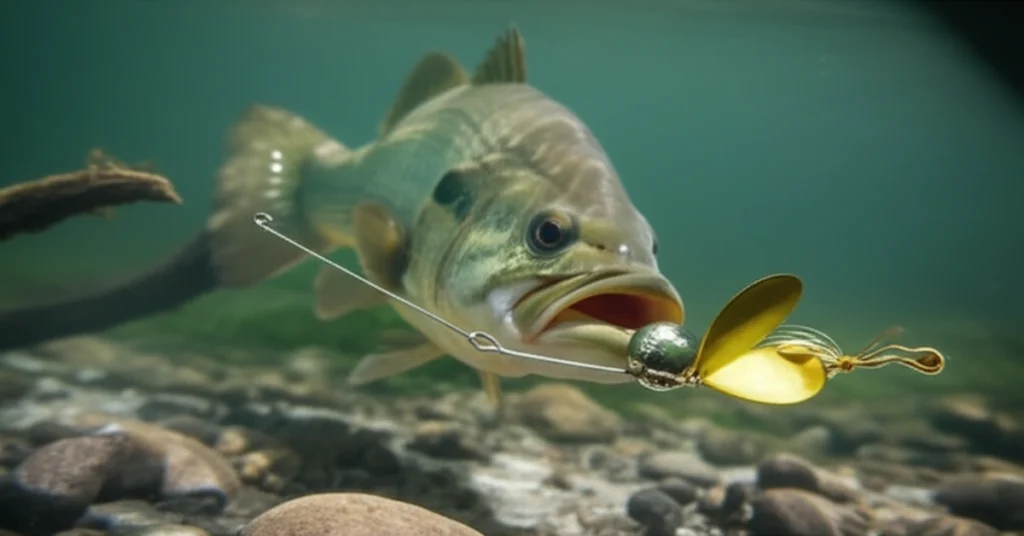
Spinnerbait slow rolling techniques involve a deliberate, slow retrieve of a weighted spinnerbait, allowing it to maintain contact with the bottom or specific submerged structure for extended periods. This method aims to present the lure as a slow-moving, easy meal, often triggering reaction strikes from inactive or cautious fish.
At its core, the spinnerbait slow roll is about patience and precision. Unlike fast retrieves designed to cover water quickly, a spinnerbait slow retrieve focuses on tempting bass that are reluctant to chase. It’s an exceptionally effective spinnerbait slow presentation for targeting spinnerbait slow rolling bass hunkered down in cover, such as deep weed lines, rock piles, or timber. When executed correctly, the blades on your spinnerbait will just barely turn, creating subtle flash and vibration – a “spinnerbait slow motion” appeal that can be irresistible. This spinnerbait slow roll guide provides the foundational knowledge for successful spinnerbait slow roll fishing, offering vital spinnerbait slow roll tips to enhance your angling skills.
Key Components
- Weight & Balance: Heavier spinnerbaits (3/4 oz to 1 oz or more) are crucial for maintaining bottom contact during a spinnerbait slow roll, ensuring you stay in the strike zone longer.
- Blade Configuration: Large Colorado blades or a combination of Colorado and Willowleaf blades offer maximum lift and vibration at slow speeds, enhancing the spinnerbait slow presentation.
- Rod & Reel Combo: A sensitive yet powerful rod paired with a slow-to-moderate gear ratio reel (5.1:1 to 6.4:1) provides the necessary control and feel for effective spinnerbait slow retrieve.
- Line Type: Fluorocarbon or braided line with a fluorocarbon leader offers the sensitivity to detect subtle bites and the strength to pull bass from heavy cover, vital for spinnerbait slow rolling techniques.
Why spinnerbait slow rolling techniques Matters: Key Benefits
Mastering spinnerbait slow rolling techniques isn’t just another skill; it’s a strategic advantage that significantly increases your catch rates, especially when other methods fail. Anglers consistently report higher success rates in challenging conditions, making it an indispensable technique for serious bass fishermen.
Targeting Reluctant & Deep Bass
One of the primary benefits of the spinnerbait slow roll is its ability to entice bass that are otherwise uninterested. When fish are cold, stressed, or lethargic (common after a cold front or in deep winter waters), a fast-moving lure can be ignored. However, a spinnerbait slow presentation, creeping along the bottom like a vulnerable meal, often triggers a reaction strike. This technique shines when targeting spinnerbait slow rolling bass in depths of 10-25 feet, where traditional power fishing struggles to maintain consistent lure presence. It allows you to saturate the strike zone and appeal directly to fish holding tight to cover, offering distinct spinnerbait slow roll tips for deeper water scenarios.
Versatility in Varied Conditions and Cover
The beauty of spinnerbait slow rolling techniques lies in its remarkable versatility. This method excels not only in cold water but also during hot summer days when bass seek refuge in cooler, deeper sanctuaries. It’s incredibly effective around diverse structures such as submerged rock piles, brush piles, standing timber, deep weed edges, and even bridge pilings. The slow retrieve minimizes snagging by allowing you to “feel” the cover and gently bump over obstructions, a crucial aspect of successful spinnerbait slow roll fishing. This adaptability makes it a valuable component of any comprehensive spinnerbait slow roll guide.
“The spinnerbait slow roll isn’t just about speed; it’s about conveying vulnerability. It presents an easy target, convincing even the most hesitant bass that the energy expended is worth the meal.”
Complete Guide to spinnerbait slow rolling techniques – Step-by-Step
Executing a perfect spinnerbait slow roll requires attention to detail, from selecting the right gear to mastering the retrieve. Follow these steps to maximize your chances of success with spinnerbait slow rolling techniques.
Step 1: Gear Selection & Preparation
Your equipment forms the foundation of effective spinnerbait slow rolling. Choose wisely to ensure optimal performance and feel.
- Spinnerbait Weight: Start with a 3/4 oz or 1 oz spinnerbait. Heavier options (up to 1.5 oz) are ideal for deeper water or strong currents, essential for a successful spinnerbait slow roll.
- Rod: Opt for a medium-heavy to heavy power casting rod, 7′ to 7’6″ in length, with a moderate-fast action. This provides the backbone for heavy lures and the sensitivity to detect subtle bites during a spinnerbait slow retrieve.
- Reel: A baitcasting reel with a gear ratio between 5.1:1 and 6.4:1 is perfect. Slower ratios make it easier to maintain the desired spinnerbait slow motion retrieve without overcranking.
- Line: Spool up with 15-20 lb fluorocarbon for sensitivity and abrasion resistance, or 30-50 lb braided line with a 15-20 lb fluorocarbon leader for maximum strength and feel, especially when targeting spinnerbait slow rolling bass in heavy cover.
Step 2: Casting & Initial Presentation
Accurate casting is paramount to placing your spinnerbait precisely where the bass are holding and initiating the correct spinnerbait slow presentation.
Cast beyond your target area, allowing the spinnerbait to sink on a controlled slack line. As it descends, keep a slight bow in your line to help it fall naturally and prevent snags. Count it down to estimate depth until you feel it hit the bottom or desired cover. Once it reaches the target depth, begin your retrieve. This initial fall is crucial for setting up your spinnerbait slow retrieve, letting the blades start to turn as it settles.
Step 3: Mastering the Slow Retrieve & Feel
The heart of spinnerbait slow rolling techniques is the retrieve itself. This isn’t just about cranking slowly; it’s about establishing a connection with your lure and the bottom.
Begin a steady, slow retrieve, just fast enough to ensure the blades are turning. The goal is to keep the spinnerbait in constant contact with the bottom or grazing the tops of submerged cover. Imagine your lure is walking along the bottom. If you feel a ‘thump’ or ‘tick,’ that’s usually the spinnerbait bumping into an obstruction. Instead of reeling faster, gently lift your rod tip to guide it over the obstacle, then continue your spinnerbait slow retrieve. This ‘bump and go’ approach is key to mimicking a foraging baitfish. Vary your retrieve slightly by adding subtle pauses or short lifts to trigger strikes, creating enticing spinnerbait slow rolling patterns.
Expert Tips & Best Practices for spinnerbait slow rolling techniques
Even with the right gear and basic understanding, a few expert tips can elevate your spinnerbait slow rolling techniques from good to phenomenal. These insights focus on refining your approach for consistent success.
For Beginners:
- Focus on Feel: Pay close attention to your rod tip. You should feel the blades vibrating and the spinnerbait bumping off cover. This constant feedback is critical for successful spinnerbait slow roll fishing.
- Start with Known Structure: Practice your spinnerbait slow retrieve in areas with clear, defined cover like rock piles or logs. This helps you understand how the lure interacts with structure.
- Experiment with Colors: While natural colors (white, chartreuse, shad patterns) are often a good starting point, don’t hesitate to experiment with brighter colors in stained water or darker days. A subtle change can make a big difference in your spinnerbait slow presentation.
For Advanced Users:
- Trailer Hook Mastery: Always add a sharp, correctly sized trailer hook. Many bass will short-strike a slow-rolling spinnerbait, and a trailer hook significantly increases your hook-up ratio, especially for spinnerbait slow rolling bass.
- Scent Application: Applying a fish attractant scent to your spinnerbait skirt can give hesitant bass that extra incentive to commit to the bite. This minor detail can be a game-changer for spinnerbait slow rolling techniques.
- Blade Color & Flash: Don’t just stick to chrome or gold. Experiment with painted blades (e.g., matte black, chartreuse) for different light conditions and water clarity, or even “slow motion” blades designed to spin at ultra-low speeds.
5 Common spinnerbait slow rolling techniques Mistakes to Avoid
Avoiding common errors is as crucial as mastering the correct steps when it comes to successful spinnerbait slow rolling techniques. Being aware of these pitfalls can save you time and prevent frustration on the water, helping you maximize your spinnerbait slow roll tips.
Mistake #1: Retrieving Too Fast
The Problem: The most frequent mistake is reeling too quickly, causing the spinnerbait to rise off the bottom or out of the strike zone. This defeats the purpose of a spinnerbait slow presentation, as it no longer mimics a struggling or easy meal, reducing its appeal to lethargic bass.
The Solution: Consciously slow down your retrieve. Focus on just enough speed to feel the blades barely turning. If you’re unsure, practice in clear, shallow water to observe the spinnerbait slow motion action firsthand. Err on the side of too slow, rather than too fast.
Mistake #2: Using the Wrong Gear
The Problem: Employing lightweight rods, fast-ratio reels, or thin monofilament line can severely hinder your ability to effectively execute spinnerbait slow rolling techniques. Lack of sensitivity, poor lure control, and insufficient backbone for heavy lures or fish in cover are common consequences.
The Solution: Invest in the recommended gear: a medium-heavy to heavy rod, a slow gear ratio baitcaster (5.1:1-6.4:1), and fluorocarbon or braided line. This setup provides the sensitivity, power, and control needed for a proper spinnerbait slow retrieve and to handle spinnerbait slow rolling bass.
Mistake #3: Ignoring Bottom Contact
The Problem: Many anglers fail to consistently keep their spinnerbait in contact with the bottom or the desired depth of cover. When the lure is suspended too high, it’s less likely to attract fish holding tight to structure.
The Solution: Use a heavy enough spinnerbait for the depth and current you’re fishing. Actively feel for the bottom with your rod tip, making micro-adjustments to your retrieve speed or rod angle to maintain consistent contact. The goal is to scrape, bump, and crawl along the structure as part of your spinnerbait slow rolling patterns.
Mistake #4: Not Using a Trailer Hook
The Problem: Bass, especially less aggressive ones targeted by a spinnerbait slow presentation, often short-strike, meaning they nip at the back of the lure without fully engulfing the main hook. This leads to missed bites and frustration.
The Solution: Always add a trailer hook, securely fastened to the main hook. Choose one that matches the size of your main hook and extends slightly beyond the skirt, significantly increasing your chances of hooking those hesitant fish during spinnerbait slow roll fishing.
Mistake #5: Lack of Patience
The Problem: Spinnerbait slow rolling techniques are not about covering vast amounts of water quickly. Impatience can lead to rushing the retrieve or abandoning the technique too soon when bites aren’t immediate.
The Solution: Understand that this is a methodical approach. Focus on thoroughly working a specific area, making multiple casts from different angles. Bass might not strike on the first pass. Patience is a virtue, especially when waiting for spinnerbait slow rolling bass to commit to the slow, tempting lure.
Advanced spinnerbait slow rolling techniques Strategies for 2024/2025
Once you’ve mastered the fundamentals, these advanced spinnerbait slow rolling techniques can help you unlock even more potential, making you a truly formidable angler in 2024 and 2025. These strategies focus on subtle manipulations and environmental considerations.
Yo-Yoing the Slow Roll
Beyond a steady retrieve, incorporating a “yo-yo” motion can trigger aggressive reaction strikes, especially in cold water or when bass are suspended slightly off the bottom. Instead of a purely horizontal spinnerbait slow retrieve, periodically lift your rod tip sharply (1-2 feet) then let the spinnerbait fall back on a controlled slack line, maintaining tension. This mimics a dying baitfish struggling and then plummeting, a prime target for spinnerbait slow rolling bass. The flash of the blades on the lift and the flutter on the fall create an irresistible spinnerbait slow motion action. This technique is particularly effective around standing timber or deep brush piles, where fish might be positioned higher in the water column but still want a slow presentation.
Stalling Over Structure & Contact Points
This strategy involves momentarily “stalling” your spinnerbait slow roll when it encounters a significant piece of cover or a depth transition. As your spinnerbait slow presentation bumps a log, rock, or the edge of a drop-off, pause your retrieve for 1-3 seconds. Allow the lure to hover or slowly fall, maintaining the subtle blade rotation. Many strikes occur during this pause, as bass have a moment to examine the lure and decide to strike. This technique requires excellent feel and a keen understanding of your lure’s position. It’s a highly effective way to convert investigative followers into aggressive biters, enhancing your spinnerbait slow rolling patterns and ensuring you’re maximizing every contact point.
Essential Tools & Resources for spinnerbait slow rolling techniques
Having the right tools and knowing where to find additional information are critical for refining your spinnerbait slow rolling techniques. Equipping yourself properly ensures you’re ready for any scenario that spinnerbait slow roll fishing presents.
Recommended Tools:
- Specialized Spinnerbaits: Look for spinnerbaits specifically designed for slow rolling, often featuring larger, slower-spinning Colorado blades and heavier weights (3/4 oz to 1.5 oz). Brands like Strike King, War Eagle, and Booyah offer excellent options.
- Casting Rod (7′-7’6″ MH-H): A high-modulus graphite rod with a fast tip and strong backbone is essential for feeling subtle bites and effectively setting the hook on spinnerbait slow rolling bass. Sensitivity is key for maintaining the perfect spinnerbait slow retrieve.
- Low Gear Ratio Baitcasting Reel (5.1:1 – 6.4:1): This allows for easier, more consistent slow winding, preventing you from inadvertently reeling too fast. It’s a foundational tool for any comprehensive spinnerbait slow roll guide.
Additional Resources:
- Online Fishing Forums & Communities: Websites like BassResource.com or The Bass Network offer a wealth of shared knowledge, where experienced anglers discuss spinnerbait slow roll tips and current trends.
- YouTube Tutorials: Search for “spinnerbait slow roll techniques” or “spinnerbait slow motion fishing” to find visual demonstrations. Channels like TacticalBassin or The Bass Fishing Archives often provide detailed guides.
Frequently Asked Questions About spinnerbait slow rolling techniques
Q1: What are the best conditions for spinnerbait slow rolling techniques?
Answer: Spinnerbait slow rolling techniques truly shine in colder water (below 55°F), post-front conditions with high pressure, or when bass are lethargic and holding tight to deep cover. It’s also excellent for targeting spinnerbait slow rolling bass in low-light conditions, such as early morning, late evening, or overcast days. When fish aren’t actively chasing, a spinnerbait slow presentation can be incredibly effective.
Q2: What is the ideal spinnerbait weight for a slow roll?
Answer: For effective spinnerbait slow rolling, you’ll generally want heavier spinnerbaits, ranging from 3/4 ounce to 1.5 ounces. The exact weight depends on the depth you’re fishing and any current. Heavier lures help maintain bottom contact and allow for a true spinnerbait slow retrieve, ensuring the lure stays in the strike zone and exhibits that enticing spinnerbait slow motion.
Q3: Should I use a single or double blade spinnerbait for slow rolling?
Answer: For spinnerbait slow rolling techniques, a double-bladed spinnerbait, typically with a large Colorado blade paired with a Willowleaf, is often preferred. The larger Colorado blade provides maximum lift and vibration at slow speeds, while the Willowleaf adds flash. This combination creates a more enticing spinnerbait slow presentation, crucial for spinnerbait slow roll fishing. Single Colorado blades are also excellent.
Q4: Is a trailer necessary for spinnerbait slow rolling techniques?
Answer: Yes, a soft plastic trailer (like a grub or a small swimbait) is highly recommended for spinnerbait slow rolling techniques. It adds bulk, provides extra action, and offers a larger profile, making the spinnerbait slow presentation even more appealing. Additionally, always use a trailer hook with your spinnerbait slow roll setup; it significantly improves your hook-up ratio when bass short-strike the lure.
Conclusion: Master spinnerbait slow rolling techniques for Long-term Success
Mastering spinnerbait slow rolling techniques is more than just learning another fishing method; it’s about developing a profound understanding of bass behavior and presentation. By employing the right gear, focusing on a deliberate spinnerbait slow retrieve, and refining your spinnerbait slow presentation, you’ll unlock access to reluctant bass that often evade other anglers. This comprehensive spinnerbait slow roll guide has equipped you with actionable spinnerbait slow roll tips and advanced strategies.
As we move into 2024 and 2025, the principles of spinnerbait slow rolling techniques will remain a timeless and highly effective approach for catching big spinnerbait slow rolling bass. Embrace the patience and precision required for the spinnerbait slow roll, experiment with different spinnerbait slow rolling patterns, and watch as your success in spinnerbait slow roll fishing dramatically improves. Get out there, put these spinnerbait slow motion strategies into practice, and experience the thrill of consistent catches.
Related Articles You Might Find Helpful:
- Choosing the Best Spinnerbaits for Diverse Spinnerbait Slow Rolling Techniques
- Understanding Bass Behavior: Why a Spinnerbait Slow Presentation Works
- Advanced Jig Fishing Strategies: Complementary to Spinnerbait Slow Rolling Patterns
What’s Your spinnerbait slow rolling techniques Experience?
Have you had success with spinnerbait slow rolling techniques? What are your go-to spinnerbait slow roll tips or favorite spinnerbait slow rolling patterns? Share your experiences, challenges, or success stories in the comments below – we’d love to hear from you!
Note: This guide reflects current best practices and is updated regularly to ensure accuracy. Last updated: November 24, 2024