Master Spinner Fishing River Current: A Pro Guide
The flash of a spinner blade cutting through a river’s flow is one of angling’s most timeless and effective sights. For many anglers, however, harnessing the power of moving water remains a mystery, leading to snagged lures and empty creels. Mastering the art of spinner fishing river current is the key to unlocking consistent success, transforming a challenging environment into your greatest asset. This comprehensive guide will demystify the process, teaching you how to read the water, select the right gear, and apply proven techniques to entice predatory fish from their hidden lairs. You’ll move beyond simple casting and retrieving to truly understanding the dynamics of lure presentation in moving water.
This isn’t just about randomly throwing hardware; it’s a calculated dance between you, your lure, and the river’s energy. We will dive deep into everything from fundamental principles to advanced strategies, ensuring you have the knowledge to adapt to any situation. Whether you’re targeting trout in a mountain stream or bass in a large river system, understanding the nuances of spinner fishing river current will dramatically elevate your catch rate and confidence on the water. This is your ultimate resource for turning river currents from an obstacle into an opportunity.
Table of Contents
- What is spinner fishing river current?
- Key Benefits and Importance
- Complete Step-by-Step Guide
- Expert Tips & Best Practices
- Common Mistakes to Avoid
- Advanced Strategies for 2024/2025
- Essential Tools & Resources
- Frequently Asked Questions
What is spinner fishing river current?
Spinner fishing river current is the specialized angling method of using the river’s natural flow to present a spinning lure to fish. Instead of relying solely on the retrieve to create action, the angler strategically uses the water’s movement to make the spinner’s blade rotate, flutter, and swing into target zones. This technique is fundamentally different from fishing in still water, as it requires a deep understanding of hydrology and lure control.
At its core, this approach combines several disciplines: effective spinner river fishing involves reading the water to identify fish-holding structures like seams and eddies. Anglers must master various spinner current techniques, such as the downstream swing or the upstream retrieve, to match the conditions. Success in spinner flowing water depends on precise lure placement and speed control, which are central spinner river tactics. This dynamic form of spinner current fishing allows for incredibly natural presentations. By understanding key spinner river patterns, providing excellent spinner current tips, and following a solid spinner river guide, anglers can perfect their spinner flow fishing approach. Ultimately, successful spinner current strategies are about using the river’s own energy to trigger a fish’s predatory instincts.
Key Components
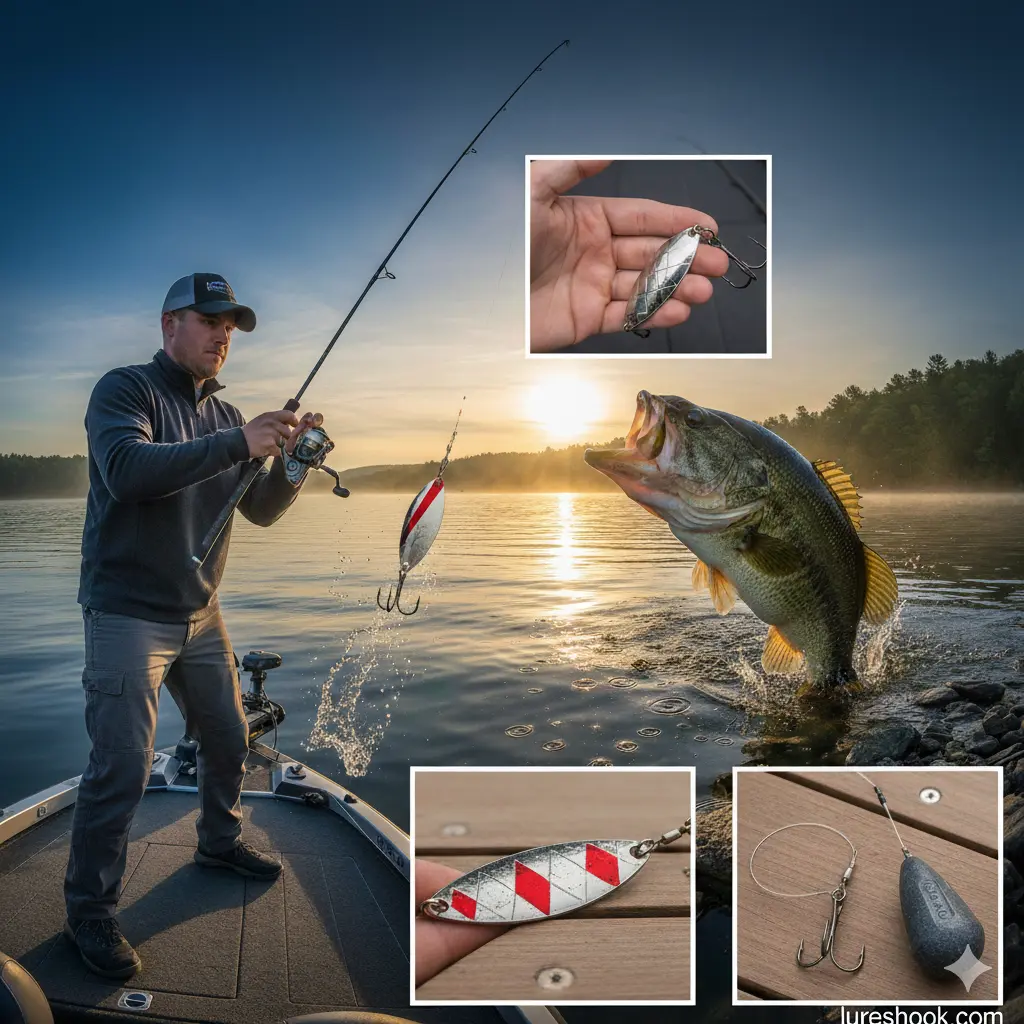
- The Spinner Lure: A lure with a metal blade that rotates around a central shaft, creating flash and vibration that mimics baitfish and provokes aggression.
- The Current: The river’s flow, which acts as the engine that powers the lure’s action and dictates the presentation path.
- Reading the Water: The skill of identifying seams, eddies, pools, and riffles where fish are likely to hold to ambush prey while conserving energy.
- Casting Angle & Retrieve Speed: The two most critical variables the angler controls to influence the lure’s depth, action, and path through the water.
Why spinner fishing river current Matters: Key Benefits
Understanding and applying proper techniques for spinner fishing river current can be the single most significant factor in your success on moving water. It allows you to cover vast stretches of river efficiently and present your lure in a way that is irresistible to ambush predators. Fish in rivers are conditioned to react to food items drifting with the current, and a well-presented spinner perfectly imitates this behavior, triggering explosive reaction strikes.
Triggering Instinctive Strikes
A spinner moving with the current mimics a disoriented or fleeing baitfish, an easy meal for trout, bass, or pike. The combination of flash, vibration, and natural drift is a powerful trigger that bypasses a fish’s caution. For instance, swinging a spinner across a current seam places the lure directly in the feeding lane of a waiting trout, forcing a split-second decision to either strike or let a potential meal escape. This is a far more effective approach than a lure moving unnaturally against the flow.
Efficient Water Coverage
The river’s current becomes your ally, helping you present the lure to areas you couldn’t otherwise reach effectively. A single cast, angled upstream or across, can be managed to cover multiple potential fish-holding spots as it swings downstream. This method, a cornerstone of spinner flow fishing, lets you explore a wide swath of water, from shallow riffles to deep pools, with minimal effort and maximum effectiveness, ensuring you show your lure to more active fish throughout the day.
“Don’t fight the river; make it your partner. The moment you learn to use the current to deliver your spinner is the moment you become a truly effective river angler.”
Complete Guide to spinner fishing river current – Step-by-Step
Following a systematic approach to spinner fishing in rivers will build a strong foundation for success. This process breaks down the key actions from selecting your gear to executing the perfect cast and retrieve. Each step is crucial for presenting your lure naturally and effectively.
Step 1: Select the Right Gear
Your equipment is your connection to the fish, and the right setup is critical for lure control in moving water. Choose a rod with enough sensitivity to feel the blade turning but with the backbone to handle strong fish in a heavy current.
- Rod/Reel: A light to medium-light power spinning rod, 6’6″ to 7’6″ in length, with a fast action tip is ideal. Pair it with a 1000 to 2500-size spinning reel with a smooth drag.
- Line: 4 to 8-pound test monofilament or fluorocarbon line. Monofilament’s stretch can be forgiving, while fluorocarbon’s low visibility is an advantage in clear water.
- Spinner Selection: Carry a variety of sizes, weights, and blade colors (e.g., silver, gold, copper, painted). Heavier spinners are for deeper, faster water, while lighter ones excel in shallow or slow-moving sections.
Step 2: Read the River and Identify Targets
Before you even cast, analyze the water to find high-probability spots. Fish in rivers position themselves to intercept food while expending minimal energy. Look for current breaks, which are the primary locations for spinner river fishing. Key structures include current seams (where fast and slow water meet), eddies (swirling backflows behind rocks or logs), tailouts of pools, and deep runs. These are the ambush points you will target.
Step 3: Execute the Cast and Manage the Retrieve
The cast and retrieve are where spinner current techniques come into play. There are three primary casting angles: upstream, across the current, and downstream. The most common and effective is the quartering-downstream cast. Cast across and slightly downstream, then allow the spinner to swing across the current in a natural arc. Maintain just enough tension on the line to feel the blade thumping. As the lure swings below you, retrieve it slowly through any remaining slack water. This method ensures your spinner is presented broadside to fish looking upstream for a meal.
Expert Tips & Best Practices for spinner fishing river current
Adhering to best practices separates novice anglers from seasoned experts. These refined spinner current tips will help you fine-tune your approach, adapt to changing conditions, and ultimately put more fish in the net. These are essential for mastering the art of spinner current fishing.
For Beginners:
- Start with the Swing: The quartering-downstream cast and swing is the most fundamental and effective technique. Master this before experimenting with upstream casts, as it keeps your line tight and makes it easier to feel strikes.
- Keep Your Rod Tip Low: Holding your rod tip close to the water’s surface helps the spinner get deeper and reduces the current’s effect on your line, preventing an unnatural, fast drift. This is a simple but vital part of any spinner river guide.
- Vary Your Retrieve Speed: Don’t just reel at one speed. After the initial swing, try a ‘stop-and-go’ retrieve or slow, steady cranking. Sometimes, letting the spinner flutter in the current without any retrieve is what triggers a strike.
For Advanced Users:
- The Upstream Retrieve: Cast directly upstream or up and across. As the spinner drifts back towards you, reel just fast enough to keep pace with the current and maintain contact. This presents the lure as a baitfish struggling against the flow and is deadly in certain situations.
- Blade Stall and Flutter: In pools or slow eddies, intentionally stop your retrieve for a moment. This causes the blade to stall and the spinner to flutter downwards like a wounded minnow. This change in action often provokes a strike from curious or hesitant fish.
5 Common spinner fishing river current Mistakes to Avoid
Success in spinner flowing water often comes down to avoiding simple errors. Many anglers struggle because they are making one of these common mistakes, which can easily be corrected with a bit of awareness and practice. Avoiding these pitfalls is a key part of effective spinner river tactics.
Mistake #1: Using a Spinner That’s Too Light or Too Heavy
The Problem: A spinner that’s too light won’t get down to the strike zone in a strong current and will skate across the surface. One that’s too heavy will constantly snag on the bottom, leading to lost lures and frustration.
The Solution: Adjust your spinner weight based on depth and current speed. The goal is to have the spinner ticking the bottom occasionally, not dragging constantly. A good rule of thumb is to use 1/8 oz for shallow, slow water, 1/4 oz for moderate flows, and 3/8 oz or heavier for deep, fast runs.
Mistake #2: Retrieving Against the Current
The Problem: Casting directly downstream and retrieving straight back up against the full force of the current is unnatural. It creates too much resistance on the blade, causing it to spin wildly and rise to the surface, appearing fake to fish.
The Solution: Prioritize casting across the current and letting the lure swing. This allows the water to do the work, creating a natural speed and presentation. When you must retrieve upstream, do it very slowly, just enough to engage the blade.
Mistake #3: Ignoring Line Management
The Problem: Allowing a large bow or belly of line to form between your rod tip and the lure is a critical error. This slack line is caught by the current, which pulls the spinner unnaturally fast and completely kills your ability to detect subtle strikes.
The Solution: Keep your rod tip pointed towards the lure as it drifts and perform a ‘mend’ if needed—a gentle flick of the rod tip to throw the belly of the line back upstream. This maintains a more direct connection to your lure for better feel and control.
Advanced spinner fishing river current Strategies for 2024/2025
Once you’ve mastered the fundamentals, you can incorporate advanced spinner current strategies to fool even the wariest river fish. These modern techniques for spinner fishing river current focus on subtle presentations and triggering responses from pressured fish.
The ‘Slow Roll’ Bottom Bounce
This technique is deadly for fish holding tight to the bottom in deeper runs. Use a slightly heavier spinner and cast up and across. As the lure sinks, engage your reel and retrieve just fast enough to feel the blade turning while allowing the spinner body to periodically tap the bottom. This slow, deep presentation mimics a crayfish or sculpin and can be irresistible to large trout and smallmouth bass. The key is a slow, methodical retrieve that keeps you in the strike zone longer.
Pulsing the Blade
Instead of a steady retrieve, impart a subtle pulsing action with your rod tip. During the swing, gently twitch or ‘pulse’ the rod every few seconds. This causes the blade to flare and change its rotation speed, sending out an erratic vibration that can trigger a reaction strike from a following fish. This advanced technique breaks the monotony of a standard presentation and suggests a panicked or injured baitfish, making it one of the more effective spinner river patterns of retrieve.
Essential Tools & Resources for spinner fishing river current
Having the right tools and information can significantly enhance your efficiency and enjoyment. Beyond your rod and reel, a few key items and resources will give you a distinct advantage when practicing spinner fishing river current.
Recommended Tools:
- Polarized Sunglasses: Arguably the most important tool for a river angler. They cut glare on the water’s surface, allowing you to see fish-holding structures like rocks, depth changes, and even the fish themselves.
- High-Quality Swivels: In-line spinners can cause significant line twist. Using a small, high-quality ball-bearing swivel a foot or two above your lure will prevent this, ensuring your line stays manageable and strong.
- Waders and Wading Boots: Safely accessing the best water often requires wading. A good pair of waders with felt or studded rubber-soled boots provides the traction and comfort needed to navigate slippery river bottoms effectively.
Additional Resources:
- River Flow Gauges (USGS): The USGS National Water Information System website provides real-time river flow data. Checking this before a trip helps you understand if the river is at a safe and fishable level.
- Local Tackle Shops: Your local shop is a goldmine of information. They can provide up-to-date reports on river conditions and recommend specific spinner sizes and colors that are working best—a personalized spinner river guide.
Frequently Asked Questions About spinner fishing river current
Q1: What are the best spinner current techniques for targeting trout in small streams?
Answer: For small streams, the best spinner current techniques often involve precision and stealth. Focus on upstream casts. By casting upstream and retrieving the lure slightly faster than the current, you present the spinner naturally to trout who are facing upstream. This also allows you to stay behind the fish, reducing the chances of spooking them. Using small, 1/16 or 1/8 oz spinners is key in this type of spinner flowing water.
Q2: How do I choose the right spinner weight when spinner current fishing?
Answer: The right spinner weight for spinner current fishing depends entirely on the depth and speed of the water. Your goal is for the spinner to travel in the lower third of the water column. In fast, deep water, you’ll need a heavier spinner (1/4 oz or more) to get down. In slow, shallow water, a lighter spinner (1/8 oz or less) will prevent constant snags. Always carry a variety and be prepared to change often as you move from one type of water to another.
Q3: Are there specific spinner river patterns for blade color I should follow?
Answer: Yes, there are general spinner river patterns for color selection. On bright, sunny days, metallic finishes like silver, gold, and copper work best as they produce a lot of flash. On overcast or cloudy days, or in stained water, painted blades in bright colors like chartreuse, white, or fire tiger are often more visible and effective. Matching the blade color to local baitfish is also a top-tier spinner river tactic.
Q4: I’m new to spinner river fishing, where’s the easiest place to start?
Answer: If you’re new to spinner river fishing, start at the tailout of a pool—the area where a deep, slow pool begins to shallow and speeds up into a riffle. This area concentrates fish and has a moderate, predictable current. It’s the perfect place to practice the downstream swing technique and get a feel for how the current moves your lure without the complexity of navigating heavy rapids or deep, swirling eddies.
Conclusion: Master spinner fishing river current for Long-term Success
Embracing the complexities of moving water is the final frontier for many anglers. By understanding the principles we’ve discussed, you can transform your approach to spinner fishing river current from a game of chance to a calculated skill. The key takeaways are to use the current as your ally, select gear appropriate for the conditions, and always prioritize a natural presentation. This mastery is what leads to consistent, long-term success on any river system.
As you continue to practice, your ability to read water and apply the right techniques will become second nature. The world of spinner river fishing is dynamic and ever-changing, but with these foundational spinner current strategies and spinner current tips, you are now equipped to meet any challenge. Get out on the water, experiment with these spinner river tactics, and experience the thrill of a fish striking in a perfectly executed swing.
Related Articles You Might Find Helpful:
- Advanced Spinner Current Techniques for Pressured Trout
- How to Choose the Right Fishing Line for River Fishing
- Top 5 Lures for Smallmouth Bass in Flowing Water
What’s Your spinner fishing river current Experience?
What’s your go-to spinner color and size for your local river? Share your best tips or a memorable catch using these techniques in the comments below!
Note: This guide reflects current best practices and is updated regularly to ensure accuracy. Last updated: October 17, 2023