The Ultimate Guide to Live Bait Fishing Gear
There’s an undeniable magic to feeling a live bait get nervous just before a predator strikes—it’s the essence of fishing. To harness that primal connection, however, you need more than just luck; you need the right tools. Selecting the proper live bait fishing gear is often the single most important factor that separates a frustrating day from a successful one. Many anglers, both new and experienced, find themselves overwhelmed by the sheer variety of options, leading to mismatched setups that spook fish or fail under pressure. This comprehensive guide will demystify the entire process, turning you into a confident and effective live bait angler.
We’ll break down every component, from the rod’s flex to the hook’s shape, ensuring you understand not just *what* to buy, but *why* it works. By the end, you will have a clear roadmap to assembling the perfect live bait fishing gear system for your target species. This isn’t just about equipment; it’s about maximizing your bait’s natural action and significantly increasing your catch rate. Prepare to build a setup that lets your bait do the work and puts you in control when the fight begins.
Table of Contents
- What is live bait fishing gear?
- Key Benefits and Importance
- Complete Step-by-Step Guide
- Expert Tips & Best Practices
- Common Mistakes to Avoid
- Advanced Strategies for 2024/2025
- Essential Tools & Resources
- Frequently Asked Questions
What is live bait fishing gear?
Live bait fishing gear is a specialized system of angling equipment designed specifically to present living creatures—like minnows, shrimp, or worms—to predatory fish in the most natural and enticing way possible. Unlike gear for artificial lures, this system prioritizes sensitivity, bait health, and stealth. The goal is to allow the bait to move freely and attract attention without being hindered by heavy or conspicuous tackle.
A truly effective setup is a synergistic combination of carefully selected components. The right live bait fishing rod offers a soft tip to avoid ripping hooks out of delicate baits, while the perfect live bait fishing reel provides a smooth drag for long runs. Your choice of live bait fishing line must balance strength with low visibility, complemented by a specific live bait leader setup. Finally, the terminal live bait fishing tackle, especially the live bait hooks, is chosen to maximize hook-ups while minimizing harm to the bait. Understanding the nuances of live bait rod action, making the correct live bait reel selection, and matching the live bait line weight are all critical parts of mastering this essential live bait equipment.
Key Components
- Rod: A quality live bait fishing rod typically has a fast or extra-fast action with a light tip, allowing you to feel the slightest bite and the bait’s activity.
- Reel: The ideal live bait fishing reel features a high-quality drag system and, for some techniques, a “live liner” or “baitrunner” feature that lets fish take the bait with minimal resistance.
- Line and Leader: This combination is your direct link to the fish. The mainline (braid or monofilament) provides strength, while the fluorocarbon leader offers abrasion resistance and near-invisibility underwater.
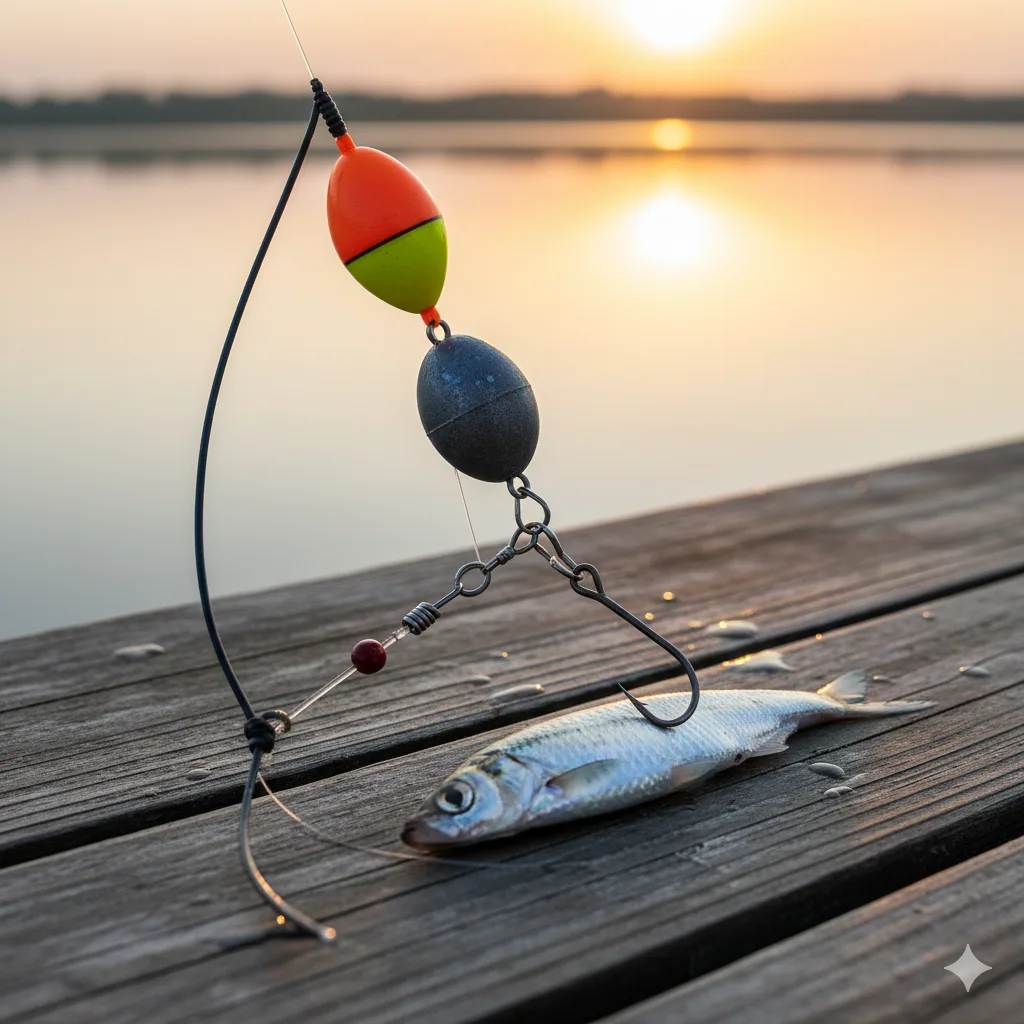
- Terminal Tackle: This includes hooks, weights (sinkers), and swivels. The right live bait hooks, like circle hooks, are designed to hook the fish in the corner of the mouth, ensuring a healthier release.
Why live bait fishing gear Matters: Key Benefits
Using specialized live bait fishing gear isn’t just about preference; it’s about tangible results. Studies and angler reports consistently show that live bait often outperforms artificial lures, especially for wary or less aggressive fish. The primary reason is authenticity—nothing mimics a distressed prey item better than the real thing. Proper gear enhances this natural advantage.
Unmatched Natural Presentation
The core benefit of dedicated live bait fishing gear is its ability to present bait naturally. A stiff, heavy rod will kill the action of a small shiner, making it look unnatural. A specialized live bait fishing rod with a sensitive tip allows the bait to swim freely, sending out natural vibrations and visual cues that trigger a predatory response. This subtle difference can be the deciding factor when targeting finicky species like trophy snook or walleye.
Increased Hook-Up Ratios
Properly matched live bait equipment directly translates to more landed fish. For instance, using a circle hook—a staple in modern live bait fishing tackle—with a rod that has the correct live bait rod action allows the hook to set itself as the fish turns and swims away. This eliminates the need for a forceful, lure-style hookset that can tear the hook out, resulting in a secure connection and significantly higher landing rates. The right live bait leader setup also prevents line-shy fish from detecting your rig, leading to more bites in the first place.
“The best live bait rig is one the fish never knows is there until it’s too late. Your gear should be an invisible extension of your bait, not an anchor holding it back.”
Complete Guide to live bait fishing gear – Step-by-Step
Assembling the perfect live bait fishing gear setup is a methodical process. By focusing on creating a balanced system where each component complements the others, you can build a highly effective rig for any situation. Follow these three essential steps to get started.
Step 1: Select Your Rod and Reel Combo
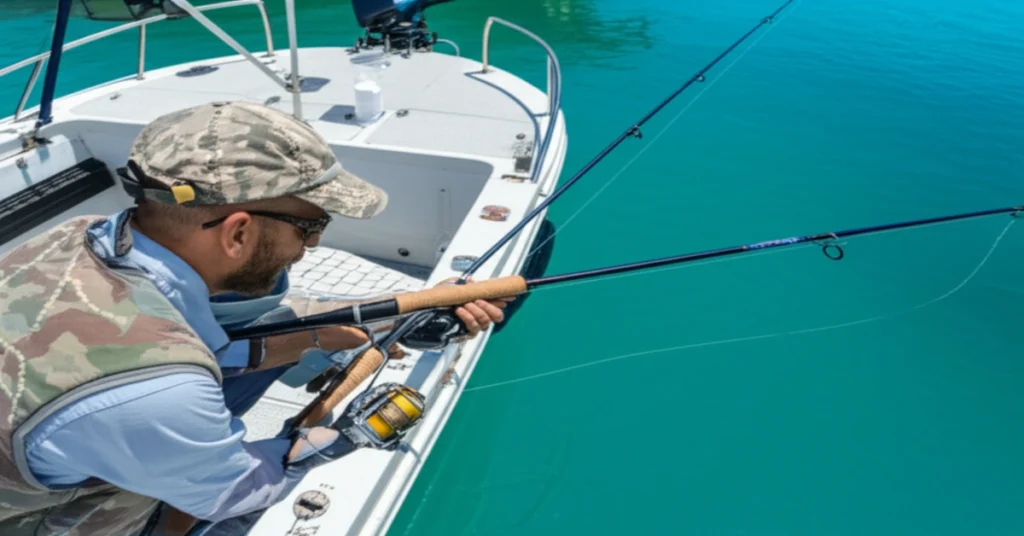
The rod and reel are the heart of your system. Your live bait reel selection should be based on your target species and environment. Spinning reels are versatile and great for casting lighter baits, while conventional reels offer more power and line capacity for larger gamefish. Look for reels with a smooth, reliable drag. For the live bait fishing rod, focus on the live bait rod action. A rod with a fast action has a sensitive tip that bends easily but a powerful lower section (backbone). This allows you to feel the bait and the bite while having the strength to control the fish.
- Specific action item: Choose a 7′ to 7’6″ medium-light power, fast action spinning rod for inshore fishing. Pair it with a 3000- or 4000-size spinning reel.
- Required tools or resources: Your budget, knowledge of your target species’ size, and a local tackle shop for advice.
- Expected outcome: A balanced combo that feels comfortable and is suited for presenting your chosen baits effectively.
Step 2: Spool Up with the Right Line and Leader
Your line is your connection to the fish, so this choice is crucial. The appropriate live bait line weight depends on the fish you’re targeting and the cover you’re fishing in. Braided line is popular for its strength and sensitivity, while monofilament offers stretch that can act as a shock absorber. A common and highly effective strategy is to use a braided mainline connected to a fluorocarbon leader. This live bait leader setup gives you the best of both worlds: braid’s sensitivity and fluorocarbon’s invisibility and abrasion resistance. Use a Double Uni Knot or an FG Knot to connect them.
Step 3: Assemble Your Terminal Tackle
The terminal end is where the action happens. This collection of live bait fishing tackle includes your hook, weight, and swivels. The choice of live bait hooks is paramount. Circle hooks are excellent for catch-and-release, as they typically hook the fish in the jaw. J-hooks require a manual hookset but can be effective for certain species. The size of the hook should be matched to the size of your bait—large enough for a solid hookup but small enough not to impede the bait’s natural swimming motion. Your live bait equipment should always include a variety of hook sizes.
Expert Tips & Best Practices for live bait fishing gear
Once your live bait fishing gear is assembled, applying best practices will significantly improve your performance. Small refinements in technique and maintenance can make a huge difference in your success rate on the water.
For Beginners:
- Match the Hatch: Use bait that is naturally found in the ecosystem you’re fishing. This is the most fundamental principle of live bait fishing.
- Keep Bait Fresh and Lively: Your bait is your advertisement. Use an aerated bait bucket or a livewell to ensure your bait is as active and appealing as possible when it hits the water.
- Check Your Knots: Before every trip, and even after landing a big fish, check all your knots, from the leader connection to the hook. A failed knot is the most common reason for losing a trophy fish.
For Advanced Users:
- Customize Your Leader Length: Don’t stick to one length for your live bait leader setup. In clear water with spooky fish, use a longer leader (4-6 feet). In heavy cover, a shorter, stronger leader (18-24 inches) provides more control.
- Fine-Tune Your Rod Action: An advanced angler understands how to match their live bait rod action to the bait’s fragility. For delicate baits like small shrimp, a rod with a softer tip prevents casting them off the hook. This level of detail in your live bait fishing gear is key.
5 Common live bait fishing gear Mistakes to Avoid
Even with the best intentions, anglers can make critical mistakes that sabotage their efforts. Avoiding these common pitfalls with your live bait fishing gear will dramatically increase your chances of success and reduce frustration.
Mistake #1: Using Incorrect Hook Size or Style
The Problem: A hook that is too large will kill your bait or make its swimming action look unnatural. A hook that is too small won’t have a large enough gap to securely hook the fish, resulting in pulled hooks and lost opportunities. Using the wrong style, like a heavy J-hook for a small bait, is also detrimental.
The Solution: Always match your live bait hooks to the bait’s size. A good rule of thumb is to choose a hook with a gap that is about 25% of the bait’s thickest part. Carry a variety of sizes and styles (circle, J-hook, kahle) in your live bait fishing tackle box.
Mistake #2: Mismatched Rod and Reel Balance
The Problem: Pairing a heavy offshore reel with a light inshore rod (or vice versa) creates an unbalanced and awkward setup. This leads to casting fatigue, poor casting accuracy, and reduced sensitivity, making it difficult to detect subtle bites.
The Solution: When making your live bait reel selection, bring your live bait fishing rod to the store. Mount the reel and check the balance point. A well-balanced combo should rest level on your finger just in front of the reel seat.
Mistake #3: Neglecting the Leader
The Problem: Tying your mainline directly to the hook, especially with high-visibility braided line, is a recipe for getting fewer bites. Fish, particularly in clear water, are easily spooked by visible lines.
The Solution: Always use a proper live bait leader setup. A fluorocarbon leader is nearly invisible underwater and provides crucial abrasion resistance against rocks, dock pilings, and a fish’s rough mouth.
Mistake #4: Choosing the Wrong Line Weight
The Problem: Using a live bait line weight that is too heavy will inhibit your casting distance and prevent light baits from swimming naturally. Line that is too light risks being broken off by a larger-than-expected fish.
The Solution: Match your live bait fishing line to your target species and the rod’s specifications. The recommended line weight range is usually printed on the rod itself. When in doubt, it’s better to be slightly over-gunned than under-gunned.
Mistake #5: Poor Bait Hooking Technique
The Problem: Hooking a baitfish through the spine or vital organs will kill it instantly, negating the entire purpose of using live bait. Improper hooking also leads to poor swimming action.
The Solution: Learn the proper hooking locations for different baits. For finfish, hooking through the nose, lips, or just behind the dorsal fin keeps them alive and active the longest.
Advanced live bait fishing gear Strategies for 2024/2025
As technology and techniques evolve, so do the strategies for using live bait fishing gear. For 2024 and beyond, anglers are leveraging advanced materials and methods to gain an edge, particularly when targeting pressured fish.
The Rise of the “Hybrid” Rig
This strategy involves combining live bait with an artificial attractant. For example, some anglers now use a drop-shot rig—a technique traditionally for soft plastics—with a live minnow or leech. This presents the bait in a very specific water column, keeping it just off the bottom and directly in the strike zone. This requires a highly sensitive live bait fishing rod and a fine-tuned live bait leader setup to detect the subtle takes.
Kite Fishing and Balloon Drifting
In saltwater, advanced techniques like kite fishing are becoming more accessible. This involves using a specially designed fishing kite to carry a live bait far from the boat, presenting it in a stealthy manner to surface-feeding predators like sailfish and tuna. Similarly, using a balloon to drift a bait with the wind allows anglers to cover vast flats for species like tarpon. This specialized live bait equipment pushes the boundaries of conventional presentation.
Essential Tools & Resources for live bait fishing gear
Beyond your rod and reel, several key pieces of live bait equipment can make your time on the water more efficient and successful. Having the right tools and resources at your disposal is a hallmark of a prepared angler.
Recommended Tools:
- Aerated Bait Bucket/Livewell: This is the single most important piece of support equipment. A high-quality aerator keeps oxygen levels high, ensuring your bait stays lively and potent for hours.
- Cast Net: For those who prefer to catch their own bait, a cast net is indispensable. Learning to throw a “pancake” is a skill that will save you money and provide you with the freshest possible bait.
- De-hooker/Pliers: A good pair of long-nosed pliers or a de-hooking tool is essential for safely removing live bait hooks. This protects both you and the fish, facilitating a quick and healthy release.
Additional Resources:
- Local Fishing Forums and Social Media Groups: These are invaluable for real-time information on what bait is working where. Anglers often share tips on bait locations and effective rigging techniques.
- Navionics and Fishfinder Apps: Modern marine apps can help you locate structures, channels, and drop-offs where baitfish congregate. Using technology to find bait is just as important as using it to find gamefish.
Frequently Asked Questions About live bait fishing gear
Q1: What’s the best all-around setup for a live bait fishing rod, live bait fishing reel, and live bait fishing line?
Answer: For a versatile, all-around setup suitable for many inshore and freshwater species, start with a 7-foot, medium-power, fast-action spinning live bait fishing rod. For your live bait reel selection, pair it with a 3000-size spinning reel. Spool it with 15-pound test braided live bait fishing line. This core system can be adapted with a variable live bait leader setup (15-30 lb fluorocarbon) and a good assortment of live bait hooks and other live bait fishing tackle. Understanding the ideal live bait rod action and live bait line weight for your primary target is key, but this combination is a fantastic starting point for any angler’s live bait equipment arsenal.
Q2: How do I keep my live bait alive longer on the hook?
Answer: The key is proper hooking and handling. Handle the bait as little as possible and always with wet hands to protect its slime coat. Hook the bait in a non-lethal area, such as through the upper lip or nostrils for minnows, or just under the shell for shrimp. Also, ensure your live bait fishing gear is light enough not to tire the bait out.
Q3: What is a “baitrunner” or “live liner” feature on a reel?
Answer: This is a secondary drag system on a spinning reel. It allows you to disengage the main drag with the flip of a switch, letting a fish take the bait under very light, adjustable tension. When you’re ready to set the hook, you simply turn the handle to engage the main drag and fight the fish. This is a very popular feature on a modern live bait fishing reel.
Q4: Should I use a weight with my live bait rig?
Answer: It depends on the depth and current. The goal is to use the least amount of weight possible to get the bait into the strike zone. In many shallow water situations, a “freelined” bait with no weight is the most effective presentation. In deeper water or current, you’ll need a sinker (like an egg or split shot) to keep the bait down. Having various weights is a crucial part of your live bait fishing tackle collection.
Conclusion: Master live bait fishing gear for Long-term Success
Success in live bait fishing is not an accident; it’s the result of a well-planned system. By understanding how each component of your live bait fishing gear works together, you can create a balanced, effective setup that maximizes your bait’s natural appeal and dramatically increases your hook-up ratio. From rod to hook, every choice matters.
As you move forward, continue to refine your setup based on your experiences. The perfect live bait fishing rod for one species might not be ideal for another, and the best live bait leader setup changes with water clarity. By continuously learning and adapting your live bait fishing reel, live bait fishing line, and terminal live bait fishing tackle, you will become a more versatile and consistently successful angler. The ultimate live bait equipment is the one you build with knowledge and confidence.
Related Articles You Might Find Helpful:
- Choosing the Right Live Bait Hooks and Leader Setup for Inshore Fishing
- A Guide to Monofilament vs. Braided Fishing Line
- Advanced Techniques: How to Use a Baitrunner Reel Effectively
What’s Your live bait fishing gear Experience?
Do you have a go-to live bait rod and reel combination? What’s the biggest fish you’ve caught using live bait? Share your favorite tips and success stories in the comments below!
Note: This guide reflects current best practices and is updated regularly to ensure accuracy. Last updated: October 17, 2023