Grub Tail Types: The Ultimate Angler’s Guide for 2024
Ever stared into a tackle box overflowing with soft plastics, wondering if the tail on your grub really makes a difference? You’re not alone. Many anglers overlook one of the most critical factors in lure presentation: the subtle yet powerful variations in grub tail types. This single element can be the deciding factor between a day of fruitless casting and the thrill of a bent rod. This guide is designed to demystify the world of soft plastic tails, transforming your confusion into confidence and your casts into catches.
We will dive deep into the specific designs that trigger predatory instincts in fish, from the classic curl to the aggressive thump of a paddle tail. Understanding these differences is fundamental to effective grub tail selection. By the end of this comprehensive guide, you’ll have the knowledge to match the perfect grub to any condition, elevating your grub tail fishing from a game of chance to a science of success.
Table of Contents
- What is grub tail types?
- Key Benefits and Importance
- Complete Step-by-Step Guide
- Expert Tips & Best Practices
- Common Mistakes to Avoid
- Advanced Strategies for 2024/2025
- Essential Tools & Resources
- Frequently Asked Questions
What is grub tail types?
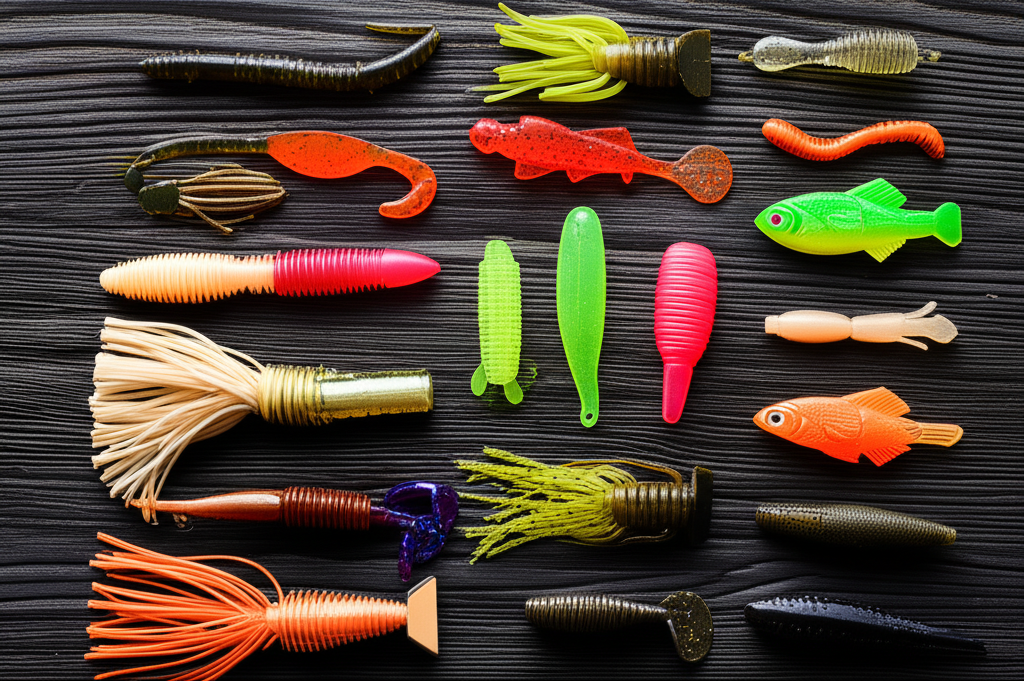
Grub tail types refer to the distinct shapes and designs of the tail section on a soft plastic grub lure. This design is the primary driver of the lure’s movement, or “action,” in the water. The variety of these designs allows anglers to present different vibrations, speeds, and visual profiles to fish.
Understanding the nuances between these designs is the cornerstone of a solid grub tail guide. The main categories include the ubiquitous curly tail grubs, the hard-thumping paddle tail grubs, and the subtle straight tail grubs. Each design imparts a unique grub tail action, directly influencing its effectiveness. Your grub tail choices should be a deliberate decision based on water conditions and target species, as this choice dramatically impacts overall grub tail performance and success in your grub tail fishing endeavors.
Key Components
- Tail Shape: The core design element (curl, paddle, split, straight) that dictates how the lure moves through the water and the vibration it creates.
- Tail Thickness: A thicker tail often requires more speed to activate and produces a slower, more deliberate action, whereas a thinner tail flutters with the slightest movement.
- Body Profile: The shape of the grub’s body (slim, ribbed, bulky) which complements the tail’s action and affects how it falls and how fish hold onto it.
- Material Composition: The softness and buoyancy of the plastic used, which affects the liveliness of the grub tail action and the lure’s durability.
Why grub tail types Matters: Key Benefits
Properly understanding and utilizing different grub tail types is one of the most significant advantages an angler can have. It allows for precise adaptation to changing environmental conditions and fish behavior, turning a good day of fishing into a great one. The right tail can trigger strikes from otherwise neutral or inactive fish.
Versatility Across Conditions
The most profound benefit of mastering various grub tail types is unparalleled versatility. For example, on a calm, clear day when fish are finicky, a finesse straight tail grub on a drop shot rig offers a subtle, non-threatening presentation. Conversely, in murky, stained water, the strong vibration and wide thump of paddle tail grubs can call fish in from a distance, appealing to their lateral line sense when visibility is low. This ability to adapt your approach is crucial for consistent success.
Mimicking Natural Forage
Different grub tail types excel at imitating specific types of baitfish or invertebrates. The gentle, waving motion of curly tail grubs perfectly mimics the swimming action of a small minnow or leech. The erratic darting of a split-tail grub can imitate a fleeing crawfish or shrimp. This precise imitation, often referred to as “matching the hatch,” is fundamental to fooling wary, pressured fish. An expert grub tail selection can be the difference between a lure that is ignored and one that is inhaled.
“The secret isn’t just having the right color; it’s having the right ‘language.’ The tail of your grub is how it speaks to the fish, and you need to be fluent in every dialect—from a whisper to a shout.”
Complete Guide to grub tail types – Step-by-Step
Making the right grub tail choices is a systematic process, not guesswork. This step-by-step grub tail guide will walk you through the decision-making framework used by professional anglers to maximize their catch rate. Following these steps will improve your grub tail performance significantly.
Step 1: Analyze the Water and Weather
Your first consideration should always be the environment. Water conditions dictate how fish feed and how your lure will be perceived. Take a moment at the water’s edge to assess these key factors before you even tie on a lure.
- Water Clarity: In clear water, opt for natural colors and subtle actions like those from straight tail grubs. In stained or muddy water, use brighter colors and high-vibration tails like paddle tail grubs.
- Water Temperature: In cold water (below 55°F), fish are lethargic. A slow-moving, subtle curly tail or straight tail is best. In warm water, fish are more aggressive and will readily chase a fast-moving lure with a hard-thumping paddle tail.
- Current: In heavy current, a streamlined grub with a tight action will perform better. A large, sweeping tail might get pushed around unnaturally.
Step 2: Identify Your Target Species
Different fish have different feeding preferences. Tailoring your grub tail selection to your target is crucial. A lure that is irresistible to a largemouth bass might be ignored by a walleye.
For example, crappie often prefer the subtle, slow-falling flutter of small curly tail grubs or split tails. Aggressive predators like largemouth bass or pike are often triggered by the powerful thump and water displacement of paddle tail grubs rigged as a trailer on a chatterbait or spinnerbait. Walleye and smallmouth bass frequently respond well to the versatile action of a classic twister tail grub bounced along the bottom.
Step 3: Select and Rig the Appropriate Grub Tail
With your analysis complete, it’s time to make a selection. This is where your knowledge of grub tail types comes into play. Match the tail action to the conditions and the target species you’ve identified.
Start with the basics: curly tail grubs are the ultimate all-rounders, effective in most situations. Use paddle tail grubs when you need to create a disturbance and call fish in. Choose straight tail grubs for finesse situations, such as drop-shotting in deep, clear water for suspended fish. Rig your chosen grub on an appropriate jig head, ensuring the body is straight for the most natural grub tail action.
Expert Tips & Best Practices for grub tail types
Moving beyond the basics requires an understanding of the subtle refinements that can turn a slow day around. Adhering to these best practices and expert grub tail tips will help you get the most out of your soft plastics and optimize your grub tail fishing experience.
For Beginners:
- Start with the Classic: When in doubt, start with a 3-inch curly tail grub in a natural color like green pumpkin or white. It’s the most versatile of all grub tail types and catches nearly every species of fish.
- Vary Your Retrieve Speed: The number one mistake beginners make is reeling at a constant speed. Experiment constantly. Slow it down, speed it up, and twitch the rod tip to see what triggers a strike. The right speed is what activates the perfect grub tail action.
- Add Scent: Fish use smell as much as sight. Applying a scent attractant can make fish hold on to the bait longer, giving you more time to set the hook, especially in murky water or when fish are tentative.
For Advanced Users:
- Customize Your Tails: Don’t be afraid to modify your grubs. Trimming a paddle tail to make it thinner can give it a faster, more frantic action. Splitting a straight tail with a razor can create a unique micro-action for highly pressured fish.
- Match Jig Head to Action: The shape and weight of your jig head dramatically affect grub tail performance. A lighter head allows for a slower fall and more natural action. A darter-style head can impart an erratic gliding motion on the fall, complementing a straight tail grub perfectly.
5 Common grub tail types Mistakes to Avoid
Even experienced anglers can fall into bad habits. Understanding and avoiding these common mistakes related to grub tail types will ensure your lure is always presented in the most effective way possible, leading to more consistent catches.
Mistake #1: Using the Wrong Action for the Water Temperature
The Problem: Fish metabolism slows down significantly in cold water. Using a high-action, fast-moving paddle tail grub when the water is frigid is unnatural and often spooks lethargic fish looking for an easy meal.
The Solution: In water below 55°F, switch to subtle grub tail types. A thin curly tail that flutters on a slow retrieve or a straight tail grub that quivers with minimal movement is a much more effective choice.
Mistake #2: Overpowering the Tail with a Heavy Jig Head
The Problem: Many grubs, especially smaller or thinner ones, have a delicate action. Using a jig head that is too heavy will cause the lure to plummet to the bottom, killing the subtle tail movement on the fall.
The Solution: Use the lightest jig head you can get away with for the depth and current. This maximizes the fall time and allows the tail to swim and flutter naturally, which is when most strikes occur.
Mistake #3: Sticking to a Single Grub Tail Type All Day
The Problem: Conditions on the water change throughout the day. The grub that worked in the morning shade might not be the best choice in the afternoon sun. Sticking to one lure out of habit is a recipe for missed opportunities.
The Solution: Be willing to experiment. If you aren’t getting bites, make a change. Switch from a curly tail to a paddle tail to create more commotion, or downsize to a straight tail for a more finesse approach. Constant adjustment is key to success.
Mistake #4: A Constant, Monotonous Retrieve
The Problem: Simply casting out and reeling in at a steady pace rarely imitates natural prey, which often moves erratically. A robot-like retrieve can make even the best lure look fake.
The Solution: Impart action with your rod. Use pauses, twitches, and sweeps of the rod tip to make the grub dart, fall, and jump. A stop-and-go retrieve is often far more effective at triggering strikes.
Mistake #5: Ignoring the Importance of a Straight Rigging
The Problem: If the grub is bunched up or crooked on the hook, it will spin and helicopter through the water unnaturally. This not only looks fake to fish but also causes severe line twist.
The Solution: Take your time when rigging. Thread the grub perfectly straight onto the jig head or hook shank. The lure should hang straight and swim true without spinning when you pull it through the water.
Advanced grub tail types Strategies for 2024/2025
As fishing pressure increases, staying ahead of the curve with modern techniques is essential. These advanced strategies for utilizing different grub tail types are gaining popularity among tournament anglers and can provide a significant edge on your local waters.
The Rise of Finesse Forward-Facing Sonar Techniques
With the advent of live, forward-facing sonar, anglers can now watch fish react to lures in real time. This has led to a surge in popularity for subtle presentations. Straight tail grubs are perfect for this application. Rigged on a light jig head (a technique sometimes called the “Damiki rig” or “moping”), the lure can be held perfectly still in front of a suspended fish. The slightest quiver of the rod tip makes the thin tail twitch irresistibly, turning lookers into biters.
Pairing Paddle Tails with Vibrating Jigs
An innovative approach to maximizing vibration is to use paddle tail grubs as trailers on vibrating jigs (or “chatterbaits”). The combination is explosive. The blade of the jig provides a high-frequency vibration, while the paddle tail adds a slower, rhythmic thump. This dual-vibration profile is something fish rarely encounter and can trigger incredibly aggressive reaction strikes, especially in stained water or around heavy cover. The key is to match the trailer size to the jig to avoid impeding the blade’s action.
Essential Tools & Resources for grub tail types
Having the right gear and knowledge sources can significantly enhance your grub tail fishing. The proper tools ensure your lure performs as designed, while quality resources accelerate your learning curve.
Recommended Tools:
- Variety of Jig Heads: Don’t just use standard round heads. Invest in football heads for dragging on rocky bottoms, darter heads for a gliding action, and underspin heads to add flash and vibration.
- Sensitive Graphite Rod: A medium-light to medium power rod with a fast action tip is ideal. It allows you to feel subtle bites and the vibration of your grub’s tail, ensuring you know it’s working correctly.
- Fluorocarbon Leader Line: When fishing in clear water, tying a 2-3 foot fluorocarbon leader to your main line is critical. It’s nearly invisible underwater and helps you get more bites from wary fish.
Additional Resources:
- YouTube Fishing Channels: Visual learning is powerful. Channels dedicated to bass, walleye, or crappie fishing often have detailed videos demonstrating how to rig and fish various grub tail types.
- Online Fishing Forums: Websites like BassResource or local fishing community forums are goldmines of information where you can ask specific questions and learn from the experiences of other anglers.
Frequently Asked Questions About grub tail types
Q1: When should my grub tail selection favor curly tail grubs over paddle tail grubs?
Answer: Your grub tail selection should be based on fish activity and water clarity. Curly tail grubs are more versatile and excel in clearer water or when fish are neutral to negative, as their subtle, flowing grub tail action is less intimidating. Paddle tail grubs are the better choice in stained or murky water, or when fish are aggressive. Their powerful thump creates more vibration, helping fish locate the lure by feel. In essence, use a curly tail for a finesse approach and a paddle tail for a power approach. This is one of the most important grub tail tips to remember.
Q2: How does water clarity affect my grub tail choices?
Answer: Water clarity is a huge factor in all grub tail choices. In ultra-clear water, fish rely heavily on sight, so a realistic, subtle presentation is key. This is where straight tail grubs on a drop shot or a small, natural-colored curly tail shine. As the water gets more stained, fish rely more on their lateral line to detect vibration. This is when you should increase the action and profile of your lure, making paddle tail grubs or larger curly tail grubs a much better option.
Q3: What’s the best retrieve to maximize grub tail action?
Answer: There’s no single “best” retrieve, but the most effective ones are rarely a simple, steady crank. For most grub tail types, a “yo-yo” retrieve is highly effective: lift your rod tip from the 9 o’clock to the 11 o’clock position, then let the grub fall on a semi-slack line while you reel in the slack. Most strikes occur on the fall. For paddle tail grubs, a slow, steady retrieve that keeps the tail thumping is often best. Experimenting with pauses and twitches is crucial to maximizing grub tail performance.
Q4: I’m new to grub tail fishing. What is the most basic setup to get started?
Answer: For someone new to grub tail fishing, the perfect starting point is a 3-inch white or chartreuse curly tail grub. Rig it on a 1/8 oz or 1/4 oz round jig head. This simple, inexpensive, and incredibly effective combo will catch a wide variety of fish in almost any body of water. It allows you to learn the feel of the lure and build confidence before branching out into more specialized grub tail types.
Conclusion: Master grub tail types for Long-term Success
The world of grub tail types is far more complex and influential than many anglers realize. By moving beyond random selection and embracing a methodical approach, you can dramatically increase your effectiveness on the water. Understanding the distinct personalities of curly, paddle, and straight tails is the key to unlocking consistent results.
As lure technology evolves, the fundamental principles of matching action to conditions will remain timeless. Continue to experiment with your grub tail choices, pay close attention to the feedback the fish give you, and use this grub tail guide as your foundation. Mastering these nuances will not only improve your grub tail performance but will make you a more complete and successful angler for years to come.
Related Articles You Might Find Helpful:
- A Complete Guide to Jig Head Selection for Optimal Grub Tail Action
- Color Theory: How to Choose the Right Soft Plastic Color
- Advanced Finesse Tactics: Mastering the Drop Shot and Ned Rig
What’s Your grub tail types Experience?
Do you have a go-to grub tail for tough conditions? Share your favorite grub and why it works for you in the comments below!
Note: This guide reflects current best practices and is updated regularly to ensure accuracy. Last updated: October 17, 2023