Master Grub Rigging Methods: Your Ultimate 2024 Guide
Ever stared at that simple plastic grub in your tackle box and wondered why it isn’t landing the big one? You’re not alone. The soft plastic grub is one of the most versatile and effective lures ever created, yet its true potential is often locked away behind improper presentation. This comprehensive guide is designed to give you the key by diving deep into the essential grub rigging methods that turn a simple piece of plastic into a fish-catching magnet. We will explore everything from fundamental concepts to advanced strategies, ensuring you know precisely how to present your grub for maximum effect, regardless of the conditions or the species you’re targeting.
Consider this your definitive playbook for lure presentation. We’ll move beyond just hooking a grub and delve into the science and art of creating irresistible action. By mastering these core principles, you’ll gain the confidence to adapt on the water, transforming frustrating days into productive ones. This article breaks down various grub rig setups and provides actionable grub rigging tips to elevate your angling skills immediately.
Table of Contents
- What is grub rigging methods?
- Key Benefits and Importance
- Complete Step-by-Step Guide
- Expert Tips & Best Practices
- Common Mistakes to Avoid
- Advanced Strategies for 2024/2025
- Essential Tools & Resources
- Frequently Asked Questions
What is grub rigging methods?
In essence, grub rigging methods refer to the various techniques used to attach a soft plastic grub to a hook and weight system. The goal is to create a lure presentation that mimics natural prey, such as baitfish or insects, thereby enticing predatory fish to strike. This goes far beyond simply piercing the plastic; it’s a calculated approach to optimizing lure action, depth control, and weedless capabilities.
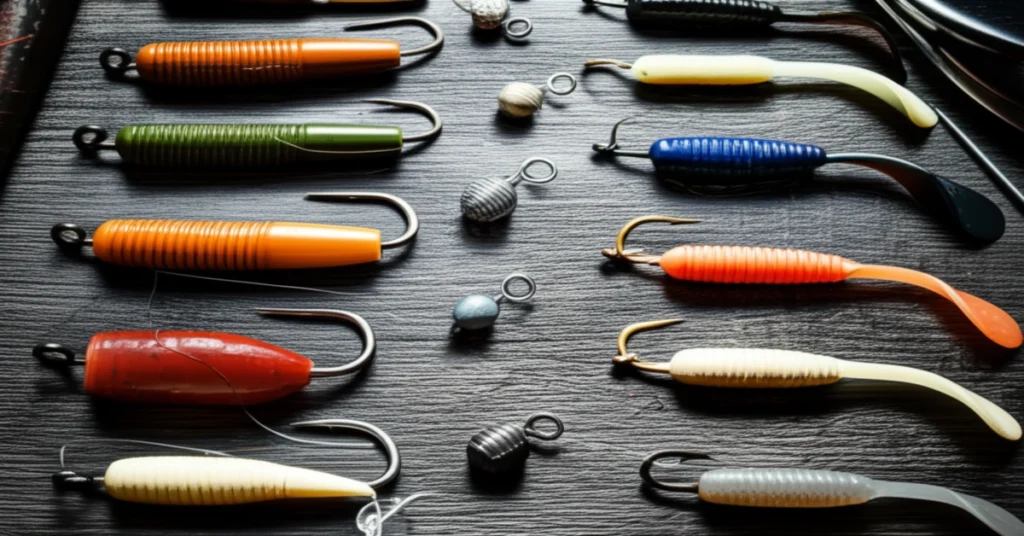
A complete understanding of this concept involves a variety of components and decisions. Effective grub rigging techniques require selecting the right grub hooks for the situation, pairing them with appropriate grub weights, and sometimes utilizing specific grub leaders to enhance stealth and durability. This grub rigging guide will show you that the way you assemble your grub tackle is just as important as the lure itself. Mastering these grub rigging basics is foundational to becoming a more successful and versatile angler.
Key Components
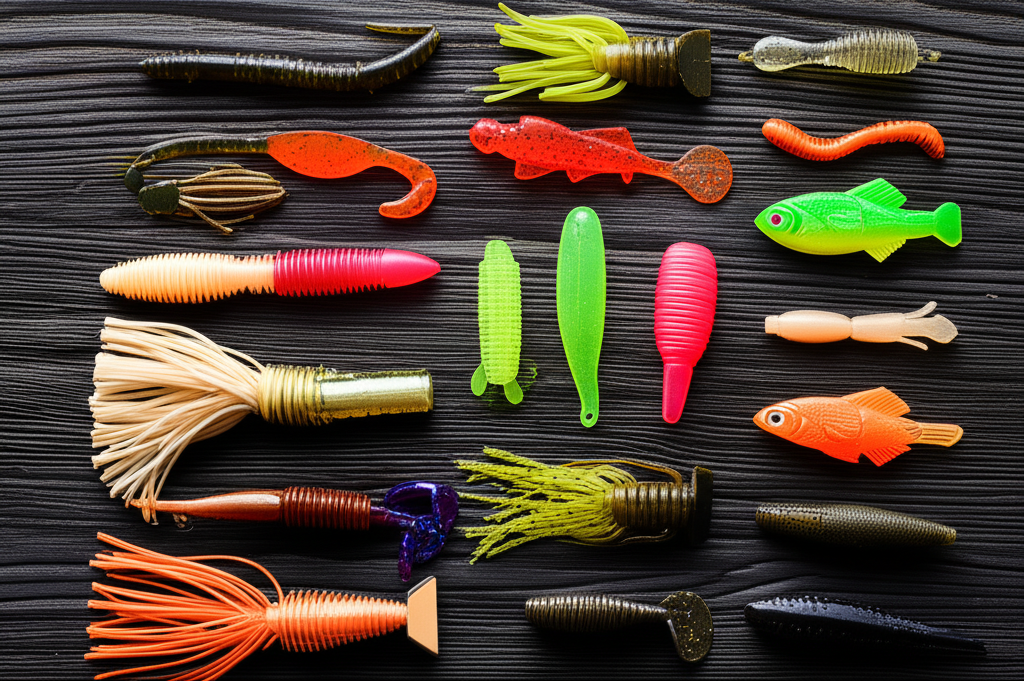
- The Grub: The soft plastic lure, typically featuring a ribbed body and a curly tail that produces a captivating swimming action. Its effectiveness is unlocked by the rigging method.
- The Hook/Jig Head: The core of all grub rig setups. This can be a simple jig head with an exposed hook or a specialized offset hook for a weedless presentation. The choice of grub hooks dictates the application.
- The Weight System: This component, often integrated into a jig head, controls the lure’s sink rate and depth. Choosing the correct grub weights is critical for presenting the lure in the strike zone.
- The Leader: A section of line, often fluorocarbon or monofilament, connecting the main line to the lure. Proper grub leaders provide abrasion resistance and can make the presentation nearly invisible to fish.
Why grub rigging methods Matters: Key Benefits
Understanding and applying various grub rigging methods is not just a minor detail; it’s a core skill that directly translates to more fish in the boat. A properly rigged grub presents a natural, enticing profile that fish find hard to resist, while a poorly rigged one can spin, look unnatural, and be completely ignored. The right method ensures your lure behaves exactly as intended, whether you’re hopping it along the bottom or swimming it through the water column.
Unmatched Versatility
The primary benefit of mastering different grub rig setups is versatility. With a single bag of grubs, you can target fish in vastly different scenarios. A grub on a light jig head can be skipped under docks for crappie, while the same grub on a heavy, weedless Texas rig can be punched through thick vegetation for largemouth bass. This adaptability means you can effectively fish any part of the water column, from top to bottom, by simply changing your rigging.
Enhanced Lifelike Action
The ultimate goal of any lure is to mimic live prey, and specific grub rigging techniques are designed to maximize this illusion. A grub rigged perfectly straight on a jig head will have an unimpeded, pulsating tail action on the retrieve. A Texas-rigged grub will slither through cover without snagging, mimicking a creature trying to hide. These subtle actions are often the trigger that convinces a hesitant fish to commit. Poor rigging stifles this action, rendering the lure lifeless.
“The secret to consistent success with soft plastics isn’t the lure itself, but the presentation. Mastering grub rigging methods gives an angler a complete toolbox of presentations for any condition.”
Complete Guide to grub rigging methods – Step-by-Step
While there are dozens of ways to rig a grub, we’ll start with the two most essential grub rigging methods every angler must know: the Classic Jig Head and the Weedless Texas Rig. These two approaches cover over 90% of fishing situations and form the foundation of your skills. Mastering them is a key part of understanding grub rigging basics.
Step 1: The Classic Jig Head Rig
This is the most common and often most effective method for open-water scenarios. It provides maximum tail action and a solid hookup ratio. The process is a fundamental part of any good grub rigging guide.
- Select Your Tackle: Choose a jig head with a weight appropriate for the depth and current. A 1/8 oz or 1/4 oz is a great starting point. Match the hook size to your grub; the hook point should exit about one-third of the way down the grub’s body.
- Rigging the Grub: Insert the hook point directly into the center of the grub’s flat nose. Thread the grub up the hook shank, pushing it forward until it reaches the collar of the jig head.
- Ensure it’s Straight: This is the most critical part. The grub’s body must be perfectly straight along the hook shank. Any bunching or curving will cause it to spin unnaturally in the water, repelling fish.
Step 2: The Weedless Texas Rig
When fishing around cover like weeds, wood, or rocks, the Texas rig is your go-to method. This is one of the most important grub rigging techniques for avoiding snags.
Start by sliding a bullet-shaped sinker (one of the essential grub weights) onto your line, followed by tying on a wide-gap or offset worm hook. Insert the hook point about 1/4 inch into the nose of the grub and bring it out the bottom. Slide the grub up the hook shank to the eye, then rotate the hook 180 degrees. Finally, re-insert the hook point back into the grub’s body, ensuring the point is just under the surface of the plastic. This shields the hook from snags but allows it to pop out on a fish’s bite.
Step 3: The Carolina Rig Setup
For targeting fish on deep, flat bottoms, the Carolina rig is an excellent choice. This grub rig setup separates the weight from the lure, allowing for a more natural, floating presentation.
To create it, slide a heavy egg or bullet sinker onto your main line, followed by a plastic bead (to protect the knot). Tie on a barrel swivel. On the other end of the swivel, attach a 12 to 36-inch section of your chosen grub leaders material. Finally, tie your hook to the end of the leader and rig your grub Texas-style (weedless). This method keeps your grub hovering just above the bottom as you drag the weight along.
Expert Tips & Best Practices for grub rigging methods
Following best practices can elevate your success rate significantly. These simple yet powerful grub rigging tips will help you get more bites by refining your presentation and approach. Consistent application of these grub rigging methods is what separates good anglers from great ones.
For Beginners:
- Start with the Basics: Don’t get overwhelmed. Master the classic jig head rig first. It’s the most versatile and will teach you the importance of a straight presentation. This is the cornerstone of grub rigging basics.
- Use the ‘Measure Once’ Trick: Before inserting the hook, lay it alongside the grub to see where the point should exit. This visual guide helps you achieve a perfectly straight rig every time.
- Go Light on Weight: When in doubt, use lighter grub weights. A slower, more natural fall often triggers more strikes than a heavy, plummeting lure. This is a crucial tip for all grub rig setups.
For Advanced Users:
- The Super Glue Advantage: For aggressive fish or when casting hard, a small drop of super glue on the jig head collar before sliding the grub up will lock it in place. This prevents the grub from sliding down the hook, ensuring a perfect presentation cast after cast.
- Tail Customization for Finesse: Don’t be afraid to modify your grubs. In cold water or for finicky fish, splitting the curly tail down the middle can create a more subtle, fluttering action. This is an advanced grub rigging technique that can make a huge difference.
5 Common grub rigging methods Mistakes to Avoid
Avoiding common pitfalls is just as important as knowing what to do. Many anglers unknowingly sabotage their efforts with simple errors in their grub rigging methods. Steering clear of these will dramatically improve your catch rate.
Mistake #1: Using the Wrong Size Grub Hooks
The Problem: A hook that is too small won’t have a large enough gap for a solid hookset, resulting in missed fish. A hook that is too large will kill the grub’s action and can look unnatural.
The Solution: Follow the “gap rule.” The distance from the hook shank to the point (the gap) should be at least twice the thickness of the grub’s body. Choose your grub hooks to match your specific grub size.
Mistake #2: A Bunched or Crooked Grub
The Problem: This is the most common error. A grub that isn’t perfectly straight on the hook shank will spin like a propeller during the retrieve. This unnatural movement spooks fish and twists your line.
The Solution: Take your time. If it’s not straight on the first try, pull it off and re-rig it. A straight grub is non-negotiable for effective grub rigging techniques.
Mistake #3: Neglecting Your Grub Leaders
The Problem: Tying a grub directly to heavy braided line in clear water can be highly visible to fish. Braid also has no stretch, which can sometimes lead to pulled hooks on a strong headshake.
The Solution: Always use appropriate grub leaders, especially in clear water. A 2-3 foot section of fluorocarbon leader is nearly invisible underwater and provides a shock-absorbing buffer. This simple addition to your grub tackle setup is a game-changer.
Mistake #4: Overpowering with Grub Weights
The Problem: Using excessively heavy grub weights makes the lure plummet unnaturally and can bury it in soft bottoms or snags. It kills the subtle, fluttering fall that often triggers bites.
The Solution: Use the lightest weight possible that still allows you to maintain contact with the bottom and cast effectively. Lighter grub tackle often leads to more success.
Mistake #5: One-Dimensional Retrieval
The Problem: Many anglers cast out and use the same steady retrieve all day. Fish are moody, and their preference for retrieve speed and action can change by the hour.
The Solution: Experiment constantly. Try a slow, bottom-dragging retrieve. Mix in sharp hops and long pauses. Swim it steadily through the middle of the water column. The best grub rigging methods are useless without a retrieve that matches the fish’s mood.
Advanced grub rigging methods Strategies for 2024/2025
As fishing pressure increases and technology evolves, so do the techniques. These advanced grub rigging methods are on the cutting edge for 2024 and 2025, giving you an advantage over highly pressured fish. They demonstrate the incredible adaptability of the simple grub.
The Dropshot Grub
The dropshot rig is a finesse technique designed to present a lure horizontally at a specific depth, which is deadly for suspended or finicky fish. While typically used with worm-style baits, a small 2-3 inch grub is a fantastic alternative. Hook the grub through the nose with a specialized dropshot hook tied 12-24 inches above a dropshot weight. The subtle quiver of the rod will make the grub’s tail dance in place, an action that neutral fish cannot resist. This is a specialized grub rig setup that excels in deep, clear water.
The ‘Ned Rig’ Grub Modification
The Ned rig has taken the fishing world by storm due to its subtle, stand-up presentation. You can adapt this for a grub by using a mushroom-style Ned rig jig head. To enhance the action, bite or cut off the first 1/2 inch of the grub’s head to create a flat surface. This allows it to butt up perfectly against the flat jig head, creating a seamless and compact profile. This is one of the more modern grub rigging techniques that presents a small, non-threatening meal.
Essential Tools & Resources for grub rigging methods
Having the right gear makes all grub rigging methods easier and more effective. You don’t need a massive arsenal, but a few key pieces of grub tackle will cover nearly every situation you’ll encounter. This is your core toolkit.
Recommended Tools:
- Assorted Jig Heads: A selection of round or darter-style jig heads from 1/16 oz to 3/8 oz. This range of grub weights will allow you to fish from shallow to deep water.
- Offset Worm Hooks: Size 1/0 to 3/0 EWG (Extra Wide Gap) hooks are essential for Texas and Carolina rigging. These are the most important grub hooks for weedless presentations.
- Fluorocarbon Leader Spool: A 20-yard spool of 6lb, 8lb, and 10lb fluorocarbon. This will allow you to build effective grub leaders for any clarity of water.
Additional Resources:
- A Good Knot Guide: Mastering two knots—the Palomar knot for tying lures and the Double-Uni knot for connecting leader to mainline—is essential. Many apps and websites offer animated guides.
- Local Fishing Forums: A fantastic resource for learning what grub colors and grub rig setups are currently working in your specific body of water.
Frequently Asked Questions About grub rigging methods
Q1: What are the most effective grub rig setups and grub rigging techniques for bass fishing?
Answer: For bass, the three most effective grub rig setups are the classic jig head, the Texas rig, and the Carolina rig. The jig head excels in open water and for smallmouth. The Texas rig is king for fishing in heavy cover like weeds and wood. The Carolina rig is a premier technique for targeting bass on deep, offshore structures. The best grub rigging techniques involve matching these rigs to the specific environment you’re fishing.
Q2: How do I choose the right grub color?
Answer: A great rule of thumb is the “match the hatch” principle combined with water clarity. In clear water, opt for natural colors like green pumpkin, watermelon, and smoke. In stained or muddy water, brighter colors like chartreuse, white, or black can create a more visible silhouette for fish to target.
Q3: What’s the main difference between using a jig head and a Texas rig?
Answer: The primary difference is the hook exposure. A jig head uses an exposed hook, which offers a fantastic hookup ratio but is prone to snagging in cover. A Texas rig conceals the hook point within the plastic, making it weedless and perfect for fishing through vegetation and structure, though it requires a slightly harder hookset. Your choice between these grub rigging methods depends entirely on the presence of snags.
Q4: As a complete beginner, what are the absolute grub rigging basics I need to know?
Answer: The most crucial of all grub rigging basics is to rig the grub perfectly straight on the hook. Start with a 1/4 oz round jig head and a 3-inch curly tail grub. Practice threading it on until it lies perfectly flat and straight. Master this one skill, and you will be ahead of half the anglers on the water. This foundational step is the core of every effective grub rigging method.
Conclusion: Master grub rigging methods for Long-term Success
The soft plastic grub is far more than just a beginner’s lure; it is a sophisticated tool that, when wielded correctly, can out-fish almost anything else in your tackle box. The key lies in mastering the versatile grub rigging methods we’ve covered. From the simplicity of a jig head to the snag-proof design of a Texas rig, each method is a solution to a specific angling puzzle.
As you move forward, continue to experiment and refine your approach. Pay close attention to how small changes in your grub rig setups and grub rigging techniques affect your results. The principles in this grub rigging guide—understanding grub hooks, grub weights, and grub leaders—are timeless. By committing these grub rigging methods to memory and practice, you are not just learning a new technique; you are investing in a foundational skill that will pay dividends for your entire fishing career.
Related Articles You Might Find Helpful:
- A Complete Guide to Advanced Grub Rig Setups
- How to Choose the Perfect Grub Tackle for Any Species
- Top 10 Grub Rigging Tips from Professional Anglers
What’s Your grub rigging methods Experience?
What’s your go-to grub rigging method? Do you have a favorite tip or a success story you’d like to share? Drop a comment below—we’d love to hear from our community of dedicated anglers!
Note: This guide reflects current best practices and is updated regularly to ensure accuracy. Last updated: October 17, 2023