Grub Fishing Beginners: Your Ultimate 2024 Guide
Ever stared at a wall of fishing lures, feeling completely overwhelmed? You’re not alone. The sheer variety can intimidate even seasoned anglers, but one simple, time-tested lure consistently outperforms the rest: the grub. This guide is designed specifically for grub fishing beginners, providing a clear roadmap from your first cast to your first catch. We will demystify the process, breaking down everything you need to know about this incredibly effective technique. By the end, you’ll have the confidence and skills to fish a grub like a pro.
Forget complicated rigs and expensive gear. The beauty of grub fishing lies in its simplicity and effectiveness. Whether you’re targeting bass in a local pond, walleye in a river, or panfish from a dock, the grub is a versatile tool that mimics a wide range of bait. This comprehensive tutorial will cover the essential gear, step-by-step rigging instructions, proven retrieval techniques, and common mistakes to avoid, ensuring your grub fishing start is a successful one.
Table of Contents
- What is grub fishing beginners?
- Key Benefits and Importance
- Complete Step-by-Step Guide
- Expert Tips & Best Practices
- Common Mistakes to Avoid
- Advanced Strategies for 2024/2025
- Essential Tools & Resources
- Frequently Asked Questions
What is grub fishing beginners?
At its core, grub fishing is a technique that uses a soft plastic lure—the “grub”—paired with a weighted hook, typically a jig head, to attract fish. This combination is cast out and retrieved in various ways to mimic the movement of small baitfish, insects, or other prey.
For grub fishing beginners, this method is the perfect entry point into the world of artificial lures. Its simplicity makes for an excellent grub fishing introduction, stripping away complexity while maximizing results. Understanding the grub fishing basics involves learning about the lure’s action, the jig head’s role, and the retrieve’s rhythm. This grub fishing guide for beginners will show you how to fish grubs effectively, making the process of learning grub fishing both enjoyable and productive. The core grub fishing fundamentals are easy to grasp, making this an ideal technique for your first cast.
Key Components
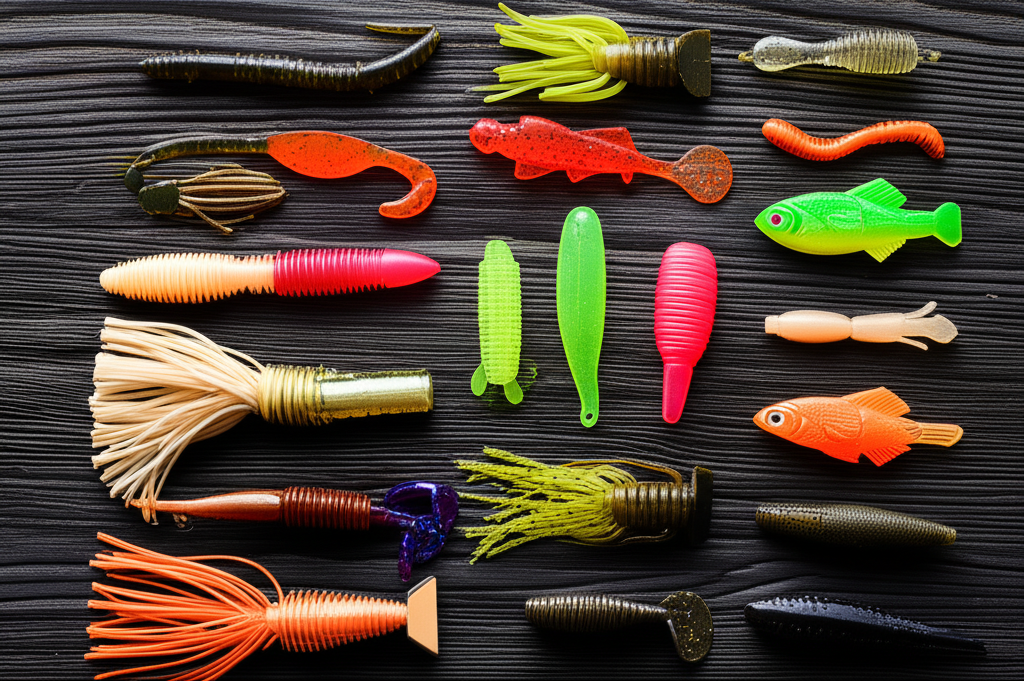
- The Soft Plastic Grub: A small, pliable lure, often with a curly or flat tail that wiggles and vibrates during retrieval to attract fish. Its benefit is lifelike action on any retrieve speed.
- The Jig Head: This is a hook with a weight, usually lead or tungsten, molded near the eye. The jig head provides the weight for casting and gets the grub to the desired depth. For example, a 1/8 oz jig head is perfect for shallow water bass.
- Rod, Reel, and Line: A light to medium-power spinning rod with a matching reel spooled with 6-10 lb test line is the ideal setup. This application ensures you can feel subtle bites and cast the lightweight lure effectively.
- The Retrieve: This is the technique of reeling the grub back in. The insight here is that the speed and action of your retrieve are what bring the lure to life and trigger strikes from predatory fish. A slow, steady retrieve is often the best starting point.
Why grub fishing beginners Matters: Key Benefits
Understanding and mastering the art of grub fishing offers significant advantages, especially for those new to angling. It’s not just another technique; it’s a foundational skill that teaches lure control, bite detection, and an understanding of fish behavior. Many professional anglers today credit the simple grub for their initial success and continued catches.
Unmatched Versatility
One of the primary benefits of this technique for grub fishing beginners is its incredible versatility. A single grub can imitate a minnow, a leech, a crawfish, or an insect. This means you can target a vast array of species in different bodies of water—from largemouth and smallmouth bass in lakes to crappie in reservoirs and walleye in rivers—often with the same simple setup. For example, a 3-inch white curly tail grub is a universal fish-catcher that works almost anywhere.
Extreme Affordability and Accessibility
Fishing can be an expensive hobby, but grub fishing is refreshingly budget-friendly. A pack of 10-20 high-quality grubs often costs just a few dollars, and jig heads are similarly inexpensive. This low barrier to entry makes easy grub fishing a reality for everyone. You don’t need a top-of-the-line rod or a high-tech reel; a basic spinning combo is more than enough to get started and be successful, proving that effective fishing doesn’t have to break the bank.
\”The curly tail grub is arguably the most important artificial lure ever designed. It teaches you everything you need to know about retrieve speed and feeling the bite. If you can catch a fish on a grub, you can catch a fish on anything.\”
Complete Guide to grub fishing beginners – Step-by-Step
Following a structured process is the fastest way for grub fishing beginners to find success. This step-by-step grub fishing tutorial breaks down the entire process from setup to a successful retrieve, ensuring you have a solid foundation.
Step 1: Selecting the Right Gear
Your equipment is your connection to the fish, so choosing the right tools is paramount. You don’t need the most expensive gear, but you do need the right type of gear for this finesse technique.
- Specific action item: Choose a 6’6\” to 7′ light or medium-light power spinning rod with a fast action tip. This provides the sensitivity to feel subtle bites and the backbone to set the hook.
- Required tools or resources: Pair the rod with a 2000 or 2500-size spinning reel. Spool it with 6-pound fluorocarbon or 8-pound monofilament line. Select a variety of 1/16 oz, 1/8 oz, and 1/4 oz jig heads and 3-inch curly tail grubs in natural colors like white, chartreuse, and pumpkinseed.
- Expected outcome: You will have a balanced setup that allows you to cast lightweight grubs effectively and detect even the slightest taps from a fish.
Step 2: Rigging the Grub Perfectly
How you put the grub on the jig head is critical. A poorly rigged grub will spin unnaturally in the water and deter fish. The goal is for the grub to sit perfectly straight on the hook shank, allowing the tail to move freely and attractively.
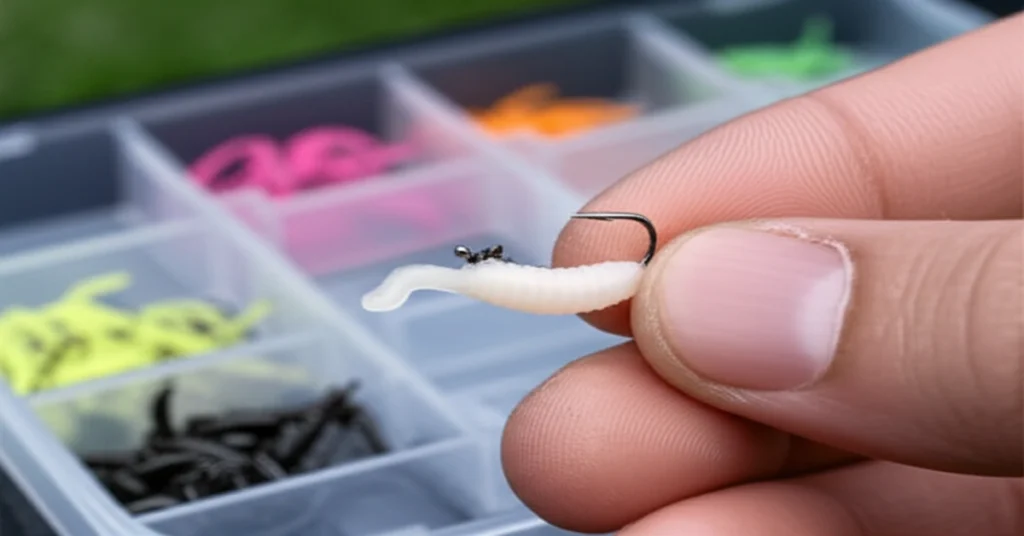
Start by holding the jig head and grub side-by-side to visualize where the hook point should exit the grub’s body. Insert the hook point directly into the center of the grub’s head. Carefully thread the grub up the hook shank, following its natural curve. Push it until the head of the grub is snug against the lead of the jig head. Ensure the grub’s body is straight, not bunched up or crooked. A straight-rigged grub is a key part of the grub fishing fundamentals.
Step 3: Mastering the Cast and Retrieve
This is where the magic happens. The most common and effective technique for grub fishing beginners is the “slow and steady” retrieve. Cast your grub towards promising targets like weed lines, docks, submerged rocks, or drop-offs. Let the grub sink to your desired depth; you can count it down (e.g., one second per foot of depth). Once it reaches the target zone, simply begin a slow, constant retrieve. This allows the grub’s tail to kick and swim, creating an irresistible action that triggers strikes. Pay close attention to your line for any unusual jumps or ticks, which often signal a bite.
Expert Tips & Best Practices for grub fishing beginners
Once you’ve mastered the basics, applying a few best practices can dramatically increase your catch rate. These tips are designed to help grub fishing beginners fine-tune their approach and start thinking like a seasoned angler.
For Beginners:
- Start Simple with Colors: Don’t get overwhelmed by color choices. Stick to three basic categories: white/chartreuse for clear water and sunny days, natural colors like green pumpkin or watermelon for clear to slightly stained water, and dark colors like black or june bug for muddy water or low-light conditions.
- Vary Your Retrieve Speed: While a slow, steady retrieve is the go-to, fish aren’t always in the same mood. If you’re not getting bites, experiment by speeding up or slowing down your retrieve until you find what the fish want that day. Sometimes a brief pause can trigger a strike.
- Fish Close to Cover: Fish use cover (weeds, rocks, docks, fallen trees) for ambush points and protection. Always make your first few casts parallel to or as close to this cover as possible. This simple strategy puts your lure in the highest-percentage strike zones.
For Advanced Users:
- Incorporate Scent Attractants: In heavily pressured waters or when fish are lethargic, adding a scent gel or spray can make a huge difference. Applying a baitfish or crawfish-scented attractant to your grub creates a scent trail and encourages fish to hold on longer, giving you more time to set the hook.
- Master the “Hop and Drop” Retrieve: Instead of a steady retrieve, let the grub hit the bottom. Then, lift your rod tip from the 3 o’clock to the 12 o’clock position, letting the grub hop off the bottom. Reel in the slack line as you lower the rod tip and let the grub fall back down. Most strikes will occur as the grub is falling.
5 Common grub fishing beginners Mistakes to Avoid
Avoiding common pitfalls is just as important as learning the right techniques. For grub fishing beginners, steering clear of these five mistakes will accelerate your learning curve and prevent frustrating, fishless days.
Mistake #1: Using the Wrong Jig Head Weight
The Problem: A jig head that’s too heavy will cause the grub to fall too fast, appearing unnatural and often snagging on the bottom. One that’s too light will be difficult to cast and may not reach the fish in deeper water or on windy days.
The Solution: Use the lightest jig head you can get away with while still maintaining contact with the bottom and being able to cast effectively. A 1/8 oz jig head is a fantastic all-around starting point for most shallow-water situations (5-15 feet deep).
Mistake #2: Retrieving Too Quickly
The Problem: The most common error among those learning grub fishing is reeling too fast. A speedy retrieve can move the lure out of the strike zone before a fish can commit and often looks unnatural to predatory fish.
The Solution: Force yourself to slow down. A proper grub retrieve should feel almost painfully slow at first. This slow pace keeps the lure in the strike zone longer and allows the tail to create its subtle, enticing action.
Mistake #3: Neglecting Line Watching
The Problem: Many fish, especially bass and walleye, will pick up a grub as it falls and swim off with it. If you are only waiting to feel a “thump” on your rod, you will miss over half of your bites.
The Solution: Be a “line watcher.” After you cast, keep a close eye on your fishing line where it enters the water. If you see it twitch, jump, or suddenly start moving sideways, reel up slack and set the hook immediately. A high-visibility line can help with this.
Advanced grub fishing beginners Strategies for 2024/2025
As you progress from a grub fishing beginner to an experienced angler, you can incorporate more advanced strategies. These modern techniques for 2024/2025 leverage the grub’s effectiveness in non-traditional rigs to fool highly pressured or finicky fish.
The Grub on a Drop Shot Rig
The drop shot is a finesse technique where the weight is at the bottom of the line and the hook is tied above it. Using a small, 3-inch grub instead of a traditional drop shot worm can be deadly, especially for smallmouth bass. To implement this, tie a size 1 drop shot hook about 12-18 inches above a 1/4 oz drop shot weight. Nose-hook the grub. This setup allows you to present the grub suspended and quivering in one spot, which is irresistible to neutral fish. The result is more bites in tough conditions when fish are suspended off the bottom.
Ned Rigging with a Grub
The Ned Rig is an ultra-finesse technique that has exploded in popularity. While typically used with stick-style baits, a small 2.5-inch or 3-inch grub on a mushroom-style Ned Rig jig head can be incredibly effective. The grub’s tail adds subtle action that a standard Ned bait lacks. Drag this rig slowly along the bottom. The jig head’s design allows the grub to stand up, and any slight movement or current will make the tail flicker. This is a phenomenal technique for when the bite is extremely tough and fish are ignoring larger presentations.
Essential Tools & Resources for grub fishing beginners
Having the right tools and knowing where to find reliable information can significantly enhance the experience for grub fishing beginners. Here are some key items and resources to get you started on the right foot.
Recommended Tools:
- Classic Curly Tail Grubs: Brands like Mister Twister and Kalin’s Lunker Grubs are iconic for a reason—they work. Their tails produce a wide, flapping action even at very slow speeds, making them perfect for beginners.
- Ball Head Jigs: For most applications, a simple, unpainted lead ball head jig is all you need. They are affordable and effective. Stock sizes from 1/16 oz to 1/4 oz to cover various depths.
- Fluorocarbon Leader Material: If you use braided line as your main line, always attach a 4-6 foot leader of 6-8 lb fluorocarbon. This material is nearly invisible underwater, which is a huge advantage in clear water and for wary fish.
Additional Resources:
- YouTube Fishing Channels: Visual learning is powerful. Channels dedicated to fishing provide excellent tutorials. A good grub fishing tutorial can show you exactly how to rig and retrieve the lure in real-world conditions.
- Local Fishing Reports: Check your state’s wildlife agency website or local bait shop for fishing reports. These resources provide up-to-date information on what fish are biting, where they are located, and what lures are working best, including grubs.
Frequently Asked Questions About grub fishing beginners
Q1: What are the most important grub fishing basics for someone on their very first grub fishing start?
Answer: The most critical grub fishing fundamentals boil down to three things. First, use a light jig head (1/8 oz is perfect) to ensure a natural, slow fall. Second, rig the grub perfectly straight on the hook; a crooked grub won’t swim correctly. Third, master the slow, steady retrieve. This simple, easy grub fishing technique is responsible for catching more fish than any other. This is the foundation of any good grub fishing guide for beginners.
Q2: What color grub should I use?
Answer: A great rule of thumb is the “match the hatch” principle combined with water clarity. In clear water, use natural, translucent colors like smoke, watermelon, or pumpkinseed to imitate local baitfish. In stained or murky water, use bright, solid colors like white, chartreuse, or even pink to help fish find your lure. On overcast days, black or june bug can create a strong silhouette that fish can easily see.
Q3: What types of fish can you catch with a grub?
Answer: The list is incredibly long, which is a testament to the grub’s versatility. You can catch almost any predatory freshwater fish, including largemouth bass, smallmouth bass, crappie, bluegill, perch, walleye, trout, and even northern pike. It’s also highly effective in saltwater for species like flounder, redfish, and speckled trout.
Q4: When is the best time of year to fish with a grub?
Answer: Grubs are effective year-round, but they truly shine in the spring and fall when water temperatures are cooler and fish are actively feeding in shallower water. However, they can be used in the summer by targeting deeper, cooler water and in the winter by fishing them extremely slowly for lethargic fish. Their versatility makes them a reliable choice in any season.
Conclusion: Master grub fishing beginners for Long-term Success
The journey for grub fishing beginners is one of the most rewarding in angling. By mastering this simple, affordable, and incredibly effective technique, you build a foundation of skills that will serve you for a lifetime of fishing. We’ve covered the essential gear, the perfect rigging method, and the proven retrieves that will help you succeed.
As you move forward, continue to experiment and refine your approach. The future of angling will always have a place for classic techniques, and understanding the grub fishing basics will make you a more versatile and successful angler. Now that you have the knowledge from this grub fishing guide for beginners, it’s time to get on the water and put it into action. Your next personal best might just be a cast away.
Related Articles You Might Find Helpful:
- The Complete Guide to Grub Fishing Basics for Bass
- How to Choose the Right Jig Head for Any Soft Plastic
- Finesse Fishing 101: Advanced Techniques for Tough Conditions
What’s Your grub fishing beginners Experience?
What has been your biggest challenge or success while learning to fish with grubs? Share your stories or ask any remaining questions in the comments below—we’d love to help!
Note: This guide reflects current best practices and is updated regularly to ensure accuracy. Last updated: [Current Date]