Finesse Tube Fishing: The Ultimate Guide for Bass
Ever stared at a crystal-clear lake, knowing fish are there, but unable to get a single bite? It’s a frustrating scenario every angler faces, where aggressive lures get ignored and pressured bass seem to have lockjaw. This is precisely where the subtle art of finesse tube fishing shines, turning tough days into triumphant ones. This guide is your definitive resource for mastering this incredibly effective technique. You’ll learn everything from the fundamental principles to advanced strategies that will put more fish in your boat, especially when the conditions are challenging.
We will dive deep into the nuances that separate casual anglers from seasoned pros. This isn’t just about tying on a lure; it’s about understanding the entire system. We’ll explore the best gear, the most effective finesse tube techniques, and the subtle color and size choices that make all the difference. By the end of this comprehensive finesse tube guide, you’ll have the confidence and knowledge to apply finesse tube fishing tactics to your home waters and consistently catch more bass.
Table of Contents
- What is finesse tube fishing?
- Key Benefits and Importance
- Complete Step-by-Step Guide
- Expert Tips & Best Practices
- Common Mistakes to Avoid
- Advanced Strategies for 2024/2025
- Essential Tools & Resources
- Frequently Asked Questions
What is finesse tube fishing?
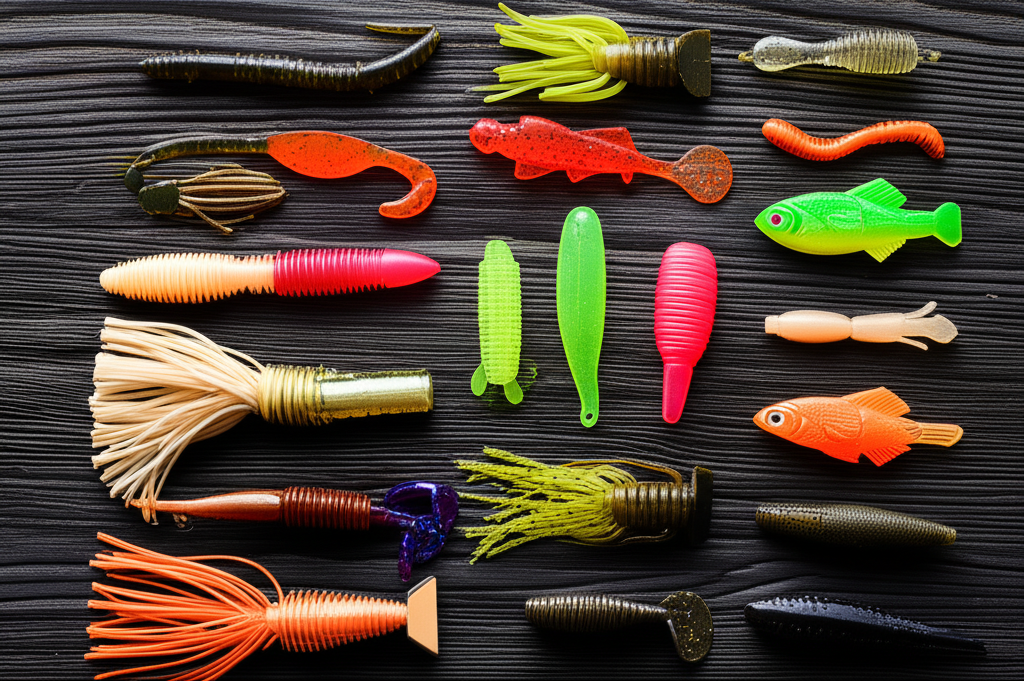
Finesse tube fishing is a highly effective angling method that uses small, soft-plastic, hollow-bodied lures called tubes to present a subtle and natural-looking offering to fish. It relies on light line, sensitive rods, and a slow, methodical approach to trigger bites from wary or inactive bass.
Unlike power-fishing techniques that rely on speed and reaction, finesse tube fishing excels by perfectly imitating the natural movements of prey like crawfish, gobies, or dying baitfish. This approach is a cornerstone for catching finicky finesse tube bass in clear water or during post-frontal conditions when fish are less aggressive. Understanding the key components—including the right finesse tubes, appropriate finesse tube sizes, and proper finesse tube rigging—is the first step toward mastering this deadly technique that consistently produces bites when other methods fail. The success of finesse tube fishing lies in its simplicity and realism.
Key Components
- The Finesse Tube: A small, salt-impregnated, hollow soft plastic lure with tentacle-like tails. Its hollow body traps air, creating a slow, spiraling fall that is irresistible to bass.
- The Jig Head: A lightweight jig head (typically 1/16 to 1/4 oz) is inserted inside the tube. This internal weight preserves the bait’s natural profile and enhances its unique gliding action.
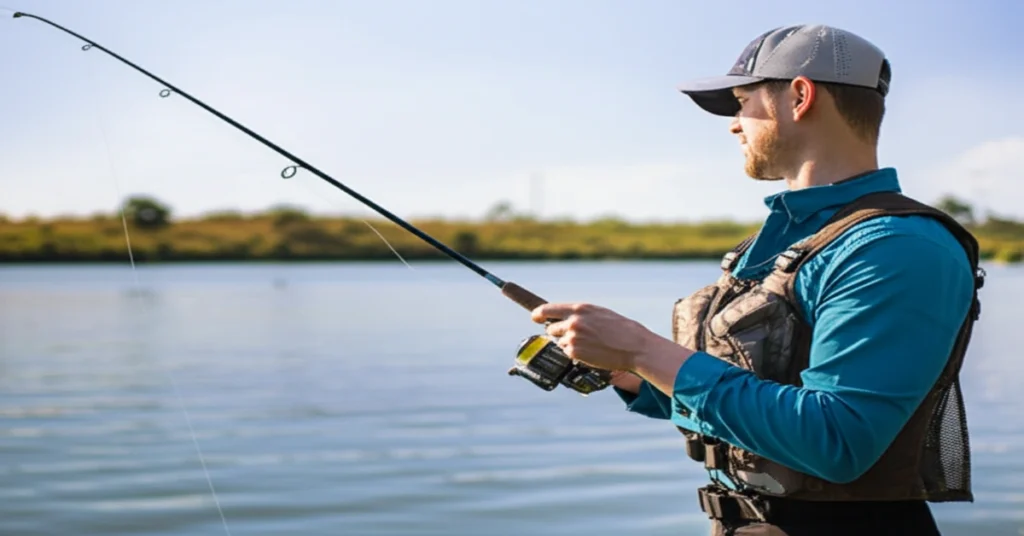
- Light Tackle: A spinning rod and reel spooled with light line (6-10 lb test fluorocarbon) is essential. This setup provides the sensitivity to detect subtle bites and allows the lightweight tube to perform correctly.
- Subtle Presentation: The technique involves slow drags, short hops, and long pauses. The magic is in letting the tube’s natural action do the work, rather than imparting too much action with the rod.
Why finesse tube fishing Matters: Key Benefits
In the modern era of highly pressured fisheries, bass have seen it all. They grow wary of noisy, fast-moving lures. Finesse tube fishing cuts through this conditioning by offering a presentation that is both subtle and incredibly lifelike. It’s not just a technique; it’s a solution for the most challenging angling scenarios, consistently outperforming other methods in clear water, cold water, and post-spawn periods.
Unmatched Versatility
One of the greatest strengths of finesse tube fishing is its versatility. It can be used to effectively target bass in a vast range of environments. For instance, you can drag it slowly across deep rock piles to imitate a crawfish, targeting smallmouth bass. Alternatively, you can pitch it into shallow vegetation to mimic a fleeing bluegill for largemouth. This single lure can be adapted to fish from 2 feet of water to 40 feet of water, making it a true multi-tool in any angler’s arsenal.
The Ultimate Clear-Water Weapon
When water visibility exceeds 5-6 feet, bass rely heavily on sight to feed. Loud, unnatural lures are easily identified and rejected. The subtle profile, natural colors, and gentle spiraling action of a finesse tube, however, are highly convincing. An angler fishing a clear reservoir like Lake Mead can use a translucent smoke-colored tube on light line to fool highly pressured bass that would flee from a spinnerbait or crankbait. The success of finesse tube fishing in these conditions is undeniable.
“The tube is the single most important lure in my boat for catching finicky bass. Its subtle, unpredictable spiral on the fall is something fish just can’t resist, no matter how much pressure they’ve seen.”
Complete Guide to finesse tube fishing – Step-by-Step
Executing this technique correctly requires a systematic approach, from selecting your gear to presenting the lure. Follow these steps to build a solid foundation for successful finesse tube fishing.
Step 1: Selecting the Right Gear
Your equipment is the foundation of successful finesse tube fishing. The wrong rod or line can completely negate the lure’s effectiveness. You need a setup that transmits the slightest vibration and allows for a natural presentation.
- Rod: Choose a 6’10” to 7’2″ spinning rod with a Medium-Light or Medium power and a Fast or Extra-Fast action. This provides the ideal blend of sensitivity for bite detection and backbone for setting the hook.
- Reel: A 2500 or 3000-size spinning reel with a smooth drag system is perfect. The drag is critical for fighting large fish on light line without breaking off.
- Line: 6-10 lb test fluorocarbon is the industry standard. Its low visibility and high sensitivity are perfect for finesse applications. Some anglers may use a braid-to-fluorocarbon leader for even greater sensitivity.
Step 2: Choosing Your Finesse Tube and Jig Head
Your lure selection should be dictated by the conditions and the primary forage in the body of water. Matching the hatch is a critical component of all finesse tube techniques. This is where understanding finesse tube colors and finesse tube sizes becomes paramount.
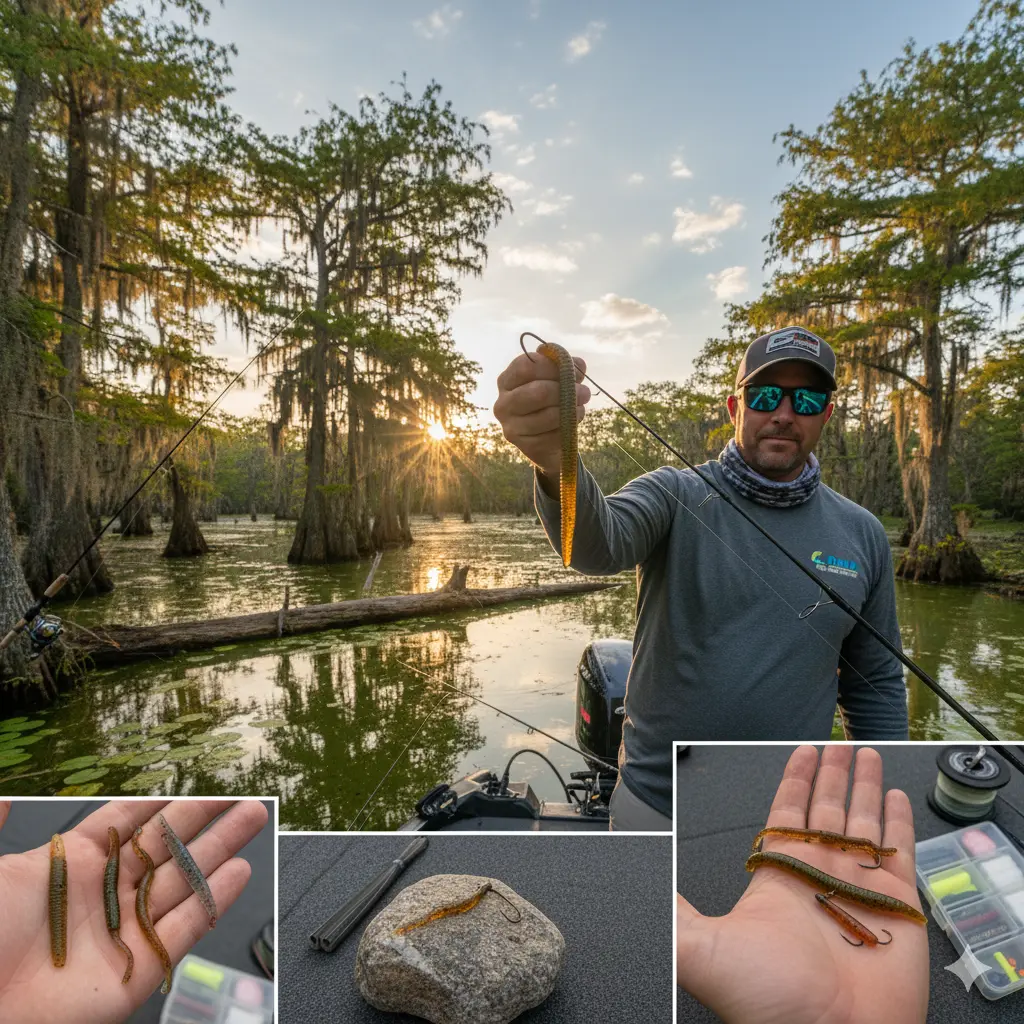
For sizes, start with a 2.75-inch or 3.5-inch tube, as these are the most versatile. In terms of colors, stick to natural hues. Green pumpkin, watermelon red flake, and smoke with purple flake are proven producers that mimic crawfish and baitfish. For jig heads, an internal tube jig with a 90-degree line tie is standard. Use the lightest weight you can get away with while maintaining bottom contact—typically 1/8 oz is a great starting point for finesse tube fishing.
Step 3: Mastering Finesse Tube Rigging
Proper rigging is non-negotiable for achieving the tube’s signature spiraling fall. An improperly rigged tube will spin unnaturally or fall straight, killing its effectiveness. The most common method is internal rigging.
To do this, moisten the jig head and the inside of the tube. Push the jig head eye-first into the hollow body of the tube until the head is seated firmly in the nose. Then, carefully poke the hook point out through the top of the plastic, ensuring the tube hangs perfectly straight. This meticulous finesse tube rigging process ensures the bait glides and spirals exactly as intended on the fall, which is when most strikes occur.
Expert Tips & Best Practices for finesse tube fishing
Adhering to best practices will dramatically accelerate your learning curve and increase your catch rate. The difference between a good day and a great day of finesse tube fishing often comes down to these subtle refinements.
For Beginners:
- Start with the Drag: The simplest and often most effective retrieve is a slow, steady drag. Cast out, let the tube hit the bottom, and slowly drag it a few feet with your rod. Reel up the slack and repeat. This perfectly mimics a crawfish scurrying along the bottom.
- Become a Line Watcher: Many finesse tube bites are not aggressive thumps. Often, your line will simply “tick,” jump, or start swimming sideways. Keep a close eye on where your line enters the water at all times; any unnatural movement is likely a fish.
- Let it Soak: One of the most important finesse tube tips is to embrace the pause. After a drag or a hop, let the tube sit motionless on the bottom for 5-10 seconds. Inactive bass will often use this opportunity to inspect and eat the bait.
For Advanced Users:
- Master the Spiral Fall: The most iconic of all finesse tube techniques is the spiral fall. Cast to a target (like a dock piling or rock) and let the tube fall on a semi-slack line. This allows it to spiral downward like a dying minnow, triggering aggressive strikes before it even hits the bottom.
- Snapping the Tube: In slightly stained water or when fish are more active, a sharp “snap” of the rod tip can trigger a reaction strike. Let the tube hit the bottom, then give it a quick, upward pop. This makes it jump erratically, imitating a fleeing crawfish. Let it fall back to the bottom on a slack line.
5 Common finesse tube fishing Mistakes to Avoid
Success in finesse tube fishing is as much about avoiding errors as it is about proper execution. These common mistakes can sabotage your efforts and lead to frustrating, fishless days.
Mistake #1: Using Gear That Is Too Heavy
The Problem: Many anglers try to fish a finesse tube on their standard baitcasting setup with 15 lb line. This heavy gear kills the bait’s action, reduces casting distance, and severely limits sensitivity. You won’t feel the subtle bites that characterize this technique.
The Solution: Commit to a dedicated finesse spinning setup. A medium-light power rod with 8 lb fluorocarbon is the sweet spot. This allows the tube to fall naturally and gives you the sensitivity needed to detect even the lightest pickups.
Mistake #2: Overworking the Lure
The Problem: Anglers accustomed to power fishing often impart too much action, constantly shaking, hopping, and twitching the tube. The beauty of the tube is its inherent, subtle action. Overworking it makes it look unnatural and can spook wary fish.
The Solution: Do less. Let the tube’s design do the work. A slow drag or a gentle lift-and-drop is all that’s needed. Remember, the pause is one of your most powerful tools when finesse tube fishing.
Mistake #3: A Poor Hookset
The Problem: A traditional, hard-swinging “bassmaster” hookset will often break light line or rip the small hook out of the fish’s mouth. It’s simply too much force for a finesse presentation.
The Solution: Use a “reel-set” or a “sweep-set.” When you detect a bite, simply start reeling fast while sweeping the rod firmly to the side. This applies steady pressure, driving the small, sharp hook into place without the violent shock that can cause break-offs.
Advanced finesse tube fishing Strategies for 2024/2025
As technology and techniques evolve, so does finesse tube fishing. Staying ahead of the curve with these modern strategies can give you a significant edge on the water, especially on highly competitive lakes.
Integrating with Forward-Facing Sonar
Forward-facing sonar (FFS) like Garmin LiveScope or Lowrance ActiveTarget has revolutionized fishing. With FFS, you can watch your tube descend in real-time and see exactly how fish react to it. Pitch your tube past a suspended fish you see on screen, and let it spiral down into their strike zone. You can adjust your retrieve on the fly—pausing, shaking, or snapping it—based on the fish’s real-time reaction. This turns finesse tube fishing from a blind-casting technique into a precise, targeted video game.
The “Stupid Rig” Variation
A highly effective variation on standard finesse tube rigging is the “stupid rig.” This involves using a specialized tube jig head where the eyelet is exposed at the nose of the bait, but the hook point is skin-hooked back into the plastic, making it weedless. This allows you to fish the tube in and around cover like grass and wood without snagging, opening up new areas for this subtle presentation. It combines the weedless properties of a Texas rig with the superior action of an exposed-head jig, making it a deadly tool for finesse tube bass.
Essential Tools & Resources for finesse tube fishing
Having the right tools and knowledge resources is crucial for maximizing your success. Here are some essentials for anyone serious about mastering finesse tube fishing.
- High-Quality Fluorocarbon Line: Brands like Seaguar InvizX or Sunline Sniper FC are excellent choices. Their clarity and sensitivity are unmatched and provide a direct connection to your lure.
- Specialized Tube Jigs: Look for jig heads designed specifically for tubes, such as those from Gopher Tackle or Owner. They have the right hook gaps and head shapes to optimize the tube’s action.
- Scent Attractant: Adding a crawfish or shad-scented gel, like Pro-Cure or Megastrike, can make a huge difference. It encourages fish to hold onto the bait longer, giving you more time to detect the bite and set the hook.
Additional Resources:
- Online Fishing Forums: Websites like BassResource provide communities where you can ask questions and learn advanced finesse tube tips from experienced anglers.
- This Finesse Tube Guide: Bookmark this article as your go-to reference. It covers the core principles and advanced tactics needed for success with finesse tube fishing.
Frequently Asked Questions About finesse tube fishing
Q1: What are the best conditions to try finesse tube fishing with various finesse tube colors and sizes?
Answer: Finesse tube fishing excels in clear water (5+ feet of visibility), during cold water periods (early spring, late fall), and in high-pressure situations, such as post-frontal conditions or on weekends on popular lakes. For finesse tube colors, start with green pumpkin in clear to slightly stained water and black with blue flake in muddier water. Regarding finesse tube sizes, a 3.5-inch tube is the most versatile all-around choice for both largemouth and smallmouth bass.
Q2: Can you use a finesse tube for species other than bass?
Answer: Absolutely! Smaller 2.5-inch finesse tubes are fantastic lures for large crappie, perch, and especially walleye. When dragged along deep gravel or rock transitions, a tube perfectly imitates a goby or sculpin, which are primary forage for walleye in many systems. The technique remains largely the same, focusing on slow bottom contact.
Q3: How do I know if I’m using the right weight for my finesse tube rigging?
Answer: The golden rule is to use the lightest weight possible while still being able to feel the bottom. In calm conditions and shallow water (under 15 feet), a 1/8 oz or even a 1/16 oz jig head might be sufficient. In deeper water or windy conditions, you may need to step up to a 3/16 oz or 1/4 oz head to maintain contact and sensitivity. If your line is bowing excessively in the wind, you need more weight.
Q4: What is the most important tip for a beginner?
Answer: The single most important piece of advice is to slow down and trust the bait. Most beginners fish a tube too fast and aggressively. Cast it out, let it sink to the bottom on a semi-slack line, and then just let it sit for a moment. Most of your success with finesse tube fishing will come from patient, subtle retrieves and being a diligent line-watcher.
Conclusion: Master finesse tube fishing for Long-term Success
Finesse tube fishing is far more than just another technique; it’s a fundamental angling philosophy built on subtlety and realism. By understanding the core components—from proper gear selection to nuanced presentation—you can unlock a method that consistently catches fish when nothing else will. This guide has provided the roadmap for you to master this essential skill.
As fisheries continue to see increased pressure into 2024 and 2025, the importance of effective finesse techniques will only grow. The principles you’ve learned here, from mastering finesse tube techniques to understanding the subtleties of finesse tube colors, will ensure you remain a versatile and successful angler. Take these finesse tube tips to the water, practice them diligently, and watch your catch rates soar, even on the toughest days.
Related Articles You Might Find Helpful:
- Advanced Guide to Finesse Tube Rigging for Smallmouth
- Dropshot vs. Tube: Which Finesse Technique is Better?
- Top 5 Finesse Tube Colors for Every Water Clarity
What’s Your finesse tube fishing Experience?
What’s your go-to finesse tube color, or do you have a unique rigging tip that works for you? Share your successes and challenges in the comments below—we can all learn from each other!
Note: This guide reflects current best practices and is updated regularly to ensure accuracy. Last updated: October 17, 2023