Finesse Grub Fishing: The Ultimate Guide to Catch More Bass
Ever feel like the fish have seen every lure in your tackle box? When the bite gets tough and the bass seem to have lockjaw, anglers often reach for complex, expensive baits. But the answer might just be the simplest, most overlooked lure of all: the humble grub. The art of finesse grub fishing is a timeless technique that consistently produces bites, especially when other methods fail. This guide will demystify this powerful approach, transforming it from a last resort into your go-to strategy for catching more fish, more often.
We will dive deep into everything you need to become a master of this technique. From selecting the right gear and understanding lure nuances to executing flawless presentations, this comprehensive finesse grub guide is designed for both beginners and seasoned anglers. Prepare to unlock the subtle power of finesse grubs and gain the confidence to succeed on even the most challenging days on the water.
Table of Contents
- What is finesse grub fishing?
- Key Benefits and Importance
- Complete Step-by-Step Guide
- Expert Tips & Best Practices
- Common Mistakes to Avoid
- Advanced Strategies for 2024/2025
- Essential Tools & Resources
- Frequently Asked Questions
What is finesse grub fishing?
Finesse grub fishing is a highly effective angling technique that uses small, soft-plastic baits with a distinctive curly tail, presented on light line and tackle. The goal is to create a subtle, natural presentation that entices bites from finicky, pressured, or inactive fish.
Unlike aggressive power-fishing techniques, this method relies on subtlety and realism. The magic of finesse grubs lies in their simplicity and the irresistible action of their tail, which undulates with even the slightest movement or current. This complete finesse grub guide will explore the nuances of finesse grub techniques, from choosing the right finesse grub colors and finesse grub sizes to mastering finesse grub rigging. It’s a foundational skill for targeting finesse grub bass in a variety of conditions, proving that sometimes, less is truly more.
Key Components
- The Finesse Grub: A small (typically 2-4 inch) soft plastic body with a thin, C-shaped tail that provides a lifelike swimming action at very slow speeds.
- The Light Jig Head: A lightweight hook (1/16 to 1/4 oz) that allows the grub to fall slowly and naturally through the water column, a cornerstone of proper finesse grub rigging.
- Light Fishing Line: Usually 4 to 8-pound test fluorocarbon or monofilament line, which is less visible to wary fish and allows for better lure action.
- Sensitive Spinning Tackle: A light to medium-light power spinning rod paired with a small reel provides the sensitivity needed to detect subtle bites and cast lightweight lures effectively. This is essential for successful finesse grub fishing.
Why Finesse Grub Fishing Matters: Key Benefits
In a world of highly specialized and often expensive lures, the simple grub remains a top producer for a reason. Its universal appeal to gamefish and its effectiveness in a wide range of scenarios make finesse grub fishing a vital skill. Anglers who master this technique consistently catch fish when others struggle, especially on public lakes that see heavy fishing pressure.
Unmatched Versatility
One of the greatest strengths of finesse grub fishing is its incredible versatility. It can be used to target bass in shallow water, deep water, and everywhere in between. You can swim it steadily through the mid-water column to imitate baitfish, hop it along the bottom like a crawfish, or drop it vertically to suspended fish. This adaptability means you can effectively use a grub from early spring through late fall, in clear or stained water, making it a true year-round producer.
Exceptional in Tough Conditions
When a cold front moves through, or fishing pressure intensifies, bass often become reluctant to chase fast-moving, aggressive lures. This is where finesse grubs shine. The slow, tantalizing action of the curly tail is often more than a negative-mood bass can resist. The small profile and natural movement present an easy meal, triggering a feeding response when other baits are ignored. This makes finesse grub fishing a secret weapon for tournament anglers and weekend warriors alike.
“The single-tail grub is arguably the most important and influential lure design in the history of bass fishing. It just flat-out works, and learning how to fish it will make you a better angler, period.”
Complete Guide to Finesse Grub Fishing – Step-by-Step
Getting started with this technique is simple, but mastering it involves paying attention to the details. This step-by-step process will guide you from selecting your equipment to making the perfect cast and retrieve. Following this will ensure you’re on the fast track to success.
Step 1: Select the Right Gear and Lure
Your equipment is the foundation of successful finesse grub fishing. A poor setup can mute the lure’s action and prevent you from feeling subtle bites.
- Rod and Reel: Choose a 6’6″ to 7’2″ spinning rod with a light or medium-light power and a fast action tip. Pair it with a 1000 to 2500-series spinning reel spooled with 6-pound test fluorocarbon line.
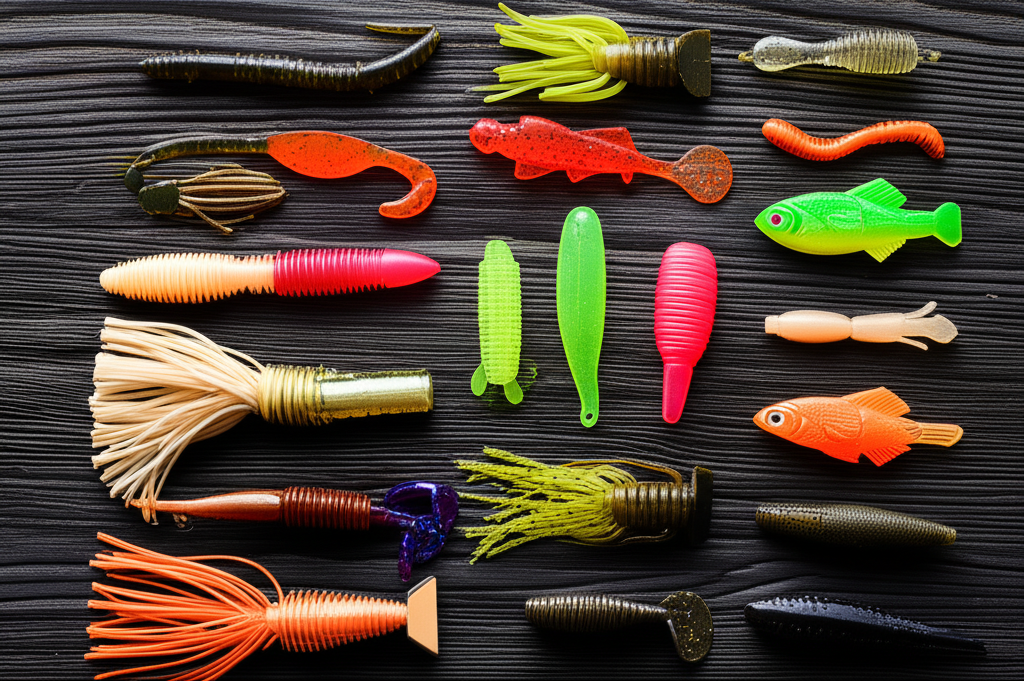
- Choosing Finesse Grub Sizes: Start with a 3-inch grub, as it’s the most versatile size. Downsize to a 2-inch for ultra-clear water or highly pressured fish, and upsize to a 4-inch when targeting larger bass or in stained water.
- Picking Finesse Grub Colors: Follow the “match the hatch” principle. In clear water, use natural colors like green pumpkin, watermelon, and smoke. In stained or muddy water, opt for brighter or darker colors like chartreuse, white, or black to create a better silhouette.
Step 2: Master Finesse Grub Rigging
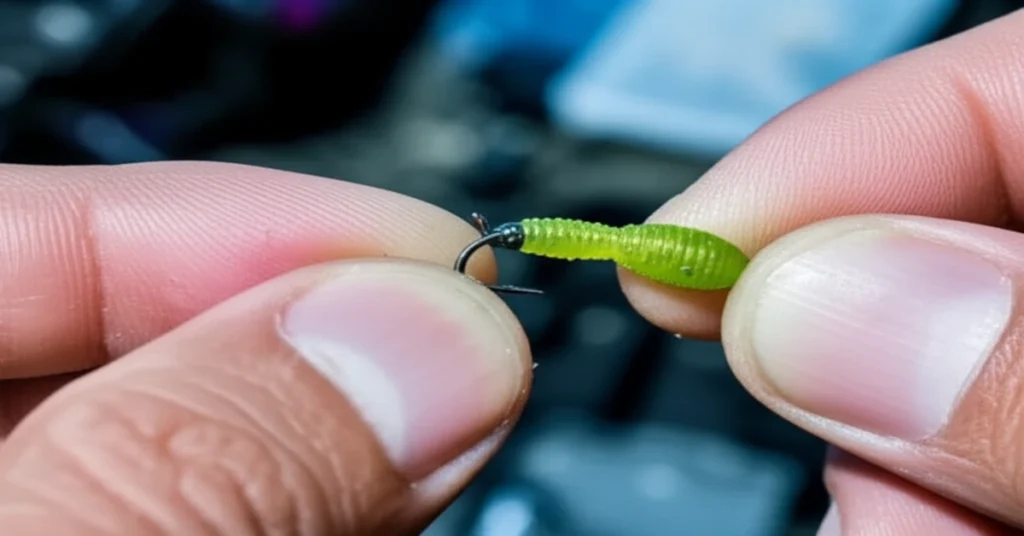
Proper rigging is non-negotiable for achieving the correct action. The most common method is on an open-hook jig head. This is a critical part of any finesse grub guide.
Select a ball-head or darter-head jig with a weight that matches your target depth—1/16 oz for shallow water (under 8 feet), 1/8 oz for mid-depths (8-15 feet), and 1/4 oz for deeper water. Insert the hook point directly into the center of the grub’s nose. Push it in about a quarter of an inch, then thread the grub up the hook shank until it reaches the collar of the jig head. Ensure the grub is perfectly straight on the hook shank. A crooked grub will spin unnaturally and deter bites.
Step 3: Execute Effective Retrieves
How you work the lure is what separates the experts from the beginners. There are several highly effective finesse grub techniques for your retrieve.
The most basic and effective retrieve is the “slow and steady.” Cast the grub out, let it sink to your desired depth, and then simply reel it in slowly and steadily. The grub’s tail will do all the work. Another key technique is bottom hopping. Let the grub sink to the bottom, then use short hops and pauses by gently lifting your rod tip, mimicking a crawfish or scurrying baitfish. For suspended finesse grub bass, use a vertical presentation, dropping the grub down and holding it steady or imparting subtle shakes.
Expert Tips & Best Practices for Finesse Grub Fishing
Adhering to best practices can dramatically increase your catch rate. Whether you’re just starting or looking to refine your approach, these finesse grub tips will give you a competitive edge.
For Beginners:
- Keep It Simple: Start with a 3-inch green pumpkin grub on a 1/8 oz ball-head jig. This combination is a proven fish-catcher nationwide and a perfect baseline for learning the feel of finesse grub fishing.
- Maintain Bottom Contact: For many applications, feeling the grub tick along the bottom is key. Use a jig head that is just heavy enough to maintain contact. If you’re not feeling the bottom, you may be fishing too fast or with too light of a weight.
- Become a Line Watcher: Many bites on a grub are incredibly subtle. Often, you won’t feel a big “thump.” Instead, you’ll see your line jump, twitch, or start swimming sideways. Pay close attention to your line at all times.
For Advanced Users:
- Master the Pendulum Pitch: Instead of a traditional cast, use a short underhand pitch and let the grub swing out and fall on a semi-slack line. This creates a natural, spiraling descent that is deadly for bass positioned on vertical structure like dock pilings or bluff walls.
- Incorporate “Stroking”: This is an aggressive retrieve for triggering reaction strikes. Let the grub hit the bottom, then rip it upward with a sharp snap of the rod tip. Let it fall back to the bottom on a slack line and repeat. This erratic action can entice strikes from fish that ignore a steady retrieve.
5 Common Finesse Grub Fishing Mistakes to Avoid
Success often comes from not just knowing what to do, but also what not to do. Avoiding these common pitfalls is crucial for getting the most out of your finesse grub fishing efforts.
Mistake #1: Using Gear That Is Too Heavy
The Problem: Heavy rods, reels, and line overpower the small grub, killing its subtle action and reducing your ability to feel bites. A grub on 14-pound line simply doesn’t look or act natural.
The Solution: Stick to the recommended light-tackle setup. A spinning rod with 6-8 pound fluorocarbon line is the gold standard. This allows for long casts, a natural fall, and supreme sensitivity.
Mistake #2: Fishing Too Fast
The Problem: The most common error is retrieving the grub too quickly. This is a finesse technique, and speed is often the enemy. A fast retrieve makes the grub look unnatural and can pull it right past a willing fish.
The Solution: Slow down. Then slow down some more. A slow, steady swimming retrieve or a drag-and-pause retrieve along the bottom is almost always more effective. Let the tail do the work.
Mistake #3: Improper Rigging
The Problem: A grub that is balled up on the hook shank or threaded on crooked will not have the correct action. It will spin and helicopter through the water, which looks completely unnatural.
The Solution: Take an extra moment to ensure the grub is perfectly straight on the hook. The body should be straight, and the tail should be pointing down and free to move. Perfecting your finesse grub rigging is a small detail that makes a huge difference.
Mistake #4: Setting the Hook Too Hard
The Problem: When using light line and small hooks, a powerful, boat-shaking hookset is unnecessary and often counterproductive. It can break your line or rip the small hook out of the fish’s mouth.
The Solution: Use a “reel-set” or a firm sweeping motion. When you detect a bite, simply start reeling fast while sweeping the rod to the side. This drives the small, sharp hook in securely without putting excessive strain on your light line.
Mistake #5: Neglecting Scent Attractants
The Problem: Bass rely heavily on their sense of smell, especially in stained water or when they are inspecting a slow-moving bait. A plain plastic grub can be rejected if it doesn’t smell or taste right.
The Solution: Add a gel or spray-on scent attractant. Scents like garlic or crawfish can mask human odors and encourage fish to hold onto the bait longer, giving you more time to set the hook.
Advanced Finesse Grub Fishing Strategies for 2024/2025
As fishing technology evolves, so do the applications for classic lures. These cutting-edge approaches combine the timeless appeal of the grub with modern electronics and tactics.
Targeting with Forward-Facing Sonar (FFS)
Forward-facing sonar has revolutionized how anglers target suspended fish. A small grub is the perfect lure for this “video game” style of fishing. You can watch your grub descend on the screen in real-time and see exactly how fish react to it. For this FFS-focused finesse grub fishing, use a slightly heavier jig head (3/16 or 1/4 oz) to get down to the fish quickly. Hold the grub perfectly still in front of the fish or impart tiny shakes to trigger a bite. This precision approach is incredibly effective for targeting individual, hard-to-catch bass.
The “Moping” or “Hover-Strolling” Technique
Originating from advanced Japanese finesse techniques, moping (or hover-strolling) is deadly on deep, suspended bass. This involves using your trolling motor to move the boat very slowly while keeping the grub vertically below the transducer. The key is to keep the line perfectly vertical and hold the grub at the exact depth of the fish you see on your electronics. The forward momentum of the boat provides all the action the grub’s tail needs. It’s a game of patience and precision that presents the grub as an irresistible, easy meal.
Essential Tools & Resources for Finesse Grub Fishing
Having the right tools for the job makes a significant difference. Here are some of the most trusted and effective products and resources for mastering finesse grub fishing.
Recommended Tools:
- Yamamoto Single Tail Grub: Often considered the gold standard, its soft plastic composition provides an unmatched tail action even at ultra-slow speeds. It’s a must-have for any serious grub angler.
- Gamakatsu Round 26 Jig Heads: These feature an exceptionally sharp, high-quality hook that is perfect for light-line applications. The double-barb keeper holds finesse grubs securely without tearing the plastic.
- Seaguar InvizX Fluorocarbon Line: As a leader or main line, this 100% fluorocarbon is virtually invisible underwater and offers incredible sensitivity and abrasion resistance, making it ideal for finesse presentations.
Additional Resources:
- Online Fishing Forums: Websites like BassResource and the forums on TackleWarehouse provide a wealth of community knowledge, including specific finesse grub tips and regional color patterns.
- YouTube Angling Channels: Visual learners can benefit greatly from watching expert anglers demonstrate finesse grub techniques. Channels dedicated to finesse fishing offer invaluable insights into retrieve cadence and rigging.
Frequently Asked Questions About Finesse Grub Fishing
Q1: When is the best time of year to use finesse grubs for bass?
Answer: Finesse grubs are effective year-round, but they truly excel during periods when bass are less aggressive. This includes the pre-spawn period when water is cold, post-frontal conditions when bluebird skies shut down the bite, and in late fall as bass become more lethargic. However, their ability to mimic small baitfish makes them a consistent producer even in the heat of summer, especially for finesse grub bass in clear, pressured lakes.
Q2: What is the single most important finesse grub technique to learn?
Answer: The slow, steady swimming retrieve is the most fundamental and universally effective of all finesse grub techniques. It perfectly imitates a small baitfish and allows the grub’s tail to create its signature thumping action. Master the correct, slow speed that makes the tail undulate without the grub rising too high in the water column, and you will catch fish anywhere.
Q3: How do I choose the right jig head weight for my finesse grub rigging?
Answer: The rule of thumb is to use the lightest weight you can get away with while still maintaining contact with the bottom and controlling your line. For shallow water (less than 10 feet) and calm conditions, a 1/16 oz head is ideal. For depths of 10-20 feet or in light wind, step up to a 1/8 oz. For deep water (20+ feet) or windy days, a 1/4 oz head will help you get down and stay down.
Q4: Can finesse grub fishing work in stained or muddy water?
Answer: Absolutely. While often associated with clear water, finesse grub fishing is highly effective in dirty water. The key is to adjust your finesse grub colors. Switch to solid, dark colors like black or junebug to create a strong silhouette, or use bright, high-visibility colors like white or chartreuse. The thumping vibration from the grub’s tail also helps bass locate the lure in low-visibility conditions.
Conclusion: Master Finesse Grub Fishing for Long-term Success
The art of finesse grub fishing is a testament to the idea that simplicity often triumphs over complexity. By mastering this technique, you equip yourself with a universally effective tool for catching bass in any season and under any conditions. Remember to focus on light tackle, slow retrieves, and precise presentation to unlock the full potential of this humble lure.
As you continue to refine your skills, this timeless method will undoubtedly become a cornerstone of your angling success. Integrating the finesse grub tips and techniques from this guide will not only help you catch more fish but also deepen your understanding of bass behavior. Embrace the subtlety, trust the process, and watch as one of the oldest tricks in the book fills your livewell for years to come.
Related Articles You Might Find Helpful:
- A Complete Guide to Finesse Grub Sizes and Colors
- How to Fish the Ned Rig for Pressured Bass
- Advanced Drop Shot Techniques for Deep Water
What’s Your Finesse Grub Fishing Experience?
Do you have a go-to color or a favorite rigging method that always seems to work? Share your best finesse grub fishing stories and tips in the comments below!
Note: This guide reflects current best practices and is updated regularly to ensure accuracy. Last updated: October 17, 2023