Best Buzzbaits for Bass Fishing: The Ultimate Guide
There’s nothing in freshwater fishing that compares to the heart-stopping explosion of a bass annihilating a topwater lure. If you live for that adrenaline rush, learning to master the best buzzbaits for bass fishing is non-negotiable. These noisy, disruptive lures churn across the surface, daring any predator below to strike. But with countless options on the market, how do you choose the right one? This comprehensive guide solves that problem, breaking down everything from blade types and colors to advanced retrieve techniques that will put more and bigger bass in your boat.
We will dive deep into the world of buzzbait bass fishing, transforming you from a curious angler into a confident topwater expert. You’ll learn how to match your lure to the conditions, avoid common mistakes that cost you fish, and discover the subtle tricks pros use to trigger strikes when others can’t. Get ready to unlock the full potential of one of bass fishing’s most exciting and effective presentations.
Table of Contents
- What Defines the Best Buzzbaits for Bass Fishing?
- Key Benefits and Importance of Buzzbait Fishing
- Complete Step-by-Step Guide to Buzzbait Success
- Expert Tips & Best Practices for Bass Buzzbaits
- Common Mistakes to Avoid in Buzzbait Bass Fishing
- Advanced Strategies for 2024/2025
- Essential Tools & Resources for Success
- Frequently Asked Questions
What Defines the Best Buzzbaits for Bass Fishing?
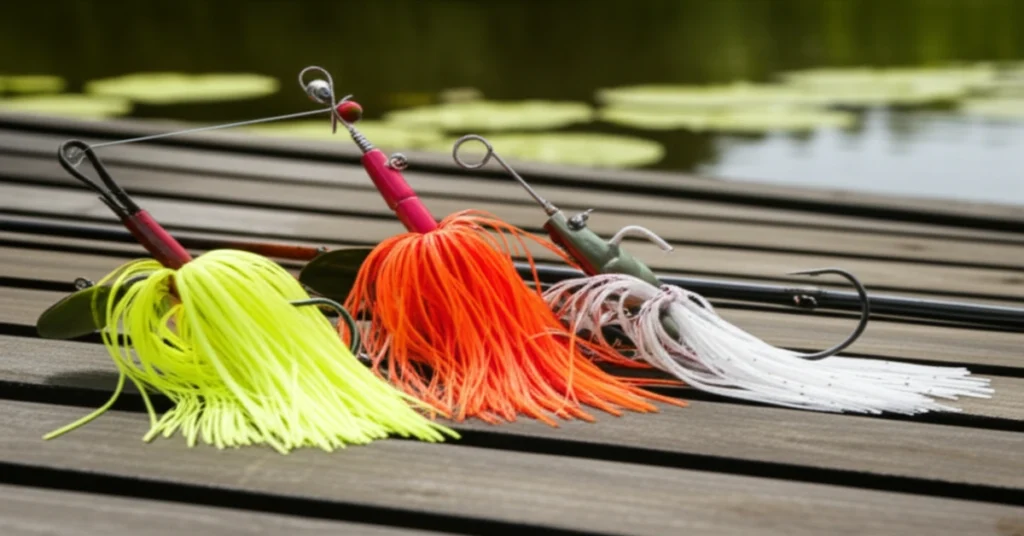
The best buzzbaits for bass fishing are topwater wire baits designed to create maximum noise and commotion on the water’s surface. They feature a propeller-like blade that spins and gurgles during the retrieve, simulating a distressed baitfish or fleeing creature that bass find irresistible.
Understanding their anatomy is the first step in proper buzzbait selection. The magic of these lures lies in their ability to trigger aggressive reaction strikes from both largemouth bass buzzbaits and smallmouth bass buzzbaits, often in situations where other lures fail. Success in bass buzzbait fishing hinges on knowing how each component influences the bait’s action, sound, and overall effectiveness. Mastering this knowledge is key to selecting the top bass buzzbaits for any scenario and is foundational to learning advanced buzzbait bass techniques. Considering the right buzzbait colors and buzzbait sizes will be critical for what we expect to be the best buzzbaits 2025 has to offer.
Key Components
- The Blade: This is the engine of the buzzbait. It can be made of aluminum, plastic, or other materials and comes in various shapes. An aluminum blade can be tuned to squeak, a sound that many anglers believe drives bass crazy.
- The Head: The weighted lead or tungsten head provides casting distance and balance. Some heads are designed to help the bait get on plane quickly, while others are shaped to navigate through cover without snagging.
- The Skirt: A silicone or rubber skirt conceals the hook and creates a pulsating, lifelike profile in the water. The choice of buzzbait colors here is crucial for matching the local forage or water conditions.
- The Hook: A sharp, sturdy hook is essential for a good hook-up ratio. Many of the best buzzbaits for bass fishing come equipped with a premium hook, and many anglers add a trailer hook for short-striking fish.
Why Using the Best Buzzbaits for Bass Fishing Matters: Key Benefits
A buzzbait isn’t just another lure; it’s a strategic tool that excels in specific situations where other baits fall short. Their unique design allows anglers to cover vast amounts of water quickly, making them an incredible search bait for locating active fish along weed lines, flats, and banks. The constant surface disturbance calls fish from a distance, drawing them out from cover to investigate.
Triggering Explosive Reaction Strikes
The primary benefit of buzzbait bass fishing is its unparalleled ability to trigger a predatory reaction. The combination of sound, splash, and vibration doesn’t give a bass time to think; it forces an instinctual attack. This is especially effective on aggressive fish during low-light periods like dawn and dusk, or on overcast days when bass are more willing to roam and feed on the surface.
Exceptional in Shallow Cover
Unlike treble-hooked topwater lures, the best buzzbaits are relatively weedless due to their upward-facing single hook design. This allows you to fish them effectively over submerged grass, through lily pads, and alongside laydowns and docks where big bass ambush their prey. Bumping a buzzbait into a piece of cover and momentarily changing its sound and direction is a classic technique for triggering a strike.
“A buzzbait forces a bass to make a split-second decision, and that decision is usually to attack. There’s no hesitation. It’s one of the purest and most exciting bites in all of fishing.”
Complete Guide to Using the Best Buzzbaits for Bass Fishing – Step-by-Step
Effective bass buzzbait fishing is a process that begins before you even make a cast. Following these steps will significantly increase your chances of success by ensuring you have the right lure and presentation for the given conditions.
Step 1: Assess the Conditions
First, analyze your environment. Is the water calm or choppy? A light chop or ripple on the surface is ideal, as it helps conceal the lure and makes bass less wary. In windy conditions, you may need a heavier buzzbait or one with a clacker to produce enough noise. Water clarity also matters; in clear water, natural-looking skirts work well, while in stained or muddy water, high-contrast colors like black or chartreuse excel.
- Specific action item: Check the weather forecast for cloud cover and wind.
- Required tools or resources: Your eyes and a weather app.
- Expected outcome: A clear understanding of what type of buzzbait to start with.
Step 2: Master Your Buzzbait Selection
With conditions assessed, it’s time for proper buzzbait selection. This involves choosing the right weight, blade type, and color. For buzzbait sizes, a 1/4 oz or 3/8 oz is a great all-around choice. Move up to a 1/2 oz or larger for windy days, long casts, or when targeting trophy-sized fish. For buzzbait colors, the rule of thumb is simple: dark colors (black, blue) for low-light/dark water and light colors (white, chartreuse) for bright days/clearer water.
Step 3: Perfect Your Buzzbait Bass Techniques
Your retrieve is everything. Cast the buzzbait past your intended target and begin reeling just before it hits the water to get the blade spinning immediately. The key is to find the slowest possible speed you can retrieve the lure while keeping the blade churning on the surface. Vary your retrieve speed and occasionally bump the lure into cover like logs or dock pilings to create an erratic action that triggers strikes. This is a core element of effective buzzbait bass techniques.
Expert Tips & Best Practices for the Best Buzzbaits for Bass Fishing
Following a few best practices can dramatically elevate your success rate. Whether you’re a beginner or a seasoned angler, these tips will help you get more bites and land more fish.
For Beginners:
- Always Add a Trailer Hook: Bass often swipe at a buzzbait and miss the main hook. Adding a trailer hook will convert many of those short strikes into landed fish. It’s the single easiest modification for better results.
- Use Braided Line: Braid has no stretch, which provides instant, powerful hooksets needed to drive the single hook home. It also floats, helping to keep your buzzbait on the surface, and its strength is invaluable for pulling fish from heavy cover.
- Keep Your Rod Tip High: Maintain a high rod tip (around 10 or 11 o’clock) during the retrieve. This helps keep the lure on the surface, especially at the end of a long cast or when using a slower retrieve speed.
For Advanced Users:
- Tune Your Blade for a Squeak: The top bass buzzbaits often have an aluminum blade that can be “tuned.” Run the buzzbait out of the water until the rivet connecting the blade to the wire frame wears in and develops a high-pitched squeak. This unique sound can be a major strike trigger for pressured fish.
- Bend the Wire Arm: Slightly bending the main wire arm of the buzzbait so the blade ticks against the head can create a “clacking” sound. This adds another layer of noise and can be the key on days when fish want a more aggressive presentation.
5 Common Mistakes with the Best Buzzbaits for Bass Fishing to Avoid
Success in buzzbait bass fishing often comes down to avoiding simple errors. These five common mistakes can be the difference between a frustrating day and a memorable one.
Mistake #1: Setting the Hook Too Early
The Problem: The explosive surface strike is so visually stimulating that anglers react instantly, pulling the lure away from the fish before it has it securely in its mouth.
The Solution: Wait until you feel the weight of the fish on your line before swinging. Train yourself to hesitate for a split second after the splash. A common mantra is “feel the fish, then set the hook.”
Mistake #2: Retrieving Too Fast
The Problem: Anglers often fish a buzzbait way too quickly. While a fast retrieve has its place, a slower retrieve often appears more natural and keeps the lure in the strike zone longer.
The Solution: Experiment to find the absolute slowest speed you can reel while keeping the blade turning. This “slow roll” is often irresistible to even lethargic bass.
Mistake #3: Using the Wrong Gear
The Problem: Fishing a buzzbait on a light-action rod or with stretchy monofilament line leads to poor hooksets and lost fish. You need power to drive the hook home and control the fish.
The Solution: Use a 7’ to 7’4” medium-heavy power rod with a fast action tip, a high-speed (7.1:1 or faster) baitcasting reel, and 30-50 lb braided line. This setup is the gold standard for buzzbait fishing.
Mistake #4: Sticking to Open Water
The Problem: While buzzbaits can draw fish in open water, they truly excel when fished tight to cover where bass ambush prey.
The Solution: Make precise casts to targets like laydown trees, dock posts, grass edges, and stumps. Bumping the buzzbait off the cover is a pro-level technique to trigger strikes.
Mistake #5: Neglecting Lure Modifications
The Problem: Fishing a buzzbait straight out of the package means you’re missing opportunities to optimize its performance for your specific conditions.
The Solution: Always add a trailer hook. Consider trimming the skirt for a more compact profile or adding a soft plastic trailer (like a toad or swimbait) for extra bulk and action.
Advanced Best Buzzbaits for Bass Fishing Strategies for 2024/2025
As fishing pressure increases and technology evolves, top anglers are developing new ways to get more out of their buzzbaits. These cutting-edge strategies will keep you ahead of the curve and help you catch fish that others miss, especially as we look toward the best buzzbaits 2025 will bring.
Strolling a Buzzbait with Forward-Facing Sonar
The biggest revolution in modern bass fishing is forward-facing sonar. Anglers are now using it to target individual suspended bass in open water—a scenario previously not associated with buzzbaits. By locating a fish on the screen, an angler can make a long cast past it and “stroll” the buzzbait slowly over its head. This presents a unique look these fish rarely see and can trigger massive strikes from fish that are otherwise hard to catch.
Employing Clacker and Double-Bladed Models
Standard buzzbaits are great, but sometimes you need a different sound profile. A “clacker” model has a secondary blade or component that the main blade strikes during rotation, creating a loud, rhythmic ticking sound. This is deadly in choppy water or when you need to call fish from deep cover. Similarly, double-bladed buzzbaits create twice the commotion and can be reeled extremely slowly, making them perfect for calm conditions or targeting extra-finicky bass.
Essential Tools & Resources for the Best Buzzbaits for Bass Fishing
Having the right equipment is crucial for maximizing your success with buzzbaits. This isn’t a finesse technique; it requires gear that can handle long casts, powerful hooksets, and big fish.
Recommended Tools:
- Rod: 7’0″ – 7’4″ Medium-Heavy Power, Fast Action Casting Rod: This provides the backbone to set the hook and control fish, while the fast tip allows for accurate casting. Look for models from brands like St. Croix, G. Loomis, or Dobyns Rods.
- Reel: High-Speed Baitcasting Reel (7.1:1 to 8.3:1 ratio): A fast reel is critical for quickly picking up slack line after a cast and keeping up with a fish that charges the boat. Shimano, Daiwa, and Lew’s are industry leaders.
- Line: 30-50 lb Braided Line: Braid is a must for its zero-stretch properties and incredible strength-to-diameter ratio. PowerPro and Sufix 832 are popular and reliable choices.
Additional Resources:
- YouTube Channels: Channels like TacticalBassin and The Flukemaster provide incredible visual instruction on buzzbait bass techniques, from retrieves to modifications.
- Online Tackle Retailers: Websites like Tackle Warehouse offer detailed product descriptions, user reviews, and videos on the top bass buzzbaits, aiding in your buzzbait selection.
Frequently Asked Questions About the Best Buzzbaits for Bass Fishing
Q1: What are the key factors in buzzbait selection for largemouth bass buzzbaits?
Answer: For largemouth bass buzzbaits, the three most critical factors are conditions, forage, and cover. In calm, clear water, a smaller 1/4 oz buzzbait with a white skirt can be deadly. In stained water or on windy days, a larger 1/2 oz model with a clacker and a black skirt will create more disturbance and be easier for the fish to find. Always try to match your buzzbait colors to the primary forage, like shad (white/silver) or bluegill (chartreuse/green).
Q2: When is the absolute best time of year to throw a buzzbait?
Answer: While a buzzbait can work anytime bass are in shallow water, the prime seasons are the post-spawn period in late spring and all through the fall. During these times, bass are actively feeding on baitfish in the shallows and are highly susceptible to a topwater presentation. Low-light periods—early morning, late evening, and heavily overcast days—are always the highest percentage times for bass buzzbait fishing.
Q3: My buzzbait runs to the side instead of straight. How do I fix it?
Answer: This is a common problem that’s easy to fix. If your buzzbait is running to the left, gently bend the main wire arm slightly to the right, and vice versa. Make small adjustments and test the lure in the water until it runs true. A properly tuned buzzbait is one of the keys to effective buzzbait bass techniques.
Q4: Do buzzbaits work for smallmouth bass?
Answer: Absolutely! Using smallmouth bass buzzbaits can be incredibly effective, especially on rivers and northern lakes. Smallmouth are notoriously aggressive and will often travel a long way to attack a noisy surface lure. Generally, slightly smaller buzzbait sizes (1/4 oz or 3/8 oz) in more natural colors can be more effective for smallmouth than their largemouth cousins.
Conclusion: Master the Best Buzzbaits for Bass Fishing for Long-term Success
The buzzbait is more than just a lure; it’s a complete fishing system that, when mastered, produces some of the most memorable and violent strikes imaginable. By understanding the core components, choosing the right lure for the conditions, and applying proven techniques, you can turn this noisy topwater into one of your most trusted tools. The key takeaways are to match your lure to the environment, always use the right gear, and never set the hook on the splash alone.
As you move forward, continue to experiment with different models, colors, and retrieves. The world of buzzbait bass fishing is always evolving, and the angler who adapts will be the most successful. The insights in this guide will prepare you to find the best buzzbaits 2025 has to offer and ensure that the next time a bass explodes on your lure, you’re ready to win the fight. Mastering these buzzbait bass techniques is a surefire way to improve your angling success.
Related Articles You Might Find Helpful:
- A Deep Dive into Advanced Buzzbait Bass Techniques
- The Ultimate Guide to Largemouth Bass Buzzbaits vs. Smallmouth Bass Buzzbaits
- Top 5 Mistakes Anglers Make When Bass Buzzbait Fishing
What’s Your best buzzbaits for bass fishing Experience?
What’s the biggest bass you’ve ever caught on a buzzbait, and what were the conditions like that day? Share your story in the comments below!
Note: This guide reflects current best practices and is updated regularly to ensure accuracy. Last updated: October 17, 2023