Master Swimbait Fishing Weed Edges: A Pro’s Guide
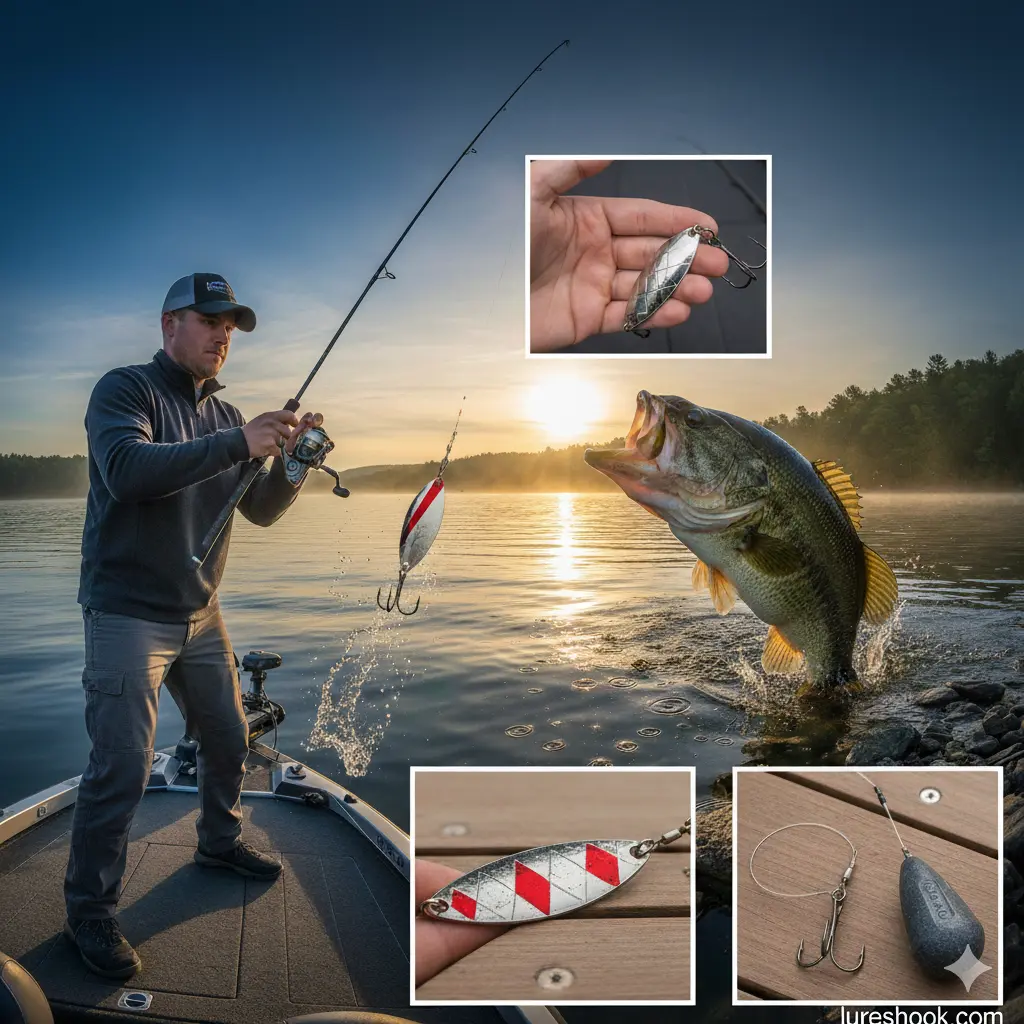
Imagine casting a lifelike swimbait parallel to a deep green wall of submerged vegetation, only to have it violently inhaled by a trophy-class bass. This isn’t just a fantasy; it’s the consistent reality for anglers who master the art of swimbait fishing weed edges. These underwater highways are where big fish hunt, ambush prey, and seek shelter, making them the single most productive areas in many lakes and reservoirs. This comprehensive guide will transform your approach, teaching you how to read these edges, select the perfect swimbait, and apply proven techniques to consistently catch bigger fish.
We’ll move beyond basic casts and explore the nuances that separate novice anglers from seasoned experts. You’ll learn the step-by-step process for dissecting a weed line, understand the key benefits of this targeted approach, and discover advanced strategies for 2024 and beyond. Whether you’re just starting with swimbait grass fishing or looking to refine your skills, this article provides the actionable insights needed to turn a good day on the water into an unforgettable one.
Table of Contents
- What is swimbait fishing weed edges?
- Key Benefits and Importance
- Complete Step-by-Step Guide
- Expert Tips & Best Practices
- Common Mistakes to Avoid
- Advanced Strategies for 2024/2025
- Essential Tools & Resources
- Frequently Asked Questions
What is swimbait fishing weed edges?
Swimbait fishing weed edges is a specialized angling technique that involves methodically casting and retrieving swimbait lures along the defined borders where aquatic vegetation ends and open water begins. This transitional zone acts as a natural corridor and ambush point for predatory fish like largemouth bass. It is the art of presenting a realistic bait in the highest-percentage strike zone available in a grassy fishery.
This method goes beyond random casting over submerged plants. It requires precision and an understanding of how fish use these structures. Effective swimbait grass edge fishing focuses on a defined swimbait weed line, which can be a sharp, vertical wall of milfoil or a subtle tapering of coontail. Anglers target these swimbait vegetation edges because they offer bass the perfect combination of cover, shade, and access to baitfish. Mastering swimbait weed edge techniques means you can efficiently cover water along a productive swimbait grass line, making every cast count. This style of swimbait vegetation fishing is a proven big-fish pattern across the country.
Key Components
- The Edge Itself: This is the primary structure, the line between cover (weeds) and open water. Its benefit is concentrating fish into a predictable, linear path.
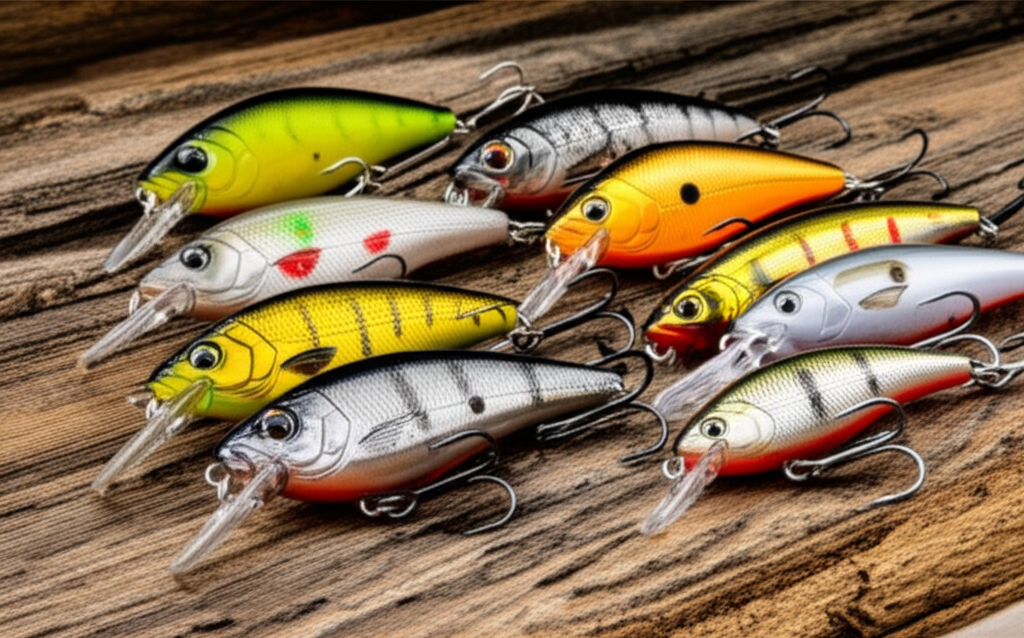
- The Swimbait: This is your tool—a lure designed to mimic baitfish. Examples include soft plastic paddle tails, hard-bodied glide baits, or multi-jointed swimbaits.
- The Presentation: This is your technique—how you position your boat and retrieve the lure. A parallel cast that keeps the swimbait in the strike zone longer is the most common application.
- Fish Behavior: This is the ‘why’—bass use these edges for ambushing prey. Understanding this insight helps you predict where a strike is most likely to occur, such as on points or inside turns of the swimbait vegetation line.
Why swimbait fishing weed edges Matters: Key Benefits
Focusing your efforts on swimbait fishing weed edges is not just another fishing tactic; it’s a strategic decision that significantly increases your odds of success. Studies on bass behavior show they spend a disproportionate amount of their time relating to edges, as it provides a distinct tactical advantage for feeding. This approach allows you to eliminate unproductive water and focus entirely on areas with the highest probability of holding fish, especially larger, dominant bass.
Concentrates Predator Fish
Aquatic vegetation provides a sanctuary for baitfish and a hunting ground for predators. The swimbait weed line is the intersection of these two worlds. Bass can lurk just inside the cover, invisible to passing prey, and dart out to ambush them in the open water. A real-world example is a summer pattern where bass suspend just off a deep milfoil edge. By running a swimbait right along that border, you are presenting your lure to the most aggressive and actively feeding fish in the entire weed bed. This is the core of effective swimbait grass edge tactics.
Increases Efficiency and Big-Fish Potential
Instead of aimlessly casting across a vast weed flat, targeting the swimbait weed edges provides a clear, fishable path. You can use your electronics to follow the edge precisely, ensuring every cast is in a high-percentage zone. This efficiency is critical in tournaments or on recreational trips with limited time. Furthermore, the largest bass in a system often claim the most strategic ambush points, which are invariably the points, turns, and clumps found along a prominent swimbait grass line. Throwing a large, realistic swimbait in these areas appeals directly to the diet of these trophy-class fish.
“The weed edge is the lifeblood of any healthy fishery. It’s a buffet line for bass, and the swimbait is the one lure that perfectly imitates every item on the menu. If you learn to fish that line, you’ll never have a bad day.”
Complete Guide to swimbait fishing weed edges – Step-by-Step
Successfully executing swimbait fishing weed edges involves a methodical process from preparation to presentation. Following these steps will build a strong foundation and help you approach any body of water with confidence. This is where theory translates into tight lines and memorable catches.
Step 1: Locate and Analyze the Weed Edge
Before you even make a cast, you must find the right kind of weed edge. Not all vegetation is created equal. Use your electronics (side imaging is a game-changer here) or polarized sunglasses to find a distinct, defined swimbait weed line. Look for irregularities like points, inside turns, or isolated clumps, as these are natural ambush points. Also, pay attention to the type of weed (e.g., milfoil, coontail, hydrilla) and its health—green, crisp vegetation is best as it produces more oxygen.
- Specific action item: Use your boat’s trolling motor to trace the edge, dropping waypoints on your GPS for key features like points, gaps, or changes in weed density.
- Required tools or resources: A boat with a quality fish finder (especially with side imaging/scanning), a GPS unit or mapping app, and high-quality polarized sunglasses.
- Expected outcome: You will have a clear, “fishable” path identified, with specific high-percentage spots marked for targeted casts.
Step 2: Select the Right Swimbait and Gear
Your swimbait choice depends on water clarity, depth of the edge, and the primary forage. In clear water, natural colors like shad or bluegill are ideal. In stained water, brighter colors like chartreuse can be more effective. For shallow swimbait vegetation edges (1-5 feet), a weedless, keel-weighted soft plastic swimbait is perfect. For deeper edges (6-15 feet), a heavier jig head or a slow-sinking hard-bodied swimbait may be better. Pair your lure with a stout rod (7’3\” to 7’11\” medium-heavy to heavy power) and a strong line (15-20 lb fluorocarbon or 40-50 lb braid).
Step 3: Position Your Boat and Execute the Cast
Boat positioning is arguably the most critical element of swimbait fishing weed edges. Your goal is to make parallel casts that keep your swimbait in the strike zone for the entire retrieve. Position your boat a long cast away from the weed edge, parallel to it. This allows you to retrieve your swimbait along the edge, not across it. Make a long cast ahead of the boat’s direction of travel. As the lure lands, begin a slow, steady retrieve, using the reel handle to control the speed. You want the swimbait to swim just outside the grass, enticing fish to come out and strike.
Expert Tips & Best Practices for swimbait fishing weed edges
Adhering to best practices will dramatically accelerate your learning curve and improve your results. The nuances of retrieve speed, angle, and lure modification can make all the difference. These tips apply to all forms of swimbait vegetation fishing, from sparse grass to thick mats.
For Beginners:
- Start with a Weedless Swimbait: Begin with a 5-inch soft plastic paddle tail swimbait rigged on a 1/4 oz weighted, wide-gap hook. This setup is highly weed-resistant, allowing you to learn the feel of the retrieve without constantly snagging.
- Maintain a Steady Retrieve: The most common mistake is retrieving too fast. A slow, steady retrieve that allows the swimbait’s tail to kick naturally is often the most effective. Try to visualize the lure swimming just above or alongside the swimbait grass line.
- Focus on Windy Days: Wind pushes baitfish against weed edges and breaks up the water’s surface, making bass less wary. A slight chop on the water is a prime condition for swimbait fishing weed edges.
For Advanced Users:
- Implement Cadence Variations: Instead of a steady retrieve, incorporate pauses, twitches, or quick burns. Letting a soft swimbait flutter down next to a grass clump on a pause can trigger a reaction strike from a non-committal bass. This is a key part of advanced swimbait weed edge techniques.
- Target the ‘Shadow Line’: On sunny days, the weed edge casts a distinct shadow. Bass will often sit right on this shadow line. Precisely casting your swimbait so it travels along this faint line can be incredibly effective, especially during midday hours.
5 Common swimbait fishing weed edges Mistakes to Avoid
Success in swimbait fishing weed edges is often about what you *don’t* do. Avoiding these common pitfalls will keep your lure in the water longer and in front of more fish. Many anglers give up on this technique because of these simple, correctable errors.
Mistake #1: Casting Perpendicular to the Edge
The Problem: When you cast directly at the weed edge from open water, your lure is only in the strike zone for a few feet of the retrieve. This dramatically reduces your chances of a bite.
The Solution: Always prioritize parallel casts. Position your boat so you can cast down the length of the swimbait weed line, keeping your lure in the most productive water for as long as possible.
Mistake #2: Using the Wrong Gear
The Problem: A rod that’s too light won’t cast larger swimbaits effectively and lacks the power to pull a big fish out of the weeds. Similarly, a line that’s too light risks breaking on the hookset or during the fight.
The Solution: Invest in a dedicated swimbait setup. A 7’6\” heavy-power, moderate-fast action rod with 17-20 lb fluorocarbon line is a versatile choice for most swimbait grass fishing scenarios.
Mistake #3: Ignoring Irregularities in the Weed Line
The Problem: Fishing a perfectly straight weed edge without paying attention to subtle changes is a missed opportunity. Bass are ambush predators and relate to cover that gives them an advantage.
The Solution: Use your electronics and your eyes to find points, pockets, inside turns, or areas where the grass is thicker or thinner. These subtle differences in the swimbait vegetation line are where 90% of the bites will occur.
Mistake #4: Retrieving at a Single, Monotonous Speed
The Problem: A swimbait moving at the same speed for the entire cast can look unnatural. Baitfish rarely swim in a perfectly straight line at a constant velocity.
The Solution: Vary your retrieve. Add brief pauses, quick turns of the handle, or slight rod twitches. This erratic action mimics a panicked or injured baitfish and can trigger aggressive strikes.
Mistake #5: Setting the Hook Too Early
The Problem: A bass often engulfs a swimbait from behind. Setting the hook at the first tap or sign of pressure can pull the lure right out of its mouth.
The Solution: Wait until you feel the weight of the fish and see your line moving sideways. Reel down to remove any slack, then sweep the rod firmly to the side for a solid hookset.
Advanced swimbait fishing weed edges Strategies for 2024/2025
As technology and techniques evolve, so does our approach to swimbait fishing weed edges. These cutting-edge strategies are for anglers looking to gain a competitive edge by leveraging modern tools and a deeper understanding of fish behavior.
Utilizing Forward-Facing Sonar (FFS)
Forward-facing sonar like Garmin LiveScope or Lowrance ActiveTarget has revolutionized swimbait grass edge fishing. Instead of casting blindly down an edge, you can now scan ahead, identify individual fish relating to the swimbait grass line, and make a precise cast to them. You can watch the fish react to your swimbait in real-time, allowing you to adjust your retrieve speed or cadence to trigger a strike. For implementation, set your FFS range to 60-80 feet and pan slowly along the edge until a target appears. Make a cast past the fish and bring the lure right into its line of sight.
‘Strolling’ Glide Baits Along Deep Edges
This advanced technique is deadly on deep, defined weed walls in clear water. Position your boat directly over the weed edge and use your trolling motor on a very low speed to ‘stroll’ or long-line a slow-sinking glide bait behind the boat. Let out 80-100 feet of line so the bait runs naturally at the depth of the weed tops. This presents the glide bait in a hyper-realistic manner over long distances, covering water and showing it to every fish holding on that deep swimbait vegetation edge.
Essential Tools & Resources for swimbait fishing weed edges
Having the right equipment is non-negotiable for effective swimbait fishing weed edges. This isn’t a technique for light-tackle finesse; it requires gear built to handle large lures and powerful fish. Here are the essentials.
Recommended Tools:
- Dedicated Swimbait Rod: A rod between 7’6\” and 8’0\” with a heavy or extra-heavy power and a moderate-fast action. This provides the length for long casts and the parabolic bend to absorb the shock of a strike on a no-stretch line.
- High-Capacity Casting Reel: A 200 or 300-size baitcasting reel with a smooth drag system and a moderate gear ratio (e.g., 6.4:1). This gives you the power to winch fish from cover without retrieving the lure too quickly.
- Weedless Swimbait Hooks: Owner Beast Hooks or similar screw-lock, wide-gap weighted hooks are essential for rigging soft plastic swimbaits. They ensure the bait runs true and remains snag-free when ticking the top of the swimbait weed edges.
Additional Resources:
- Lake Mapping Apps (Navionics, C-MAP): These apps provide detailed contour maps that often show large weed flats. You can use them at home to pre-plan your day and identify promising swimbait vegetation edges before you even launch the boat.
- Polarized Sunglasses: A high-quality pair of polarized glasses is crucial. They cut through surface glare, allowing you to visually identify the weed line, see submerged clumps, and even spot following fish.
Frequently Asked Questions About swimbait fishing weed edges
Q1: What is the best time of day for swimbait grass edge fishing along a defined swimbait weed line?
Answer: The low-light periods of early morning and late evening are traditionally prime times for swimbait grass edge fishing. During these times, bass are more active and roam the swimbait weed line looking for an easy meal. However, don’t overlook midday, especially on windy or overcast days. A well-defined swimbait vegetation line can provide enough shade and cover to hold active fish all day long, making it a reliable pattern from dawn till dusk.
Q2: How deep should the weed edge be?
Answer: The ideal depth varies by season and lake. In spring, focus on shallower edges in 2-6 feet of water as bass move up to spawn. In the summer and fall, deeper swimbait weed edges in 8-20 feet of water are often more productive, as they provide access to cooler, more stable water temperatures. The key is finding the healthiest, greenest vegetation, regardless of the specific depth.
Q3: Should I use a soft swimbait or a hard swimbait?
Answer: This depends on the density of the cover. Soft plastic swimbaits rigged weedless are superior for fishing in and around dense or topped-out swimbait vegetation edges because they resist snagging. Hard swimbaits, like glide baits or multi-jointed lures, excel along sparse or deep, clean weed walls where open water allows their full range of motion to draw strikes from a distance.
Q4: What do I do if I’m not getting bites?
Answer: First, slow down. Most anglers fish swimbaits too fast. Second, change your lure color or size to better match the local forage. Third, and most importantly, keep moving. Don’t spend more than 15-20 minutes on a stretch of weed edge without a bite. Use your trolling motor to find a new section with a different characteristic, like a sharper point or a deeper trough alongside it.
Conclusion: Master swimbait fishing weed edges for Long-term Success
The art of swimbait fishing weed edges is a journey of precision, patience, and observation. By understanding how to locate and dissect these underwater highways, you elevate your angling from a game of chance to a calculated pursuit. We’ve covered the essential steps, from finding the right edge and selecting the proper gear to applying advanced, modern swimbait weed edge techniques.
As you move forward, remember that every weed edge tells a story. Learning to read the subtle points, gaps, and changes in the swimbait grass line will consistently lead you to more and bigger fish. This approach isn’t just a fleeting trend; it’s a foundational skill set for any serious bass angler. Embrace the process, avoid the common pitfalls, and you will unlock a new level of success in your swimbait vegetation fishing adventures for years to come.
Related Articles You Might Find Helpful:
- Advanced Swimbait Grass Edge Tactics for Clear Water
- How to Choose the Perfect Swimbait Rod and Reel
- Using Forward-Facing Sonar to Dominate the Swimbait Weed Line
What’s Your swimbait fishing weed edges Experience?
Have you had a memorable catch using this technique? Or is there a specific challenge you face when fishing a swimbait grass line? Share your stories, questions, and best tips in the comments below!
Note: This guide reflects current best practices and is updated regularly to ensure accuracy. Last updated: 2024-10-27