Mastering Topwater Fishing Early Morning: Your Complete Guide
Imagine the crisp morning air, a mirror-smooth lake, and then—BOOM!—a massive explosion on the surface as a hungry predator smashes your lure. This thrilling scenario is the essence of topwater fishing early morning, a technique revered by anglers for its exhilarating visual strikes and often incredible results. If you’ve ever dreamt of experiencing explosive strikes and consistent catches right as the sun peeks over the horizon, you’re in the right place. This comprehensive guide will arm you with the knowledge and strategies to transform your early morning fishing into unforgettable adventures, solving the common challenge of knowing exactly how to capitalize on this prime fishing window.
We’ll dive deep into everything from selecting the perfect lures for topwater dawn fishing to mastering retrieve techniques that entice even the most wary fish during the first light. You’ll learn the unique advantages of a topwater morning bite and discover advanced topwater sunrise tactics that put you ahead of the game. Prepare to elevate your angling skills and consistently hook into quality fish when others are still hitting the snooze button.
Table of Contents
- What is topwater fishing early morning?
- Key Benefits and Importance
- Complete Step-by-Step Guide
- Expert Tips & Best Practices
- Common Mistakes to Avoid
- Advanced Strategies for 2024/2025
- Essential Tools & Resources
- Frequently Asked Questions
What is topwater fishing early morning?
Topwater fishing early morning is a specialized angling technique focused on targeting fish by presenting lures that float and work entirely on the water’s surface, specifically during the hours around dawn and shortly after sunrise. This method capitalizes on unique biological and environmental factors that make fish more active and willing to strike at the surface during this time.
This approach isn’t just about catching fish; it’s about experiencing the raw power of a surface strike, making it incredibly exciting. When you engage in topwater dawn fishing, you’re tapping into a brief but highly productive window. Anglers often refer to this as the topwater morning bite, a period when predators are actively hunting shallow waters before the sun gets high. Understanding topwater sunrise fishing involves recognizing how light levels and water temperatures influence fish behavior. It’s a prime time for topwater early day action because low light provides excellent ambush conditions for fish, making surface presentations highly effective. Mastering topwater first light techniques requires patience and a keen eye for subtle disturbances. Many dedicated anglers follow specific topwater morning patterns, adapting their presentations based on prevailing conditions. Effective topwater sunrise tactics often involve slower retrieves and varied lure choices, while precise topwater dawn techniques focus on mimicking natural prey. Ultimately, this comprehensive topwater morning guide aims to simplify topwater early fishing for everyone, from novice to expert.
Key Components
- Low Light Conditions: Fish feel more secure hunting in shallow water without direct sunlight, increasing their willingness to strike at the surface.
- Surface Lures: Baits like poppers, walkers, frogs, and buzzbaits designed to create commotion and mimic struggling prey on the water’s surface.
- Predator Behavior: Many game fish (bass, pike, musky, redfish) are visually oriented predators that actively hunt baitfish or insects on the surface during cooler, low-light periods.
- Strategic Retrieves: Specific cadences and movements of the lure designed to attract attention and trigger an aggressive strike from nearby fish.
Why topwater fishing early morning Matters: Key Benefits
Topwater fishing early morning is not just a preference; it’s often the most productive and exciting way to target fish during a specific window. This period offers unparalleled advantages that significantly increase your chances of success and provide memorable angling experiences. Studies show that metabolic rates in many freshwater fish are highest during dawn and dusk, coinciding perfectly with the prime topwater bite.
Explosive Strikes and Visual Thrill
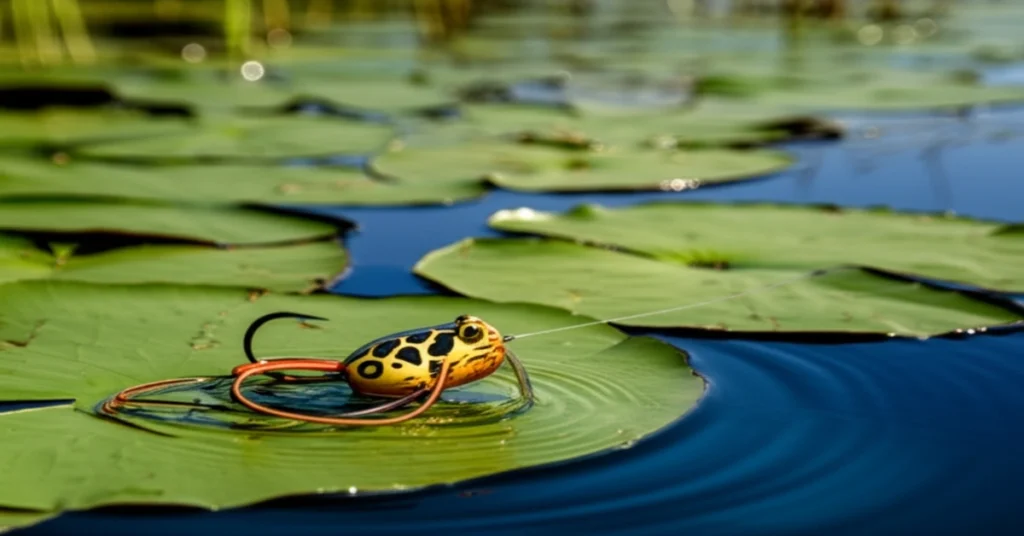
There’s nothing quite like seeing a fish violently erupt through the water’s surface to engulf your lure. This visual spectacle is the primary draw for many anglers. Unlike subsurface bites, where you only feel a tug, topwater fishing provides an immediate, heart-pounding visual confirmation of the strike. For example, a largemouth bass exploding on a frog bait near lily pads at topwater first light is an experience that hooks anglers for life, making the topwater morning bite legendary.
Access to Aggressive, Actively Feeding Fish
During the early morning, especially topwater sunrise fishing, fish are typically more aggressive and actively feeding. The cooler water temperatures and lower light levels encourage them to move into shallower areas where they can ambush baitfish or insects that have been active overnight. This translates to more strikes and often, larger fish. The fish haven’t been pressured yet, making them less wary than later in the day.
“The early morning topwater bite isn’t just a window of opportunity; it’s an open invitation to experience fishing at its most primal and exciting. The fish are less pressured, more aggressive, and willing to commit to a surface presentation.”
Complete Guide to topwater fishing early morning – Step-by-Step
Mastering topwater fishing early morning involves a systematic approach, from selecting the right gear to executing perfect retrieves. Follow these steps to maximize your chances of success.
Step 1: Gear Selection and Preparation
Before you even cast, having the right setup is crucial for effective topwater early fishing. A medium-heavy to heavy action rod (6’6″ – 7’6″) is ideal for casting larger topwater baits and has the backbone to set hooks firmly and pull fish out of cover. Pair it with a baitcasting reel (6.1:1 to 7.1:1 gear ratio) spooled with 30-50 lb braided line. Braid floats, cuts through weeds, and offers direct contact for solid hooksets, which is perfect for topwater dawn fishing. Don’t forget a good selection of topwater lures including poppers, walk-the-dogs, frogs, and buzzbaits.
- Specific action item: Select a rod and reel combo that matches the size of your chosen topwater lures and target fish.
- Required tools or resources: Medium-heavy rod, baitcasting reel, 30-50 lb braided line, diverse topwater lure selection.
- Expected outcome: A balanced setup that allows for accurate casting and powerful hooksets during the topwater morning bite.
Step 2: Identifying Prime Locations at First Light
Fish congregate in specific areas during topwater first light. Look for shallow cover such as lily pads, emergent grass beds, submerged timber, rock piles, docks, and points. These areas provide ambush points and foraging grounds for baitfish. The shady side of cover or structure will often hold more fish, as they seek refuge from the rising sun. Understanding typical topwater morning patterns helps immensely. Cast around these key areas, paying attention to current lines, eddies, and subtle depth changes. Fish will typically be positioned to intercept prey moving along these features.
Step 3: Mastering Retrieve Techniques for Topwater Sunrise Tactics
The retrieve is paramount in topwater fishing. Each lure type has its unique presentation. For poppers, a “pop-pause-pop” retrieve works best, mimicking a struggling baitfish. Walk-the-dog lures require a rhythmic rod twitch to create a side-to-side gliding action. Buzzbaits are meant for a steady, fast retrieve to keep them gurgling on the surface, making them excellent for covering water during topwater sunrise fishing. Frog lures need to be worked slowly and deliberately over and through cover, with long pauses. Vary your retrieve speed and pause duration until you find what triggers bites, as effective topwater sunrise tactics depend on adaptation. Remember, often, fish hit on the pause.
Expert Tips & Best Practices for topwater fishing early morning
To truly excel at topwater fishing early morning, adopting proven strategies and refining your approach is essential. These tips will help you convert more strikes into landed fish and maximize your time on the water during this prime period.
For Beginners:
- Focus on Poppers and Walkers First: These are generally easier to learn and master. Poppers provide immediate surface commotion, while walk-the-dog lures offer a classic, enticing action. Perfecting these will build confidence for more complex topwater dawn techniques.
- Observe the Water and Conditions: Pay attention to baitfish activity, water clarity, temperature, and current. These factors dictate fish location and aggression. If you see baitfish jumping, it’s a sure sign predators are nearby.
- Practice Your Cadence: Consistency in your retrieve is key. Practice in open water to get a feel for how each lure moves. Then, vary your pauses and twitches to see what draws strikes during topwater early fishing.
For Advanced Users:
- Match the Hatch (Even on Top): While topwater is less about perfect imitation, size and general profile matter. If you see small baitfish, use smaller poppers; if there are frogs, use frog baits. Mimic the struggling action of the dominant prey species.
- Use Scent and Feathered Trebles: Adding a scent to your topwater lures can provide an extra attractant, especially in stained water or for wary fish. Replacing plain trebles with feathered ones can add visual appeal and a pulsating action that can tempt hesitant biters, particularly during a slow topwater morning bite.
5 Common topwater fishing early morning Mistakes to Avoid
Even seasoned anglers can make mistakes that diminish their success when topwater fishing early morning. Avoiding these common pitfalls can dramatically improve your hook-up ratio and overall experience.
Mistake #1: Setting the Hook Too Early
The Problem: The visual spectacle of a topwater strike is so exhilarating that anglers often react instinctively by setting the hook as soon as they see the splash. This frequently results in pulling the lure away from the fish before it has fully engulfed it. You’ve seen the strike, but the fish might have only swiped at it or missed.
The Solution: Resist the urge! Instead, wait until you feel the weight of the fish on your line before sweeping your rod to set the hook. A good rule of thumb is to count “one thousand one, one thousand two” after the splash, or simply wait until you feel the pressure. This allows the fish to fully commit to the lure, leading to more solid hookups for topwater sunrise fishing.
Mistake #2: Not Varying Your Retrieve
The Problem: Many anglers get into a monotonous retrieve pattern. While consistency is good, fish can become accustomed to a predictable presentation or simply prefer a different cadence on a given day, especially during the fickle topwater morning bite.
The Solution: Experiment constantly. Vary your pause length, retrieve speed, and the intensity of your pops or twitches. Sometimes a long pause is key, other times a faster, more erratic retrieve. Let the fish tell you what they want. Adaptability is crucial for successful topwater morning patterns.
Mistake #3: Using the Wrong Line
The Problem: Using monofilament line, which stretches and floats, can hinder hooksets and reduce sensitivity for topwater fishing early morning. Fluorocarbon sinks and can pull your topwater lure under the surface, ruining its action.
The Solution: Opt for braided line for nearly all topwater applications. Its zero stretch ensures powerful, immediate hooksets, and its buoyancy keeps your lure riding high. A 30-50 lb braid also has excellent abrasion resistance, vital when fishing around heavy cover, enhancing your topwater dawn techniques.
Advanced topwater fishing early morning Strategies for 2024/2025
For those looking to push their topwater fishing early morning game to the next level, these advanced strategies integrate modern insights and techniques to outsmart even the most pressured fish. Staying ahead of the curve in 2024/2025 means leveraging nuanced approaches.
The “Dead Stick” Approach After the Initial Cast
One of the most effective yet underutilized advanced topwater sunrise tactics is the dead stick. After your initial cast, especially with a walking bait or a frog, let the lure sit completely still on the surface for an extended period – sometimes 10, 20, or even 30 seconds. This mimics a stunned or injured baitfish. Many trophy fish, particularly in clear water or during slower topwater morning patterns, will inspect the motionless lure before finally committing. The key is extreme patience; the strike often happens when you least expect it, turning a seemingly quiet moment into an explosive event. This method is particularly potent in areas with low fishing pressure or when fish are lethargic.
Utilizing Micro-Topwaters and Subtle Presentations
While big, loud lures get attention, sometimes the conditions, particularly clear water or intense fishing pressure, call for a more finessed approach to topwater fishing early morning. Incorporating micro-topwaters (smaller poppers, tiny walking baits, or even small insect imitations) can be incredibly effective. These lures, often fished on spinning gear with lighter braid, mimic smaller prey items and create less disturbance, making them perfect for finicky fish during topwater first light. Focus on precise casts and very subtle twitches, just enough to make the lure wiggle or create a tiny ripple. This advanced topwater early fishing technique often triggers strikes from fish that ignore larger, more aggressive presentations, offering a distinct advantage.
Essential Tools & Resources for topwater fishing early morning
Having the right tools and knowing where to find additional information can significantly enhance your topwater fishing early morning success. Equip yourself with these essentials to maximize your efficiency and enjoyment.
Recommended Tools:
- Topwater Lure Assortment: A diverse collection of poppers, walking baits, frog lures, and buzzbaits in various sizes and colors is crucial. Different lures excel in different conditions and appeal to different moods of fish.
- Fishing Pliers/Line Cutters: Essential for quickly and safely removing hooks, cutting line, and performing minor lure adjustments. A good pair is invaluable for efficiency during a hot topwater morning bite.
- Polarized Sunglasses: These are non-negotiable for spotting fish, identifying cover, and seeing subtle takes on your topwater lure. They cut glare, making it easier to read the water at topwater first light.
Additional Resources:
- Fishing Apps (e.g., Fishbrain, Navionics): These apps provide maps, weather forecasts, bite predictions, and user-submitted catch data, which can help identify productive topwater morning patterns and locations.
- Online Fishing Forums & YouTube Channels: A wealth of information, from specific topwater dawn techniques tutorials to local fishing reports and discussions on topwater sunrise tactics, is available from the angling community.
Frequently Asked Questions About topwater fishing early morning
Q1: What are the best lures for topwater dawn fishing, and how do I choose them for topwater sunrise fishing?
Answer: For topwater dawn fishing, poppers and walking baits are excellent choices due to their versatility and ability to create significant commotion or subtle action. Poppers, with their distinct “pop,” mimic a struggling baitfish, while walking baits, like a Heddon Super Spook, provide an enticing side-to-side glide. When considering topwater sunrise fishing, as the light gets brighter, buzzbaits become highly effective for covering water and creating a loud, aggressive presentation that can trigger the topwater morning bite. For heavy cover, such as lily pads or thick grass, weedless frog lures are indispensable for successful topwater early day action. Consult a good topwater morning guide for specific regional recommendations and to learn various topwater dawn techniques and topwater sunrise tactics. Look for insights into prevalent topwater morning patterns in your local waters. This approach makes topwater early fishing very productive, especially at topwater first light.
Q2: How does water clarity affect my topwater fishing early morning success?
Answer: Water clarity plays a significant role. In clear water, fish are more visually oriented, so natural colors and subtle presentations often work best. You might need to make longer casts to avoid spooking wary fish. In stained or muddy water, louder lures with more vibration and contrasting colors (like black or chartreuse) are more effective, as fish rely more on lateral line senses. The commotion of the lure becomes paramount in these conditions.
Q3: Is a specific line type better for topwater fishing early morning?
Answer: Absolutely. Braided line is hands-down the best choice for topwater fishing early morning. Its low stretch ensures a powerful, immediate hookset, which is crucial for surface strikes. Braid also floats, keeping your lure riding high, and its excellent abrasion resistance is invaluable when fishing around heavy cover where fish might try to bury themselves.
Q4: How important is patience when using topwater lures?
Answer: Patience is incredibly important. Many anglers work their topwater lures too fast, or they pull the lure away too quickly after a strike. Allowing your lure to sit for a few seconds after splashdown, and incorporating longer pauses between movements, can often entice hesitant fish to strike. Sometimes, the fish needs a moment to track the lure or gather courage before committing. Don’t rush the process, especially during the slower phases of the topwater morning bite.
Conclusion: Master topwater fishing early morning for Long-term Success
Topwater fishing early morning offers an unparalleled angling experience, blending visual thrill with the chance to catch actively feeding, aggressive fish. By understanding the unique advantages of the dawn period, selecting the right gear, and mastering various retrieve techniques, you can consistently enjoy explosive strikes and productive outings. Remember the critical components: patience, adaptability, and a keen eye for fish behavior during this prime window.
As we look to 2024/2025, the principles of topwater dawn fishing and topwater sunrise fishing remain timeless, but advanced topwater sunrise tactics and refined topwater dawn techniques continue to emerge. By applying this comprehensive topwater morning guide, you’re not just fishing; you’re actively engaging with topwater early day fish behavior, predicting topwater morning patterns, and capitalizing on the topwater morning bite from topwater first light. Embrace these insights, and your topwater early fishing adventures will become more successful and profoundly rewarding for years to come.
Related Articles You Might Find Helpful:
- Advanced Topwater Lure Selection for Topwater Dawn Fishing
- Understanding Fish Behavior During Low Light Conditions
- Maximizing Your Catch: The Best Seasons for Topwater Action
What’s Your topwater fishing early morning Experience?
Share your most memorable topwater fishing early morning stories, your go-to lure, or any challenges you’ve faced that you’d like advice on in the comments below!
Note: This guide reflects current best practices and is updated regularly to ensure accuracy. Last updated: July 29, 2024