Master Tube Fishing for Smallmouth Bass: The Ultimate Guide
Is there a more deceptively simple yet devastatingly effective lure for trophy smallmouth bass than a soft plastic tube? For decades, savvy anglers have relied on this unassuming bait to consistently fool the biggest, wisest brown bass in any system. The practice of tube fishing smallmouth bass is an art form, blending subtle presentations with a deep understanding of fish behavior. This guide is designed to eliminate the guesswork, providing a clear roadmap to mastering this essential technique.
We’ll dive deep into everything from selecting the right gear and colors to executing advanced presentations that trigger bites from pressured fish. Whether you’re a beginner looking to build confidence or a seasoned angler aiming to refine your approach, this comprehensive tube smallmouth guide will provide the actionable insights you need. Prepare to transform that simple piece of plastic into your most reliable weapon for catching giant smallies.
Table of Contents
- What is tube fishing smallmouth bass?
- Key Benefits and Importance
- Complete Step-by-Step Guide
- Expert Tips & Best Practices
- Common Mistakes to Avoid
- Advanced Strategies for 2024/2025
- Essential Tools & Resources
- Frequently Asked Questions
What is tube fishing smallmouth bass?
Tube fishing smallmouth bass is the specialized angling practice of using soft, hollow-bodied, tentacled plastic lures, known as tubes, to target and catch smallmouth bass. This technique capitalizes on the tube’s unique spiraling fall and its uncanny ability to mimic the primary forage of smallmouth: crayfish and baitfish like gobies or sculpins.
This method is far more than just casting and reeling; it encompasses a wide range of sophisticated tube smallmouth techniques and strategies. Effective tube brown bass fishing requires understanding specific tube smallmouth patterns related to season and structure. By mastering various tube smallmouth presentations, from slow dragging to aggressive snapping, anglers can adapt to the fish’s mood. This comprehensive tube smallmouth guide will break down all the essential tube smallmouth strategies and tube smallmouth tactics needed for success.
Key Components
- The Tube Lure: A hollow, cylindrical soft plastic bait with a solid head and a skirt of tentacles. Its design creates a unique, erratic gliding and spiraling action as it falls, which is irresistible to predatory fish.
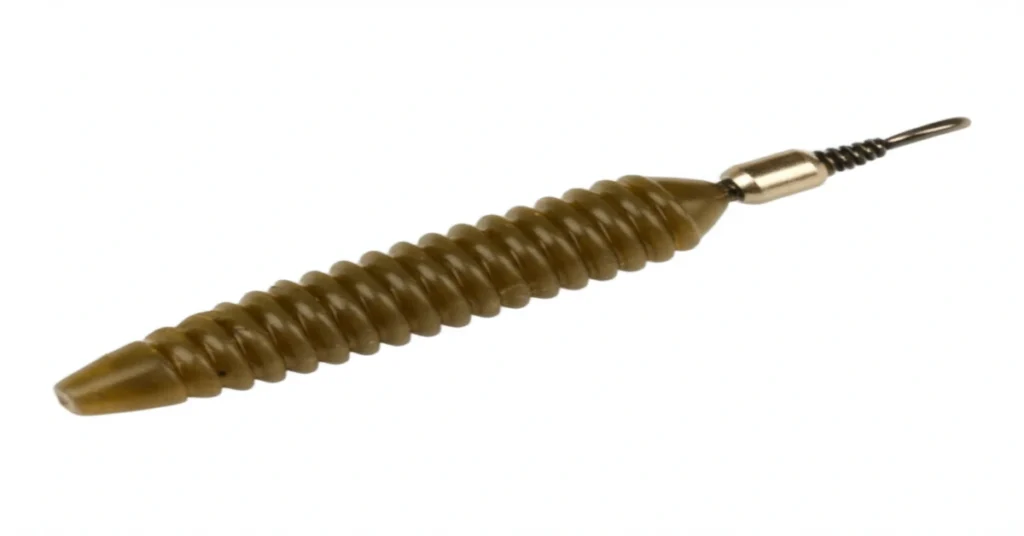
- The Jig Head: Typically an internal lead head inserted into the tube’s cavity. The weight and head shape are critical, dictating the fall rate and action of the lure.
- The Rigging: The process of pairing the jig head with the tube. Proper rigging ensures the bait is balanced, runs true, and maximizes hook-up potential.
- The Presentation: This is how the angler imparts action to the lure. It can range from a subtle drag-and-pause to a sharp snap-and-fall, depending on the conditions and the smallmouth’s activity level.
Why tube fishing smallmouth bass Matters: Key Benefits
In a world of complex and expensive lures, the humble tube remains a dominant force, particularly in clear-water fisheries across North America. Its continued success isn’t an accident; it’s a result of its unique design and profound versatility. For serious smallmouth anglers, mastering tube smallie fishing isn’t just an option—it’s a necessity for consistent, high-level results.
Unmatched Forage Imitation
The primary reason for the tube’s effectiveness is its near-perfect imitation of a smallmouth’s favorite foods. When dragged along a rocky bottom, its profile and kicking tentacles perfectly mimic a fleeing crayfish. When falling through the water column, its compact shape and subtle action are a dead ringer for an invasive round goby or a native sculpin. This realism makes it incredibly effective on educated, pressured bass that have seen countless other lure types.
Ultimate Versatility
A tube is not a one-trick pony. The same bait can be fished in countless ways, making it adaptable to nearly any situation. It can be dragged slowly on deep flats, snapped aggressively off ledges, pitched into shallow cover, skipped under docks, or even fished vertically for suspended fish. This adaptability means you can cover water and change your presentation without ever needing to retie, saving valuable time on the water. The variety of tube smallmouth presentations is a key benefit.
“If I could only have one soft plastic for smallmouth bass for the rest of my life, it would be a 3.5-inch tube. Nothing else mimics both a crayfish and a goby so perfectly, and its spiraling fall triggers a predatory response that other baits just can’t replicate.”
Complete Guide to tube fishing smallmouth bass – Step-by-Step
Following a systematic approach is the fastest way to build confidence and see results with this technique. This step-by-step process breaks down the fundamentals of tube fishing smallmouth bass, from gear selection to the perfect cast and retrieve.
Step 1: Selecting the Right Gear
Your equipment is the foundation of successful tube fishing. A balanced setup enhances sensitivity, allowing you to feel subtle bites and changes in bottom composition, which is critical for this bottom-contact technique.
- Rod: A 7′ to 7’4″ medium-light or medium power spinning rod with a fast action is ideal. The length aids in long casts and line control, while the fast tip provides the sensitivity to detect bites and the backbone for a solid hookset.
- Reel: A quality 2500 or 3000-size spinning reel with a smooth drag system is essential. The drag protects your light line from breaking when a powerful smallmouth makes a sudden run.
- Line: 6 to 10-pound fluorocarbon line is the standard choice. It’s virtually invisible underwater, highly abrasion-resistant for fishing around rocks, and has low stretch for superior sensitivity.
Step 2: Rigging the Tube Correctly
An improperly rigged tube will spin unnaturally and lead to line twist and poor action. The most common and effective method is using an internal tube jig. Start by moistening the jig head with saliva or water. Push the eyelet of the jig head into the hollow body of the tube until it reaches the solid head portion. Then, carefully push the hook eyelet through the plastic at the top of the tube’s head. The final result should be a straight, streamlined bait with the hook eyelet exposed and the hook point aligned with the body.
Step 3: Casting and Initial Presentation
The magic of the tube often happens on the initial fall. After making a long cast to your target—a rock pile, a drop-off, or a weed edge—it’s crucial to watch your line intently as the tube sinks. Keep a semi-slack line, allowing the tube to spiral and glide downward naturally. Many bites occur on this first drop. Once the tube hits the bottom, you’ll see your line go completely slack. Now you’re ready to work the bait back to the boat. A simple and effective starting retrieve is to slowly drag the tube a few feet across the bottom, pause for several seconds, and repeat.
Expert Tips & Best Practices for tube fishing smallmouth bass
Adhering to best practices can significantly shorten the learning curve and elevate your success. The nuances of tube fishing smallmouth bass are what separate casual anglers from true experts. These proven tube smallmouth tips will help you catch more fish.
For Beginners:
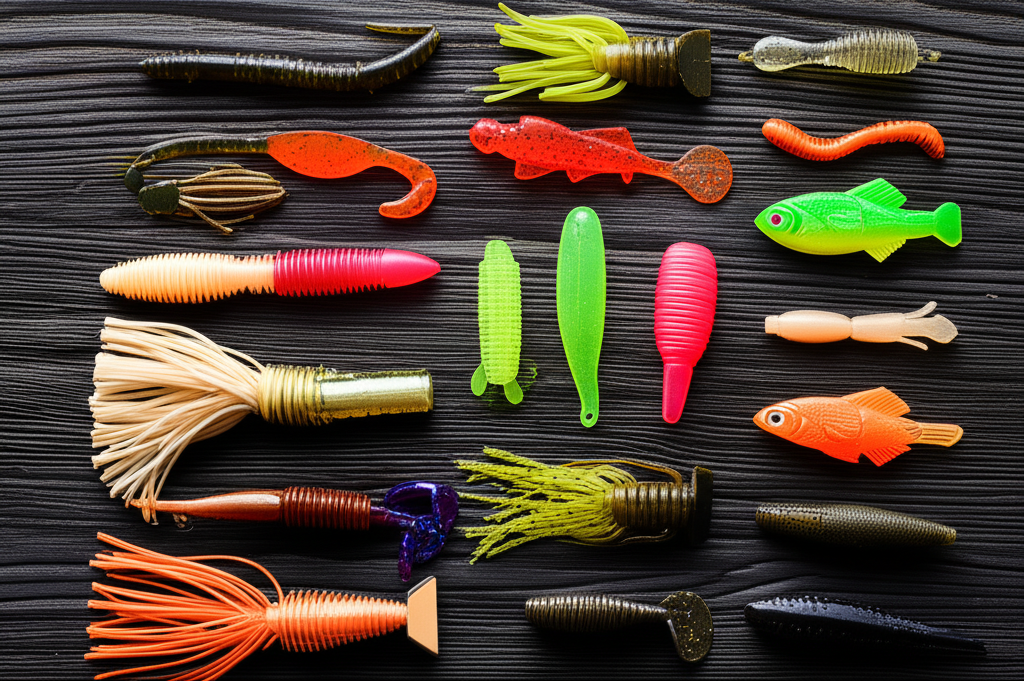
- Start with Natural Colors: You can never go wrong with green pumpkin, watermelon, or smoke variations. These tube smallmouth colors mimic natural forage and work in a wide range of water clarities.
- Feel for the Bottom: Concentrate on maintaining contact with the bottom. If you can’t feel the jig head ticking across rocks or dragging in sand, you may be using a weight that is too light for the depth or wind conditions.
- Let it Spiral: The signature action of a tube is its death spiral on a semi-slack line. After you cast, don’t immediately tighten up. Let the lure fall naturally, watching your line for any jumps or twitches that signal a bite.
For Advanced Users:
- Master the “Snap”: Instead of a slow drag, use a sharp, upward snap of the rod tip to make the tube jump erratically off the bottom. This triggers aggressive reaction strikes from less active fish. Let the tube fall back to the bottom on a slack line after the snap.
- Incorporate Swivels: To combat the inevitable line twist caused by the tube’s spinning action, tie a small, high-quality ball-bearing swivel about 18-24 inches above your lure. This is one of the most important advanced tube smallmouth tactics for anglers who fish tubes frequently.
5 Common tube fishing smallmouth bass Mistakes to Avoid
Success in tube fishing smallmouth bass is often about avoiding simple errors. These common mistakes can lead to frustrating, fishless days, but they are all easily correctable once you know what to look for.
Mistake #1: Using a Jig Head That’s Too Heavy
The Problem: A heavy jig head (e.g., 1/2 oz in 10 feet of water) causes the tube to plummet to the bottom, completely killing its signature gliding, spiraling action. This makes the bait look unnatural and far less appealing.
The Solution: Always use the lightest jig head you can get away with while still maintaining bottom contact. A 1/4 or 3/8 oz head is a versatile starting point for most depths from 10-30 feet. Lighter heads mean a slower, more natural fall and more bites.
Mistake #2: Overworking the Lure
The Problem: Anglers new to tubes often feel the need to constantly shake, hop, and jig the bait. Smallmouth are notorious for hitting a tube when it’s sitting perfectly still on the bottom, and excessive movement can spook them.
The Solution: Embrace the pause. After you drag or hop the tube, let it sit motionless for 5, 10, or even 15 seconds. This is often when a curious smallmouth will commit and eat the bait. Less is frequently more.
Mistake #3: Neglecting Line Watching
The Problem: Many tube bites, especially on the fall or during a pause, are incredibly subtle. They won’t feel like a classic “thump.” Anglers who only rely on feel will miss a significant number of fish.
The Solution: Become a dedicated line watcher. Any time your line jumps, ticks sideways, or tightens up unexpectedly, reel down and set the hook. High-visibility braided line with a fluorocarbon leader can make bite detection even easier.
Mistake #4: Incorrect Color Choices
The Problem: Using a bright, unnatural color in ultra-clear water or a dark color on an overcast day can reduce your bites. Matching the hatch and conditions is a crucial part of the tube smallmouth patterns.
The Solution: Follow a simple rule for tube smallmouth colors: In clear water, use natural, translucent colors (green pumpkin, smoke, watermelon). In stained water or on cloudy days, use solid, darker colors (black neon, june bug) for a better silhouette.
Mistake #5: A Weak Hookset
The Problem: Unlike the aggressive hookset needed for a Texas-rigged worm, a massive, hard hookset on a tube with an exposed hook can rip the bait right out of the fish’s mouth.
The Solution: Use a “reel-set” or a firm sweeping motion. When you detect a bite, quickly reel down to remove any slack and simply sweep the rod firmly to the side. This drives the hook home securely without tearing a large hole.
Advanced tube fishing smallmouth bass Strategies for 2024/2025
As angling pressure increases and technology evolves, so too must our techniques. These cutting-edge tube smallmouth strategies are designed for modern fisheries and tech-savvy anglers looking to gain an edge in 2024 and beyond.
Strolling and Moping with Forward-Facing Sonar
Forward-facing sonar (FFS) has revolutionized offshore fishing. A tube is a perfect bait for this technology. When you mark a suspended smallmouth or a group of fish on a deep flat, you can use your trolling motor to “stroll” or “mope” a tube vertically below the transducer. The tube’s subtle profile and gentle tentacle movement look incredibly natural on screen and are perfect for tempting neutral, suspended fish. This requires precise boat control and is one of the deadliest tube smallmouth presentations for open-water bass.
Power-Shotting a Tube
The Power-Shot is essentially a heavy-duty drop shot rig. Instead of a small finesse hook and worm, you use a 1/0 or 2/0 extra-wide gap (EWG) hook, a 3.5″-4″ tube, and a heavy 1/2 to 1 oz drop shot weight. This rig is exceptional for targeting deep smallmouth (30-50+ feet), especially in heavy current or wind. The heavy weight gets the bait down quickly and keeps it in the strike zone, while the tube hovers tantalizingly just above the bottom, separated from the weight.
Essential Tools & Resources for tube fishing smallmouth bass
Having the right tools and knowledge resources can make a significant impact on your tube fishing smallmouth bass success. Here are some essential items and resources to consider.
Recommended Tools:
- High-Quality Fluorocarbon Line: Brands like Seaguar InvizX or Sunline Sniper FC offer superior abrasion resistance and low visibility, which are critical for fooling line-shy smallmouth in clear water.
- Tungsten Tube Jigs: While more expensive than lead, tungsten heads are smaller for their weight, providing much greater sensitivity. This allows you to feel every pebble and subtle bite on the bottom.
- Scent Attractant: Smallmouth are highly scent-oriented. Applying a crayfish or baitfish-scented gel, like Pro-Cure or Megastrike, can make fish hold onto the bait longer, giving you more time for a solid hookset.
Additional Resources:
- Navionics or LakeMaster Mapping: High-definition lake maps are invaluable for identifying key smallmouth structures like deep rock piles, shoals, and points where tubes excel.
- Online Fishing Forums: Websites and forums dedicated to bass fishing are great places to learn about regional tube smallmouth patterns and hot tube smallmouth colors for specific bodies of water.
Frequently Asked Questions About tube fishing smallmouth bass
Q1: What are the most effective tube smallmouth techniques for different seasons?
Answer: Seasonal tube smallmouth techniques are critical. In spring, focus on slowly dragging tubes on gravel flats and points where smallmouth are staging to spawn. In summer, use more aggressive snaps and hops around deep rock piles and weed lines. During the fall, as bass feed heavily on baitfish, try swimming a tube with a lighter jig head to mimic a dying shad. Winter tube smallie fishing often requires a deadstick approach—letting the tube sit motionless on the bottom for extended periods near deep vertical structures.
Q2: What is the single best color for tube brown bass fishing?
Answer: If you could only have one color, it would be Green Pumpkin. This incredibly versatile color effectively mimics both crayfish and gobies in a wide variety of water clarities and light conditions. It’s the gold standard for a reason and a must-have in any angler’s arsenal of tube smallmouth colors.
Q3: How do I choose the right tube size?
Answer: The most common and versatile size for smallmouth is a 3.5-inch tube. However, it’s wise to match the hatch. If the local forage is small, downsize to a 2.75-inch model. If you’re targeting trophy-class fish or the primary forage is large, like adult crayfish or big sculpins, don’t be afraid to upsize to a 4-inch tube. This is a key part of effective tube smallmouth tactics.
Q4: My line gets twisted constantly. How can I stop this?
Answer: Line twist is the biggest frustration in tube fishing smallmouth bass. The best solution is to tie a small, high-quality ball-bearing swivel 18 to 24 inches above your tube, connected to a fluorocarbon leader. Another tip is to let your line out behind a moving boat for a minute at the end of the day; the water pressure will untwist it.
Conclusion: Master tube fishing smallmouth bass for Long-term Success
The tube is more than just a bait; it’s a complete system for catching smallmouth bass in any season and on any body of water. From its seductive spiral to its perfect imitation of key forage, its effectiveness is undeniable. By understanding the core principles of gear selection, rigging, and presentation, you can unlock the full potential of tube fishing smallmouth bass.
As you move forward, focus on mastering the subtle details—the long pauses, the line watching, and the art of the snap. By continuously refining your tube smallmouth techniques and adapting your tube smallmouth strategies, you will build a level of confidence and consistency that turns challenging days into memorable ones. Get out on the water, apply these tips, and discover why this simple lure has remained a smallmouth staple for generations.
Related Articles You Might Find Helpful:
- Advanced Drop Shot and Tube Smallmouth Tactics
- A Guide to Seasonal Smallmouth Bass Locations
- Choosing the Best Electronics for Offshore Fishing
What’s Your tube fishing smallmouth bass Experience?
What is your go-to tube color or your most effective retrieve? Share your best tips or biggest challenge with tube fishing in the comments below!
Note: This guide reflects current best practices and is updated regularly to ensure accuracy. Last updated: September 1, 2024