Master Spinner Fishing Gear: A Complete Guide
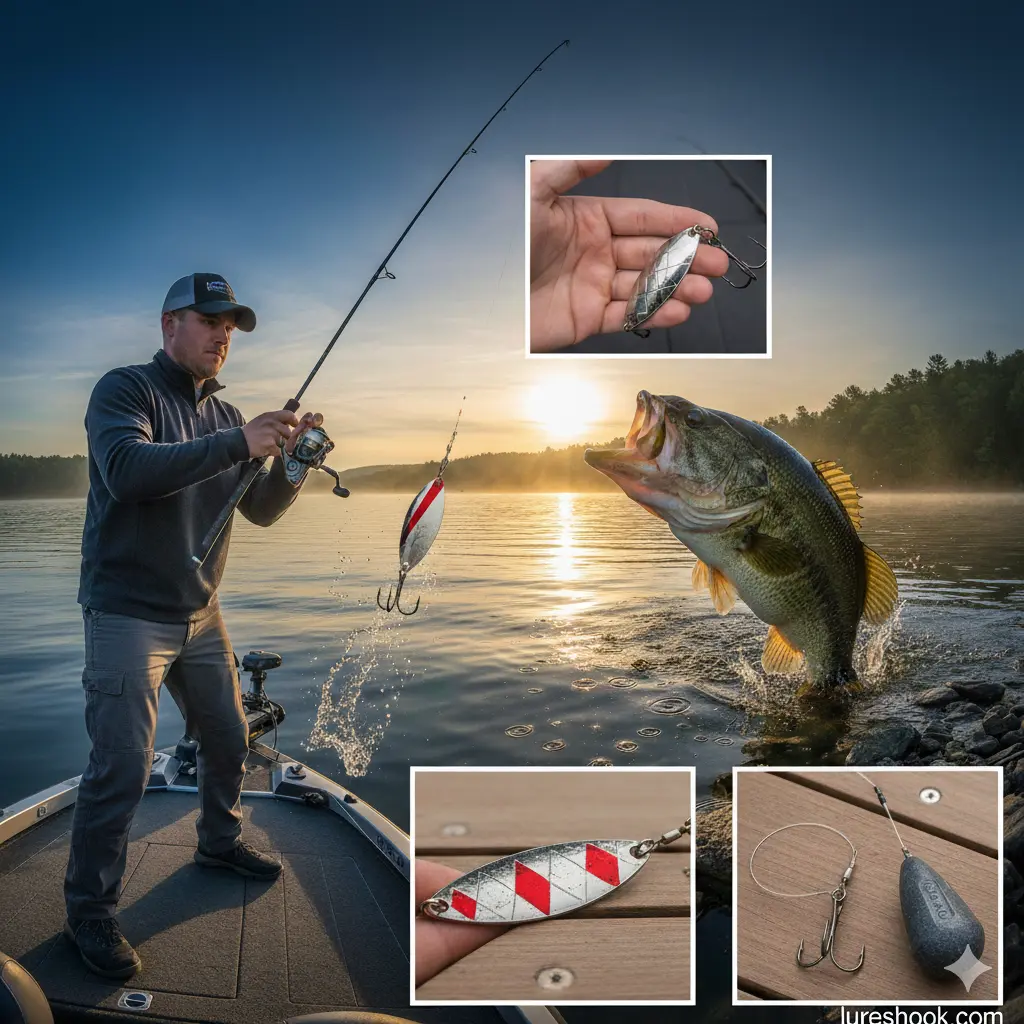
Imagine the flash of a silver blade slicing through the water, the sudden, jarring tug on your line, and the thrill of a hard-fought battle. This is the magic of spinner fishing, an incredibly effective and versatile method for catching everything from trout in a mountain stream to bass in a sprawling reservoir. The foundation of this success lies in understanding your spinner fishing gear. For many anglers, both new and experienced, the sheer volume of options can be overwhelming, leading to mismatched combos and missed opportunities. This guide demystifies the entire process, providing a clear roadmap to selecting, setting up, and mastering your equipment for consistent success on the water.
We’ll break down every critical component, from the rod’s flex to the reel’s retrieve speed, ensuring you can build a perfectly balanced system. Whether you’re making your first cast or looking to refine your existing setup, this comprehensive resource will provide actionable insights to elevate your angling game. Consider this your definitive manual for all things related to spinner fishing gear, designed to turn confusion into confidence and transform your time on the water.
Table of Contents
- What is spinner fishing gear?
- Key Benefits and Importance
- Complete Step-by-Step Guide
- Expert Tips & Best Practices
- Common Mistakes to Avoid
- Advanced Strategies for 2024/2025
- Essential Tools & Resources
- Frequently Asked Questions
What is spinner fishing gear?
Spinner fishing gear is a complete, balanced system of angling equipment designed around a spinning reel, which is characterized by its fixed spool and bail wire system. This setup is renowned for its ease of use in casting lightweight lures and its versatility across countless fish species and water types. A proper setup is more than just a random collection of parts; it’s a synergistic toolkit where each piece complements the others.
The core of any angler’s spinner equipment includes a specialized spinner fishing rod, a high-quality spinner fishing reel, and the appropriate spinner fishing line. This is all brought together with the right spinner fishing tackle, including the lures themselves, weights, and swivels. Understanding how to match the spinner rod action to your target technique, select the correct spinner reel ratio for lure presentation, and choose the right spinner line weight is fundamental. Furthermore, a well-tied spinner leader setup and sharp spinner hooks can be the difference between a fish in the net and a story about the one that got away. Perfecting your spinner fishing gear is the first step toward becoming a more effective angler.
Key Components
- Spinning Rod: The foundation of the system, designed with line guides on the underside to accommodate the spinning reel. Its length, power, and action determine casting distance and fish-fighting capability.
- Spinning Reel: The engine of the setup, mounted beneath the rod. It holds the line on a fixed spool and uses a bail to wrap line back on during the retrieve, minimizing line twist and backlashes.
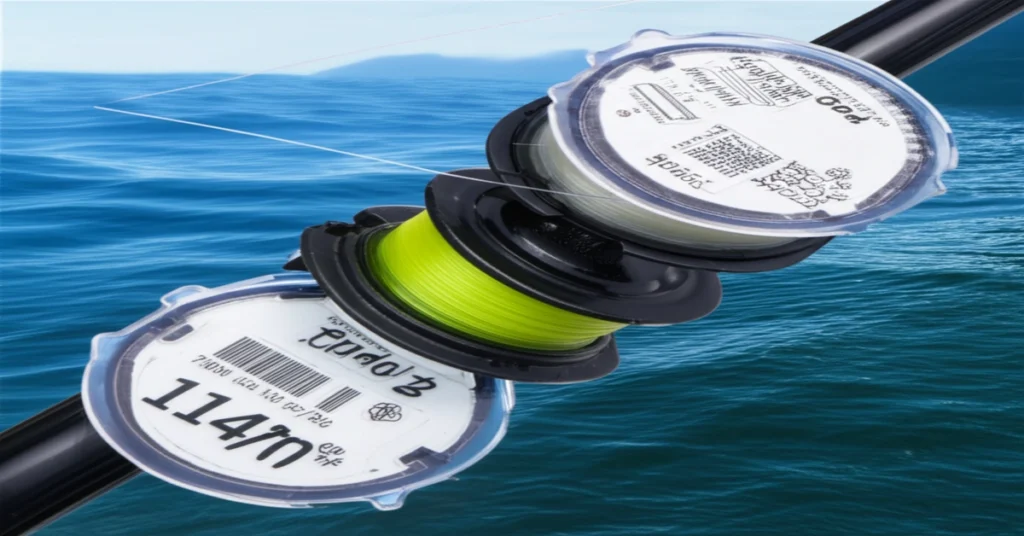
- Fishing Line: The connection between you and the fish. Options include monofilament, fluorocarbon, and braid, each with unique properties suited for different conditions and techniques.
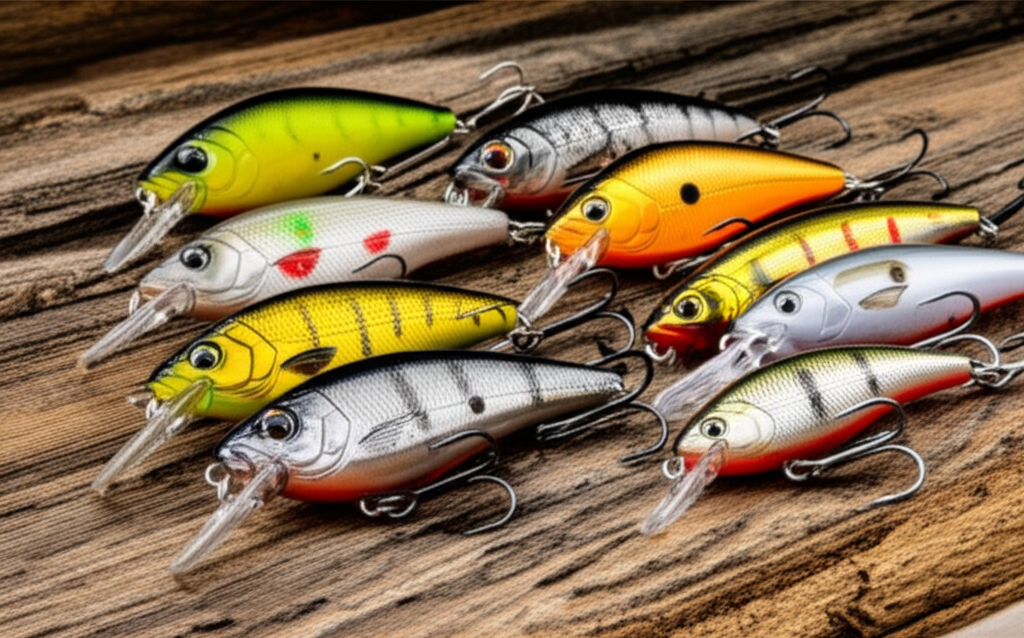
- Terminal Tackle: This includes everything at the end of your line. Lures (like inline spinners or spinnerbaits), hooks, swivels, and leaders are all part of the essential spinner fishing tackle you need.
Why spinner fishing gear Matters: Key Benefits
The enduring popularity of spinner fishing gear isn’t an accident; it’s a testament to its incredible effectiveness and adaptability. Studies on angler preferences consistently show that spinning setups are the most widely used type of fishing gear in North America, particularly for freshwater applications. This is because a well-balanced spinning combo can handle an enormous range of lure weights and fishing styles, from dropping a tiny grub for panfish to launching a large swimbait for pike.
Unmatched Versatility
The primary benefit of a spinning setup is its versatility. Unlike casting gear, which struggles with very light lures, a spinning reel excels at throwing them. The fixed-spool design allows the line to peel off effortlessly, enabling long, accurate casts with lures weighing as little as 1/32 of an ounce. This makes it the ideal choice for finesse techniques, live bait presentations, and fishing for line-shy species. A single quality set of spinner fishing gear can be used for trout, bass, walleye, crappie, and even inshore saltwater species with a simple change of lure or line.
Beginner-Friendly, Expert-Approved
For new anglers, spinning gear is the undisputed king. The design virtually eliminates the dreaded “backlash” or “bird’s nest” common with baitcasting reels, drastically reducing frustration and learning time. However, this ease of use doesn’t imply a lack of performance. Professional anglers rely on high-end spinner fishing gear for a huge portion of their tournament winnings, especially when finesse tactics are required. The sensitivity of a good graphite spinner fishing rod combined with a smooth drag system on a reel allows for subtle presentations and the power to land trophy fish on light line.
“The spinning setup is the Swiss Army knife of the fishing world. In the hands of a novice, it’s forgiving. In the hands of an expert, it’s a precision tool capable of surgical presentations that other gear simply can’t replicate.”
Complete Guide to Assembling Your spinner fishing gear – Step-by-Step
Building your first or next spinning combo is a straightforward process when you break it down into logical steps. A balanced setup ensures optimal performance, casting distance, and sensitivity. Follow this guide to assemble your spinner fishing gear correctly from the start.
Step 1: Selecting Your Core Components (Rod & Reel)
This is the most critical decision. Your rod and reel must be balanced in terms of size and weight. A small, ultralight reel on a heavy-duty rod will feel awkward and perform poorly, and vice-versa.
- Choose the Spinner Fishing Rod: Consider the length, power, and the spinner rod action. For general-purpose freshwater fishing (bass, walleye, trout), a 6’6″ to 7′ medium-power, fast-action rod is an excellent starting point. The fast action provides sensitivity for bite detection and a strong backbone for setting the hook.
- Choose the Spinner Fishing Reel: Match the reel size to the rod. Reel sizes are typically denoted by numbers like 1000, 2500, or 3000. For the aforementioned rod, a 2500 or 3000 size reel is a perfect match. Pay attention to the spinner reel ratio; a 6.0:1 ratio offers a good blend of speed and power for most applications.
- Expected Outcome: A rod and reel combination that feels comfortable and balanced in your hand, not too tip-heavy or butt-heavy.
Step 2: Spooling the Reel with the Right Line
With your combo selected, it’s time to add the line. The spinner fishing line you choose directly impacts casting, sensitivity, and strength. The correct spinner line weight is often printed on the rod itself, usually as a recommended range (e.g., “6-12 lb line”).
To spool the line, open the bail on your reel, tie the line to the spool arbor using an arbor knot, and close the bail. Pinch the line lightly with a cloth in your other hand to apply tension as you turn the reel handle. Fill the spool until the line is about 1/8 inch from the lip of the spool to prevent wind knots.
Step 3: Rigging Your Terminal Tackle
This final step connects you to the business end of the setup. It involves tying your lure or hook and, if necessary, adding a leader. A proper spinner leader setup is crucial when using braided line, as it adds a section of nearly invisible line (fluorocarbon or monofilament) near the lure. This prevents spooking wary fish.
Start by learning a reliable knot like the Palomar or Improved Clinch knot to attach your lure or hook. If using a leader, connect it to your mainline with a Double Uni knot or an FG knot. Ensure your spinner hooks are sharp; a dull hook is one of the most common reasons for losing fish.
Expert Tips & Best Practices for spinner fishing gear
Once your spinner fishing gear is assembled, applying best practices will significantly increase your catch rate. These tips are divided for those just starting and for experienced anglers looking to refine their approach.
For Beginners:
- Start with Monofilament: While braid and fluorocarbon have advantages, monofilament line is more forgiving, easier to tie knots with, and less expensive. It’s the perfect line to learn on.
- Match Your Gear to Your Target: Don’t use a heavy bass setup for small trout. Using appropriately sized spinner equipment makes fishing more enjoyable and effective. A light-power rod with 4-6 lb line is ideal for panfish and trout.
- Practice the “Feathering” Technique: As your lure nears its target during a cast, gently touch your index finger to the line leaving the spool. This slows the lure for a soft, accurate landing and helps prevent line twists.
For Advanced Users:
- Master Leader Knots: For a seamless connection in your spinner leader setup, perfect the FG knot. It’s incredibly thin and strong, passing through line guides with minimal friction, which is crucial for maximizing casting distance with your complete set of spinner fishing gear.
- Fine-Tune Rod Action: Go beyond “fast action.” A moderate-fast spinner rod action can be superior for treble-hooked baits like crankbaits, as the softer tip allows fish to inhale the bait better and prevents hooks from tearing out during the fight. Reserve extra-fast actions for single-hook, bottom-contact techniques.
5 Common spinner fishing gear Mistakes to Avoid
Even the best spinner fishing gear won’t perform well if used incorrectly. Avoiding these common pitfalls is crucial for success and will save you considerable frustration on the water.
Mistake #1: Overfilling the Reel Spool
The Problem: Packing too much line onto a spinning reel is the number one cause of “wind knots”—tangles that seem to appear from nowhere. As the line comes off the overfilled spool, it billows out in large loops that can easily knot up on themselves.
The Solution: Always leave a 1/8-inch gap between the line and the edge of the spool lip. This small buffer allows the line to come off smoothly without catching or forming large, uncontrollable loops.
Mistake #2: Using the Wrong spinner line weight
The Problem: Using a spinner line weight that is too heavy for your rod and reel combo hinders performance. It drastically reduces casting distance, impairs lure action, and decreases sensitivity, making it harder to detect subtle bites.
The Solution: Adhere to the manufacturer’s recommended line rating printed on the spinner fishing rod. This range is specifically calculated to optimize the rod’s loading and casting performance.
Mistake #3: Ignoring Your Drag Setting
The Problem: A drag system that’s too tight can cause the line to snap on a hookset or during a fish’s powerful run. Conversely, a drag that’s too loose won’t provide enough pressure to get a solid hookset, often resulting in the fish throwing the hook.
The Solution: Set your drag to about 25-30% of your line’s breaking strength. A simple way to test this is to pull the line by hand; it should come off the spool with steady, firm pressure, not jerky or free-flowing.
Mistake #4: Mismatched Spinner Rod Action and Technique
The Problem: Using an extra-fast rod for a moving bait like a spinnerbait can lead to lost fish. The stiff tip doesn’t have enough “give,” and you can easily pull the hooks from the fish’s mouth during a head shake. Your chosen spinner rod action must match the lure.
The Solution: Match the action to the application. Fast and extra-fast actions are for sensitivity and power with single hooks (jigs, worms). Moderate actions are for moving baits with treble hooks (crankbaits, topwaters).
Mistake #5: Choosing an Inappropriate Spinner Reel Ratio
The Problem: Using a high-speed spinner reel ratio (e.g., 7.0:1+) for slow techniques like dragging a tube jig can cause you to fish the lure too quickly and unnaturally. On the other hand, a slow reel is inefficient for techniques that require picking up slack line quickly.
The Solution: Use a versatile mid-range ratio (around 6.0:1) for general use. Opt for higher speeds for burning spinnerbaits or fishing topwater, and slower speeds for deep cranking or slow-rolling swimbaits.
Advanced spinner fishing gear Strategies for 2024/2025
As technology and techniques evolve, so do the applications for spinner fishing gear. Looking ahead to 2024 and 2025, anglers are pushing the boundaries of what this versatile equipment can do. These advanced strategies focus on refinement and specialization.
Power Finesse Spinning
This approach blends the stealth of finesse fishing with the strength to handle larger fish in heavier cover. It involves using a slightly beefier setup—typically a medium to medium-heavy power spinner fishing rod paired with a 3000 or 4000 size reel spooled with 15-20 lb braided line. A fluorocarbon spinner leader setup (10-15 lb test) is then added. This allows you to present smaller, finesse-style baits like Ned rigs or wacky-rigged worms in and around brush piles, docks, and vegetation with the confidence that you can pull a big fish out. It’s a game-changer for pressured fisheries where big bass hide in tricky spots.
Braid-to-Leader Dominance
While not new, the near-universal adoption of a braid mainline to a fluorocarbon or monofilament leader is the definitive modern approach to spinning. For 2024/2025, the focus is on refinement. Anglers are meticulously matching leader diameter and length to specific water clarities and lure types. For instance, a longer (15-20 ft) leader is used in ultra-clear water, while a shorter (3-4 ft) leader is used when fishing around abrasive cover like rocks. Mastering connection knots like the FG knot is no longer optional; it’s essential for maximizing the sensitivity and strength benefits of this system for all your spinner fishing gear applications.
Essential Tools & Resources for spinner fishing gear
Having the right spinner fishing gear extends beyond the rod and reel. A few key tools and resources can make your time on the water more efficient, successful, and enjoyable. This collection of spinner equipment should be in every angler’s bag.
Recommended Tools:
- Braided Line Scissors: Standard clippers struggle with modern braided lines. A pair of dedicated, serrated scissors will give you clean, fray-free cuts every time, which is critical for tying strong knots.
- Hook Sharpener: Your spinner hooks will dull over time from contact with rocks, wood, and fish. A small, portable file or diamond sharpener ensures your hooks are always sticky sharp for easy penetration.
- Quality Fishing Pliers: A good pair of needle-nose pliers is indispensable for safely removing hooks, tuning lures, and cutting wire leaders. Look for a pair with a side-cutter feature for maximum utility.
Additional Resources:
- Fish Angling Apps (e.g., Fishbrain, Anglr): These apps provide valuable information on fishing hotspots, successful lure patterns, and real-time weather data, helping you make smarter decisions before you even leave the dock.
- Knot-Tying Video Tutorials: Websites like YouTube are an infinite resource for learning and perfecting fishing knots. Visual, step-by-step guides for knots like the FG and Double Uni are far easier to follow than static diagrams.
Frequently Asked Questions About spinner fishing gear
Q1: How do I choose the right combination of spinner fishing rod, spinner fishing reel, and spinner fishing line for bass?
Answer: For an all-purpose bass setup, a great starting point is a 7-foot, medium-power, fast-action spinner fishing rod. Pair this with a 2500 or 3000 size spinner fishing reel that has a smooth drag. For your spinner fishing line, spool it with 10-15 lb braided line and use a 10 lb fluorocarbon spinner leader setup. This complete set of spinner fishing gear can handle a wide variety of popular bass lures and techniques, from wacky rigs to small swimbaits.
Q2: What is the most common mistake people make with their spinner fishing gear?
Answer: The most frequent error is using a line that is too heavy for the setup. Anglers often think heavier line means more security, but using 20 lb monofilament on a light spinning rod designed for 8 lb line will severely limit casting distance and kill the action of your lure. Always stick within the recommended spinner line weight printed on the rod for optimal balance and performance from your spinner equipment.
Q3: When should I use a fluorocarbon spinner leader setup?
Answer: A fluorocarbon leader is highly recommended in two primary situations: when you’re using braided mainline, and when you’re fishing in clear water. Braid is highly visible underwater, so the nearly invisible fluorocarbon leader helps prevent spooking fish. Fluorocarbon also has excellent abrasion resistance, providing extra protection against rocks, wood, or a fish’s rough mouth.
Q4: What’s the best all-around spinner line weight for a beginner?
Answer: For a beginner targeting a variety of freshwater species like bass, trout, and panfish, 8 lb test monofilament is an excellent all-around choice. It offers a fantastic balance of strength, castability, and forgiveness. This spinner line weight is heavy enough to handle a decent-sized bass but light enough to cast small lures effectively for smaller species.
Conclusion: Master spinner fishing gear for Long-term Success
Mastering your spinner fishing gear is a journey, not a destination, but it’s the most important step you can take toward becoming a consistently successful angler. By understanding how each component works in harmony—from the rod’s backbone to the line’s subtlety—you move beyond simply owning equipment and begin wielding a precision tool. We’ve covered how to select, assemble, and optimize your setup, avoid common mistakes, and apply advanced strategies to stay ahead of the curve.
As fishing technology and techniques continue to evolve, the fundamental principles of a balanced system will remain paramount. The perfect combination of a spinner fishing rod, spinner fishing reel, and spinner fishing line will always be your greatest asset. Continue to experiment with your spinner fishing tackle, refine your spinner leader setup, and never underestimate the importance of sharp spinner hooks. Embrace the versatility of your spinner equipment, and you’ll be well-prepared for any challenge the water throws your way.
Related Articles You Might Find Helpful:
- Choosing the Perfect Spinner Rod Action for Finesse Fishing
- Braid vs. Mono vs. Fluoro: The Ultimate Guide to Spinner Fishing Line
- How to Set Up a Carolina Rig with Your Spinner Fishing Tackle
What’s Your spinner fishing gear Experience?
What is your go-to rod and reel combo for spinner fishing? Share your favorite setup or a tip that has made a huge difference in your success in the comments below!
Note: This guide reflects current best practices and is updated regularly to ensure accuracy. Last updated: 2024-10-27