Mastering Spinner Blade Types for Ultimate Fishing Success
Ever wondered why some anglers consistently reel in trophy fish while others struggle? The secret often lies in understanding the subtle yet profound impact of spinner blade types. These small, often overlooked components are the heart of many effective lures, creating the flash, vibration, and erratic movement that trigger predatory strikes. Navigating the world of spinner blade selection can feel overwhelming with a dazzling array of shapes, sizes, and colors.
This comprehensive spinner blade guide will demystify the various spinner blade types, offering you expert insights into their unique performance characteristics. We’ll explore everything from the classic Colorado to the sleek Willow, and versatile Indiana, helping you make informed decisions for any fishing scenario. By the end of this article, you’ll not only know which spinner blade fishing setup to choose but also how to optimize its spinner blade performance for unparalleled success on the water, transforming your angling game with crucial spinner blade tips.
Table of Contents
- What are spinner blade types?
- Why spinner blade types Matters: Key Benefits
- Complete Guide to Spinner Blade Selection – Step-by-Step
- Expert Spinner Blade Tips & Best Practices
- 3 Common Spinner Blade Mistakes to Avoid
- Advanced Spinner Blade Strategies for 2024/2025
- Essential Tools & Resources for Spinner Blade Fishing
- Frequently Asked Questions About Spinner Blade Types
What are spinner blade types?
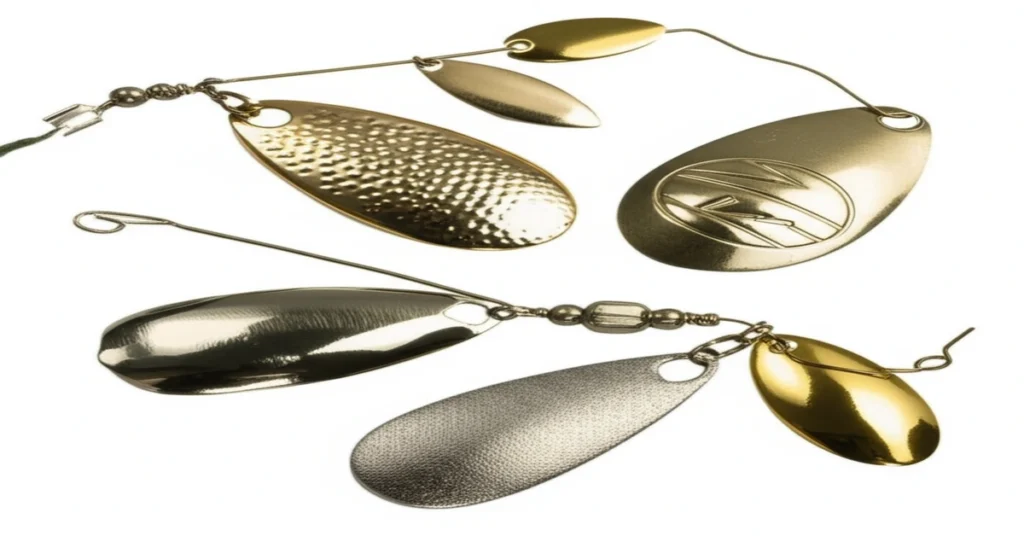
Spinner blade types refer to the distinct shapes, sizes, and materials of the metal blades attached to inline spinners, spinnerbaits, and other fishing lures. These blades rotate when pulled through water, creating flash, vibration, and turbulence that mimic baitfish or other aquatic prey.
Understanding these different spinner blade types is crucial for effective spinner blade selection, as each design offers unique characteristics vital for various fishing conditions and target species. For instance, colorado blade spinners are known for their deep cup and wide rotation, while willow blade spinners provide a more streamlined profile and faster spin. Indiana blade spinners offer a versatile middle ground. The interplay between spinner blade sizes, spinner blade colors, and the specific action of these blades defines their spinner blade performance, directly influencing your success in spinner blade fishing. This spinner blade guide will clarify distinctions and provide valuable spinner blade tips.
Key Components of Spinner Blades
- Blade Shape: Determines rotation speed, vibration frequency, and flash intensity. Common shapes are Colorado, Willowleaf, and Indiana blade spinners.
- Blade Size: Influences lure profile, retrieve depth, and the amount of flash/vibration. Spinner blade sizes are critical for proper spinner blade selection.
- Blade Color & Finish: Options like polished gold, silver, or painted patterns affect visibility and flash, making spinner blade colors a key factor in different water clarities for spinner blade fishing.
- Material Thickness: Thicker blades rotate slower, offering more resistance, while thinner blades spin faster, affecting overall spinner blade performance.
Why Spinner Blade Types Matters: Key Benefits
The strategic choice of spinner blade types significantly enhances your fishing success by allowing you to adapt your lure to specific environmental conditions and fish behaviors. Matching lure characteristics to forage and water conditions can increase strike rates by up to 30%, making your spinner blade selection paramount.
Enhanced Attraction & Sensory Appeal
Different spinner blade types excel at creating distinct sensory triggers. Colorado blade spinners, with their broad shape, generate strong vibrations and a slower, wider rotation. This makes them ideal for murky water or low-light conditions, where sound and thump attract fish, delivering robust spinner blade performance when visibility is poor.
Optimized Performance for Diverse Conditions
The variety in spinner blade types allows anglers to fine-tune their approach based on water clarity, current, and retrieve speed. Willow blade spinners are long and narrow, providing a faster, tighter spin with less resistance. This makes them perfect for fast retrieves, clear water, or fishing in heavy cover, showcasing excellent spinner blade performance. Indiana blade spinners offer a blend of both, providing moderate flash and vibration suitable for a wide range of spinner blade fishing situations.
“Understanding the nuances of each spinner blade type is like having a specialized tool for every job. It’s not just about flash; it’s about the unique language each blade speaks to the fish below.”
Complete Guide to Spinner Blade Selection – Step-by-Step
Choosing the right spinner blade types can dramatically improve your catch rate. This step-by-step spinner blade guide will help you navigate the process of spinner blade selection, ensuring you use the most effective blade for any situation. Pay close attention to how spinner blade sizes and spinner blade colors fit into this methodology.
Step 1: Assess Environmental Conditions
Evaluate water clarity, depth, and current. These factors are primary determinants for optimal spinner blade performance. Clear water often calls for subtle flash, while murky water demands more vibration and contrast.
- Observe water color and current: Note if the water is muddy or clear, and how fast the current flows.
- Utilize fishing reports: Check local reports for current conditions and successful spinner blade fishing strategies.
- Understand the environment: Gain insights into challenges and opportunities for your spinner blade types.
Step 2: Match Blade Type to Water Conditions and Target Species
Select spinner blade types that will excel in your assessed environment. For low light or stained water, colorado blade spinners are usually best due to their strong thumping vibration and broad flash. When targeting active fish in clear water or needing a faster retrieve, willow blade spinners are often superior for their subtle flash and minimal resistance. Indiana blade spinners are versatile, excellent for moderate conditions and a variety of species, offering balanced spinner blade performance.
Step 3: Optimize Spinner Blade Sizes and Colors
Fine-tune your spinner blade selection with appropriate spinner blade sizes and spinner blade colors. Larger spinner blade sizes create more disturbance, suited for bigger fish or deeper presentations. Smaller blades are ideal for finesse fishing or smaller species. For spinner blade colors, bright, reflective colors (silver, gold) work well in sunny/clear conditions, mimicking baitfish. Darker or fluorescent spinner blade colors (chartreuse, orange) are effective in low light or stained water, providing contrast. This careful tuning significantly boosts your spinner blade performance.
Expert Spinner Blade Tips & Best Practices
Adhering to best practices for spinner blade types can elevate your angling prowess, ensuring consistent spinner blade performance and better catch rates. These spinner blade tips are essential for both novices and seasoned pros.
For Beginners:
- Start with a Variety: Begin your spinner blade fishing journey with a selection including colorado blade spinners, willow blade spinners, and indiana blade spinners in various spinner blade sizes. This kit allows experimentation.
- Observe and Adapt Color: Pay attention to what spinner blade colors are working. If baitfish are silvery, use silver. Don’t hesitate to change blades if bites are slow.
- Match Size to Baitfish: Select spinner blade sizes that roughly correspond to the size of local baitfish. This natural presentation often yields more strikes.
For Advanced Users:
- Customizing Blade Combinations: Experiment with tandem rigs featuring different spinner blade types, such as a Colorado followed by a Willow, or varied spinner blade colors and sizes. This creates unique vibration patterns, enhancing spinner blade performance.
- Targeting Depths: Utilize specific spinner blade types for different depths. Colorado blade spinners keep lures higher at slower retrieves, while willow blade spinners cut through water more efficiently for deeper presentations or faster currents, demonstrating advanced spinner blade selection.
3 Common Spinner Blade Mistakes to Avoid
Even experienced anglers can fall prey to common errors when it comes to spinner blade types. Avoiding these pitfalls is crucial for maximizing your spinner blade performance and ensuring your spinner blade fishing efforts are fruitful.
Mistake #1: Not Matching Blade Type to Water Conditions
The Problem: Using colorado blade spinners in crystal clear, fast-moving water often results in over-finessing or creating too much drag. Conversely, willow blade spinners in murky, slow water may not generate enough vibration. Many anglers stick to one blade type out of habit.
The Solution: Always consider water clarity and current. Opt for Colorado blade spinners when maximum vibration and flash are needed in stained or low-light conditions. Choose willow blade spinners for speed, minimal drag, and subtle flash in clear water. Indiana blade spinners are a versatile alternative for moderate conditions.
Mistake #2: Ignoring Spinner Blade Sizes and Profiles
The Problem: Using spinner blade sizes that are too large or too small for the target species or available forage. A massive blade for panfish is as ineffective as a tiny blade for muskie. Incorrect spinner blade selection often leads to fewer bites.
The Solution: Match your spinner blade sizes to the size of the prey fish in the area and your target. Smaller blades for smaller fish or finesse presentations, larger blades for bigger predators. Consider the profile; sometimes a narrow willow blade is better than a wide Colorado, even if the overall size is similar for optimal spinner blade performance.
Mistake #3: Overlooking Spinner Blade Colors in Different Light
The Problem: Relying solely on silver or gold blades, regardless of light conditions or water clarity. Fish perceive colors differently under varying conditions, and a static approach limits your lure’s effectiveness, negatively impacting spinner blade performance.
The Solution: Carry a range of spinner blade colors. Use bright, reflective silver or gold in sunny, clear water to mimic natural baitfish. Opt for matte, painted, or darker spinner blade colors (like chartreuse, orange, or black) in low light, overcast conditions, or stained water to provide better contrast and visibility for successful spinner blade fishing.
Advanced Spinner Blade Strategies for 2024/2025
As fishing techniques evolve, so do the ways anglers leverage spinner blade types. These advanced strategies push the boundaries of traditional spinner blade fishing, offering new avenues for success and refined spinner blade selection for the modern angler.
Harnessing Hydroacoustic Signatures
Beyond flash, advanced anglers focus on the unique hydroacoustic signatures generated by different spinner blade types. Colorado blade spinners produce a lower frequency thumping sound, traveling further in turbid water and attracting larger fish from a distance. Willow blade spinners emit higher frequency vibrations, effective for triggering reaction strikes in clear, pressured water. Understanding these differences and selecting spinner blade types for their acoustic output is a cutting-edge approach to maximizing spinner blade performance in 2024/2025.
Micro-Tuning for Environmental Pressures
Modern spinner blade fishing involves micro-tuning your setup based on environmental pressures like barometric pressure changes, recent fishing pressure, and baitfish behavior. This means adjusting spinner blade sizes (e.g., #3 to #4) or altering spinner blade colors (gold to matte brass), even when conditions seem similar. During high-pressure systems, lethargic fish might prefer the slow throb of a larger Colorado blade. Post-front conditions might call for the discreet flash of a small willow blade. This granular approach to spinner blade selection significantly refines spinner blade performance.
Essential Tools & Resources for Spinner Blade Fishing
To truly master the art of spinner blade fishing and make informed decisions regarding spinner blade types, having the right tools and resources is indispensable. These items will help you maintain your gear and expand your knowledge base for optimal spinner blade performance.
Recommended Tools:
- Spinner Blade Storage System: A dedicated tackle box or binder with compartments for different spinner blade types, sizes, and colors ensures blades stay organized and accessible for quick spinner blade selection.
- Split Ring Pliers: Essential for quickly changing out spinner blade types or hooks, allowing for on-the-fly adjustments to spinner blade performance.
- Blade Polishing Cloth: To restore the shine of tarnished silver or gold colorado blade spinners or willow blade spinners, maintaining their attractive flash and peak spinner blade performance.
Additional Resources:
- Online Fishing Forums: Platforms where experienced anglers share spinner blade tips, discuss local patterns, and review spinner blade performance.
- Spinner Blade Guide Books: In-depth guides offering detailed analyses of hydrodynamics and advanced spinner blade fishing techniques, refining your spinner blade selection expertise.
Frequently Asked Questions About Spinner Blade Types
Q1: What are the best spinner blade types for clear water conditions, and how does spinner blade selection affect visibility?
Answer: For clear water, willow blade spinners are often preferred due to their slender profile and tighter, faster spin, creating subtle flash that mimics natural baitfish. Gold or silver spinner blade colors are excellent choices here. The key for spinner blade selection in clear water is subtlety; excessive flash from larger colorado blade spinners can sometimes spook fish. Smaller spinner blade sizes also contribute to a more natural presentation, optimizing spinner blade performance in visible environments.
Q2: When should I choose colorado blade spinners over indiana blade spinners for spinner blade fishing?
Answer: Choose colorado blade spinners when you need maximum vibration and lift at slower retrieve speeds, especially in murky water, low-light, or when targeting less active fish. Their deep cup creates a powerful thumping action. Indiana blade spinners offer a compromise, with moderate flash and vibration, making them highly versatile. Opt for indiana blade spinners in varied conditions, moderate currents, or when you need a balance between a Colorado’s throb and a Willow’s speed. Your spinner blade guide choice depends on water conditions and desired spinner blade performance.
Q3: Does spinner blade color truly matter for spinner blade fishing, and what are some spinner blade tips for color choice?
Answer: Absolutely, spinner blade color matters significantly! Fish perceive colors differently based on water clarity, light penetration, and depth. As a spinner blade tip: in bright, clear conditions, use reflective silver or gold to mimic natural scales. For overcast days or stained water, choose chartreuse, orange, or black for contrast. Experimentation is key to finding what works best, directly impacting spinner blade performance.
Q4: How can I improve the overall spinner blade performance of my lures?
Answer: Improving spinner blade performance involves several key spinner blade tips. Firstly, ensure your blade rotates freely; check for bent blades or rusty swivels. Secondly, match the spinner blade types to the conditions (e.g., colorado blade spinners for slow, deep thumps; willow blade spinners for fast, shallow retrieves). Thirdly, pay attention to spinner blade sizes and spinner blade colors relative to baitfish and water clarity. Regularly clean and polish your blades. Optimal spinner blade selection and maintenance are paramount.
Conclusion: Master Spinner Blade Types for Long-term Success
Mastering the intricacies of spinner blade types is not merely about choosing a lure; it’s about unlocking a deeper understanding of fish behavior and environmental dynamics. From the aggressive thump of colorado blade spinners to the subtle flash of willow blade spinners, each design serves a unique purpose in your angling arsenal. By carefully considering spinner blade selection, you empower yourself to adapt, innovate, and ultimately, succeed more consistently on the water.
The journey to becoming a proficient angler is continuous, and a thorough grasp of spinner blade types is a foundational element. As we look to 2024/2025, advanced strategies focusing on hydroacoustics and micro-tuning will further refine our approach to spinner blade fishing. Embrace these valuable spinner blade tips, experiment with different spinner blade sizes and spinner blade colors, and observe how precise spinner blade selection directly correlates with enhanced spinner blade performance. Your next trophy catch might just be a blade away!
Related Articles You Might Find Helpful:
- Maximizing Lure Action: A Deep Dive into Spinner Blade Performance
- The Ultimate Spinner Blade Guide: Choosing the Right Blade for Every Species
- Decoding Spinner Blade Colors: What Fish See and Why It Matters for Spinner Blade Fishing
What’s Your spinner blade types Experience?
Do you have a go-to spinner blade type for a specific fish or condition? Share your personal spinner blade selection tips, challenges, or success stories in the comments below! We’d love to hear how different spinner blade sizes or spinner blade colors have impacted your spinner blade fishing adventures.
Note: This guide reflects current best practices and is updated regularly to ensure accuracy. Last updated: October 26, 2023