Mastering Grub Size Selection: Your Ultimate Guide
Ever spent a day on the water casting the “perfect” lure, only to come home empty-handed while others haul in fish after fish? The secret often isn’t the color or the lure type; it’s the subtle, game-changing art of grub size selection. This crucial skill separates novice anglers from seasoned experts, turning frustrating days into unforgettable ones. In this comprehensive guide, we will break down the entire process of grub size selection, showing you how to match the hatch, adapt to any condition, and trigger strikes from even the most finicky fish.
Forget guesswork and random choices. We’ll provide a clear framework for understanding why size matters more than you think. From targeting monster bass with large grubs to fooling pressured fish with small grubs, mastering this concept is the single most effective way to boost your catch rate. Get ready to learn the strategies that will give you a consistent edge every time you hit the water. This is your complete grub size guide for true fishing success.
Table of Contents
- What is grub size selection?
- Key Benefits and Importance
- Complete Step-by-Step Guide
- Expert Tips & Best Practices
- Common Mistakes to Avoid
- Advanced Strategies for 2024/2025
- Essential Tools & Resources
- Frequently Asked Questions
What is grub size selection?
Grub size selection is the strategic process of choosing the most effective grub size to match forage, environmental conditions, and the target species’ feeding behavior. It’s about moving beyond random lure choice and making a calculated decision based on what fish are actively eating and how they are behaving. This deliberate approach to grub sizing is a cornerstone of successful angling.
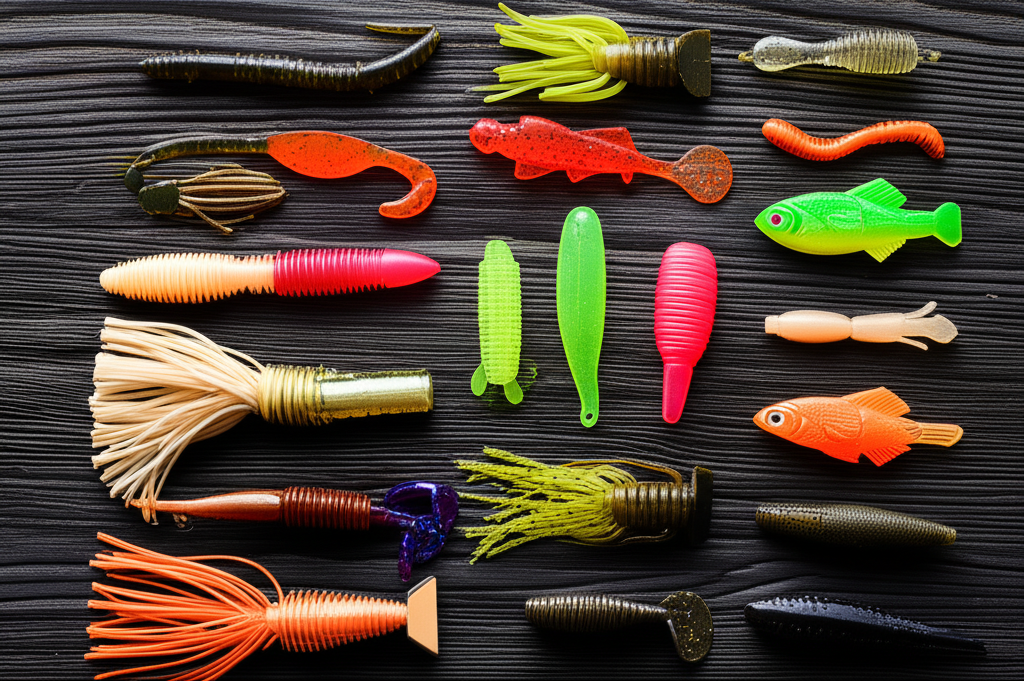
This goes far beyond simply picking between small grubs and large grubs. A proper grub size selection process involves analyzing water clarity, temperature, and the size of local baitfish to present an offering that looks natural and enticing. Whether you’re determining the right grub sizes for bass or finesse fishing for panfish, this discipline requires observation and adaptation. A good grub size guide provides recommendations, but true mastery comes from applying grub size matching principles on the water. Following sound grub size tips turns a simple piece of plastic into an irresistible meal, making your grub size fishing infinitely more productive.
Key Components
- Forage Matching: The core principle of identifying and imitating the size of the primary food source (e.g., shad, minnows, crawfish) in a body of water. This is the foundation of effective grub size matching.
- Profile and Length: Considering not just the length but also the bulk or slimness of the grub to create a realistic silhouette that fish are programmed to strike.
- Water Conditions: Adjusting grub size based on water clarity and light penetration. Larger profiles work better in murky water, while smaller, more subtle profiles excel in clear conditions.
- Target Species and Mood: Tailoring your grub size selection to the species you’re targeting and their current activity level. Aggressive bass might crush large grubs, while neutral fish may require small grubs to commit.
Why grub size selection Matters: Key Benefits
Dedicating focus to your grub size selection process isn’t just an academic exercise; it delivers tangible results that directly increase your success. Anglers who master this skill consistently out-fish those who don’t, as they present a more believable and tempting target. The difference between getting a few bites and having an epic day often comes down to a quarter-inch adjustment in lure size.
Increased Catch Rates
The primary benefit is a dramatic increase in strikes and landed fish. When you perfectly match the size of the prevalent forage, you tap into a fish’s predatory instinct. This concept, known as “matching the hatch,” makes your lure appear as a natural, easy meal rather than a suspicious foreign object. For example, if bass are chasing 3-inch shad, a 3-inch grub will almost always outperform a 5-inch grub, because it fits the predator’s search image. This precise grub sizing converts follows into commitments.
Targeting Specific Fish Sizes
Effective grub size selection allows you to be more deliberate in the size of fish you target. While not a perfect science, using large grubs (4 to 6 inches) generally discourages smaller fish and appeals more to trophy-class predators looking for a substantial meal. Conversely, when the bite is tough or you’re targeting smaller species, downsizing to small grubs (1 to 2.5 inches) can generate action when larger baits go untouched. This control is vital for tournament anglers and those chasing personal bests.
“The most overlooked variable in soft plastics fishing is size. Anglers will change colors a dozen times before they even consider changing their grub’s profile. That’s a critical mistake. Proper grub size selection is the fastest way to adapt and win.”
Complete Guide to grub size selection – Step-by-Step
Developing a systematic approach to grub size selection removes guesswork and builds confidence. Follow these three steps every time you’re on the water to create a reliable process for choosing the right grub. This is your practical, repeatable grub size guide.
Step 1: Assess the Environment and Forage
Before you make your first cast, take a moment to observe. Your environment provides all the clues you need for an initial grub size selection. Ask yourself key questions: What is the water clarity? Is it clear, stained, or muddy? What is the water temperature? Are fish likely to be active or lethargic? Most importantly, what are the fish eating? Look for signs of baitfish, flipping over rocks to find crawfish, or observing insect life. This initial assessment is the bedrock of good grub size matching.
- Specific action item: Scope the shallows for minnows or use electronics to identify the size of baitfish schools.
- Required tools or resources: Polarized sunglasses, a water temperature gauge, and optionally, fish-finding electronics.
- Expected outcome: A strong hypothesis about the ideal starting grub size (e.g., “The water is clear and I see 2-inch minnows, so I’ll start with a small grub.”).
Step 2: Choose a Baseline Grub and Rig
With your assessment complete, select a starting grub size that logically fits the conditions. A 3-inch grub is an excellent all-around starting point in many situations, as it mimics a wide variety of forage. Pair it with an appropriately sized jig head (e.g., a 1/8 oz or 1/4 oz head for a 3-inch grub) to ensure a natural fall and action. The goal here isn’t to be perfect immediately, but to establish a baseline from which you can make educated adjustments.
Step 3: Test, Observe, and Make Adjustments
This is the active phase of grub size selection. Fish your baseline setup for 15-20 minutes in a high-percentage area. Pay close attention to the feedback you get. Are you getting no bites at all? Are you feeling subtle taps but not hooking up (short strikes)? Or are fish engulfing the lure? This feedback dictates your next move. No bites might mean you need to downsize. Short strikes could mean the fish want a slightly larger or smaller profile. This iterative process of grub size fishing is what leads to consistent success.
Expert Tips & Best Practices for grub size selection
Following established best practices can shorten your learning curve and help you dial in the bite faster. These grub size tips are divided into foundational advice for beginners and more nuanced strategies for experienced anglers looking to refine their grub size selection.
For Beginners:
- Start with the “Match the Hatch” Rule: This is the most reliable principle. If you don’t know the forage size, a 3-inch grub in a natural color (like green pumpkin or smoke) is a versatile starting point that imitates many food sources.
- Focus on Jig Head Pairing: Ensure your jig head weight and hook size are appropriate for your grub. A general rule is a #1 or 1/0 hook for 3-inch grubs and a 3/0 or 4/0 for 4-5 inch grubs. This simple step in grub sizing ensures the lure has the right action.
- Change Size Before Color: If you aren’t getting bites, make a significant size change (e.g., from 3 inches down to 2, or up to 4) before you start cycling through different colors. Size is often the more critical trigger.
For Advanced Users:
- Downsize Drastically for Pressured Fish: In heavily fished waters, bass become conditioned to common lure sizes. Dropping to a 1.5 or 2-inch grub on light line (a technique known as Finesse grub sizing) can trigger bites from fish that ignore standard offerings.
- Upsize for Reaction Strikes: Sometimes, the goal isn’t to imitate forage but to trigger an aggressive reaction. Using oversized large grubs (5-6 inches) and fishing them quickly can cause a predatory fish to strike out of pure instinct, even when it’s not actively feeding.
5 Common grub size selection Mistakes to Avoid
Success in fishing is as much about avoiding errors as it is about making the right moves. When it comes to grub size selection, a few common mistakes can derail an otherwise promising day. Steering clear of these pitfalls is crucial for consistent results.
Mistake #1: The “One-Size-Fits-All” Mentality
The Problem: Anglers often find a grub size that worked once and then use it exclusively, regardless of the season, lake, or conditions. This severely limits their effectiveness when fish are keyed in on a different-sized food source.
The Solution: Maintain a versatile collection of grubs ranging from 1.5 to 5 inches. Force yourself to start each day with a fresh assessment of the conditions rather than defaulting to an old favorite. A dynamic approach to grub size selection is key.
Mistake #2: Ignoring Water Temperature’s Impact
The Problem: Fish are cold-blooded, and their metabolism is directly tied to water temperature. Using large grubs and fast retrieves in cold water (below 50°F) is often ineffective because a fish’s metabolism is too slow to chase a large meal.
The Solution: In cold water, downsize your grub and slow your presentation. Small grubs present an easy, low-energy meal. As the water warms, a fish’s metabolism increases, and they are more willing to chase the large grubs that offer a bigger caloric reward.
Mistake #3: Mismatching the Grub and Jig Head
The Problem: Using a jig head that is too heavy or too light for the grub size will kill its action. A heavy jig on a small grub makes it plummet unnaturally, while a light jig on a large grub can’t control it properly and hinders casting.
The Solution: Follow sound grub size recommendations for pairing. Balance the system so the grub glides and swims naturally on the fall. Test it in clear water near the boat to see how it looks before casting.
Mistake #4: Forgetting to Adapt to Fishing Pressure
The Problem: In waters that see a lot of anglers, fish become wary of common lure profiles. Throwing the same 4-inch grub that everyone else is using can lead to fish ignoring your presentation entirely.
The Solution: Be a contrarian. If the pressure is high, go with small grubs and a finesse approach. This subtle presentation can be the key to unlocking the bite when others are struggling with their grub size fishing tactics.
Mistake #5: Overlooking the Current
The Problem: Anglers fishing in rivers or areas with current often fail to adjust their grub sizing. A small, light grub may not get down to the strike zone in moving water, rendering it useless.
The Solution: In current, you may need to increase the size and weight of your grub and jig head combination simply to maintain contact with the bottom where fish are holding. This is a situation where a larger profile is a functional necessity.
Advanced grub size selection Strategies for 2024/2025
As fishing technology and techniques evolve, so do the strategies for effective grub size selection. For 2024 and beyond, top anglers are using cutting-edge tools and concepts to gain a competitive advantage. These advanced approaches move beyond basics into real-time, dynamic decision-making.
Leveraging Forward-Facing Sonar (FFS) for Real-Time Feedback
Forward-facing sonar has revolutionized grub size selection by providing instant feedback. Anglers can now watch how a specific fish or school of fish reacts to their lure from a distance. You can drop a 4-inch grub, see fish approach but not commit, and immediately switch to a 3-inch grub and watch them eat it. This technology removes all guesswork, allowing for precise grub sizing on a fish-by-fish basis. It’s the ultimate tool for confirming or denying your grub choice in seconds.
Micro-Sizing for Negative Fish
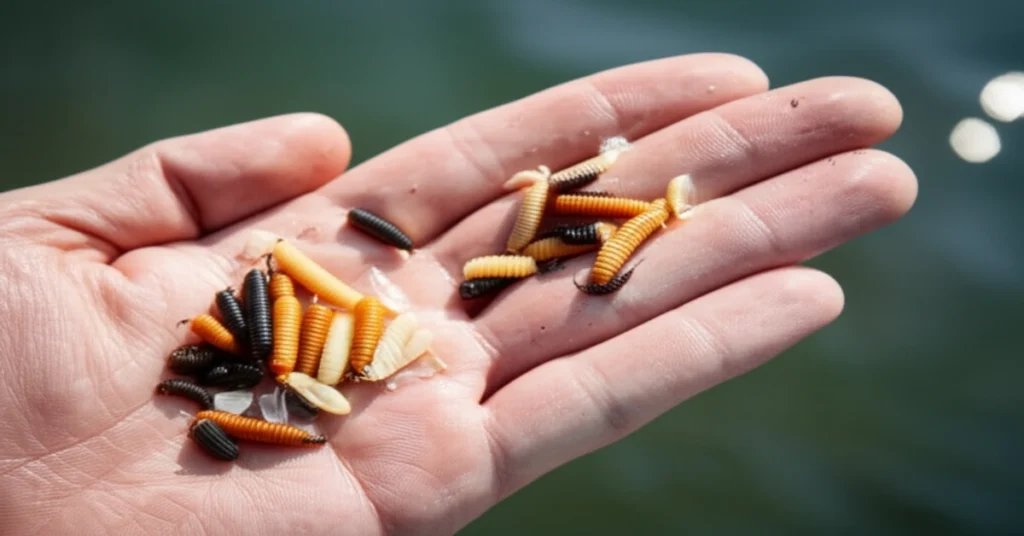
When conditions are extremely tough—post-frontal, high sun, or intense fishing pressure—even standard finesse techniques can fail. This is where micro-sizing comes in. This involves using tiny 1- to 1.5-inch grubs, often on specialized jig heads or drop-shot rigs with light fluorocarbon line. This ultra-subtle approach is deadly for highly pressured or completely inactive bass. It perfectly imitates the tiny fry or aquatic insects that fish will still eat when they refuse larger meals, making it a key advanced grub size selection tactic.
Essential Tools & Resources for grub size selection
Equipping yourself with the right tools and information can significantly improve your grub size selection process. These resources help you gather better data and make more informed decisions on the water.
Recommended Tools:
- Digital Calipers: For anglers who want ultimate precision, a set of digital calipers allows you to measure captured baitfish or even the stomach contents of a kept fish down to the millimeter. This provides undeniable data for perfect grub size matching.
- Water Temperature Gauge: A simple but indispensable tool. Knowing the exact water temperature helps you make critical decisions about using small grubs in cold water versus large grubs in warm, active water.
- Angler’s Logbook or App: Keep detailed notes on what grub sizes work in specific conditions (water temp, clarity, season, weather). Over time, this logbook becomes your personal, data-driven grub size guide.
Additional Resources:
- State Fish & Wildlife Websites: These sites often publish lake survey data that includes information about the primary forage species in a given body of water, giving you a head start on your grub size selection.
- Online Fishing Forums: Local and regional fishing forums are excellent places to get up-to-date information on what the current hot bite is and what size baits are working for other anglers in your area. These often provide great grub size recommendations.
Frequently Asked Questions About grub size selection
Q1: What are the best grub sizes for bass during different seasons?
Answer: A great grub size guide for bass is to follow their metabolism and the available forage. In winter, when their metabolism is slow, small grubs (1.5 to 2.5 inches) on light jigs are best. In spring, as they move up to spawn and feed on crawfish and smaller baitfish, 3- to 4-inch grubs are ideal. For summer, when their metabolism is high and they are chasing larger shad, using large grubs (4 to 5 inches) can be very effective. In fall, as baitfish shrink, downsizing back to 2.5- to 3.5-inch sizes is a key part of successful grub size selection.
Q2: When should I use small grubs versus large grubs?
Answer: Use small grubs (under 3 inches) in clear water, under high-pressure conditions, in cold water, or when you know the forage is small (like fry or small minnows). Use large grubs (4 inches and up) in stained or murky water, when targeting trophy-sized fish, when trying to generate a reaction strike, or when you know the primary forage is large, like adult gizzard shad or bluegill.
Q3: How does the grub’s tail style affect grub size selection?
Answer: The tail is a critical component. A classic twister tail on a grub has a subtle, vibrating action, making it great for finesse presentations and colder water. A paddle tail (like on a swimbait) has a harder thumping action and displaces more water, making it better for stained water and more aggressive presentations. When making your grub size selection, consider that a bulkier paddle tail can make a 3-inch grub appear larger to a fish than a 3-inch twister tail grub.
Q4: What’s the easiest way for a beginner to start with grub size matching?
Answer: The simplest method is to visit a local tackle shop and ask what the primary baitfish are in the lake you plan to fish. Then, buy a few packs of grubs that are the same general length and color as that forage. For example, if they say the bass are feeding on 3-inch threadfin shad, start with a 3-inch grub in a smoke or silver flake color. This is the most direct application of grub size matching.
Conclusion: Master grub size selection for Long-term Success
In the world of fishing, it’s the details that make the difference, and few details are more impactful than a well-executed grub size selection. By moving beyond luck and implementing a strategic, observant approach, you can consistently present fish with the right offering at the right time. Mastering this skill transforms your grub fishing from a game of chance into a predictable science.
As you continue to fish, make grub size selection a conscious part of your process every time you go out. Use this grub size guide to build a solid foundation, and don’t be afraid to experiment. Whether you are finding the perfect grub sizes for bass or finessing crappie with small grubs, the principles of grub size matching remain the same. This dedication to proper grub sizing is what will keep your lines tight and your fishing stories exciting for years to come.
Related Articles You Might Find Helpful:
- The Ultimate Grub Size Guide for Largemouth Bass
- How to Pair Jig Heads with Small Grubs for Finesse Fishing
- Advanced Grub Sizing: When to Use Large Grubs for Trophy Fish
What’s Your grub size selection Experience?
What’s the biggest fish you’ve ever caught by downsizing your grub when the bite was tough? Share your story, the conditions, and your go-to grub size in the comments below!
Note: This guide reflects current best practices and is updated regularly to ensure accuracy. Last updated: October 17, 2023