Drop Shot Grub Fishing: The Ultimate Angler’s Guide
Ever feel like you’re casting at fish that simply refuse to bite? You see them on your electronics, you know they’re there, but every lure you throw comes back untouched. This frustrating scenario is where the subtle art of drop shot grub fishing shines, transforming tough days into successful outings. This comprehensive guide will demystify this powerful finesse technique, showing you exactly how to rig, present, and master the drop shot grub to trigger strikes from even the most pressured bass.
This isn’t just another passing trend; it’s a foundational skill that consistently produces results when other methods fail. We’ll dive deep into the specific setups, the most effective presentations, and the common mistakes to avoid. By the end of this article, you’ll have the confidence and knowledge to add drop shot grub fishing to your arsenal, giving you a crucial edge on the water, especially in clear or highly-fished lakes.
Table of Contents
- What is drop shot grub fishing?
- Key Benefits and Importance
- Complete Step-by-Step Guide
- Expert Tips & Best Practices
- Common Mistakes to Avoid
- Advanced Strategies for 2024/2025
- Essential Tools & Resources
- Frequently Asked Questions
What is drop shot grub fishing?
Drop shot grub fishing is a finesse angling technique that involves suspending a small, soft-plastic grub above a weight. This setup allows the grub to hover enticingly in the water column, presenting a subtle, natural-looking meal that wary fish find irresistible. It’s a cornerstone of modern drop shot fishing tactics.
Unlike more aggressive presentations, this method excels by separating the lure’s action from the weight’s position on the bottom. This distinction is critical for effective drop shot bass fishing, as it allows for a life-like presentation with minimal movement. This complete drop shot grub guide will explore the nuances of various drop shot techniques, from selecting the right drop shot grubs and drop shot grub colors to perfecting your drop shot grub setup and presentation for maximum success.
Key Components
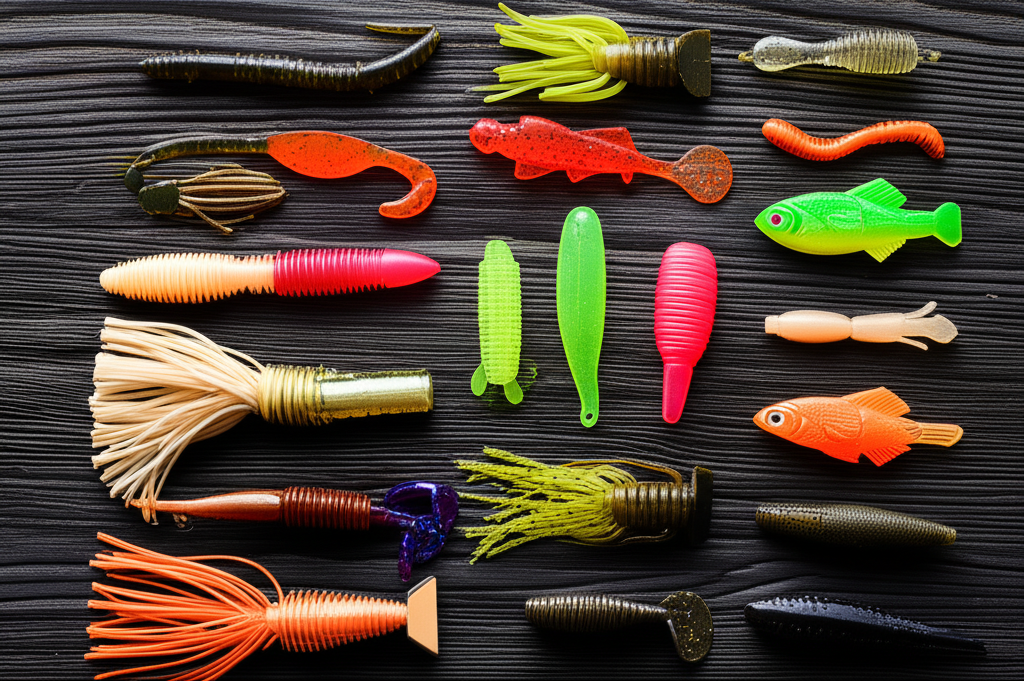
- The Grub: A small, soft-plastic bait with a curl-tail that subtly moves with the slightest current or rod twitch, mimicking small baitfish or invertebrates.
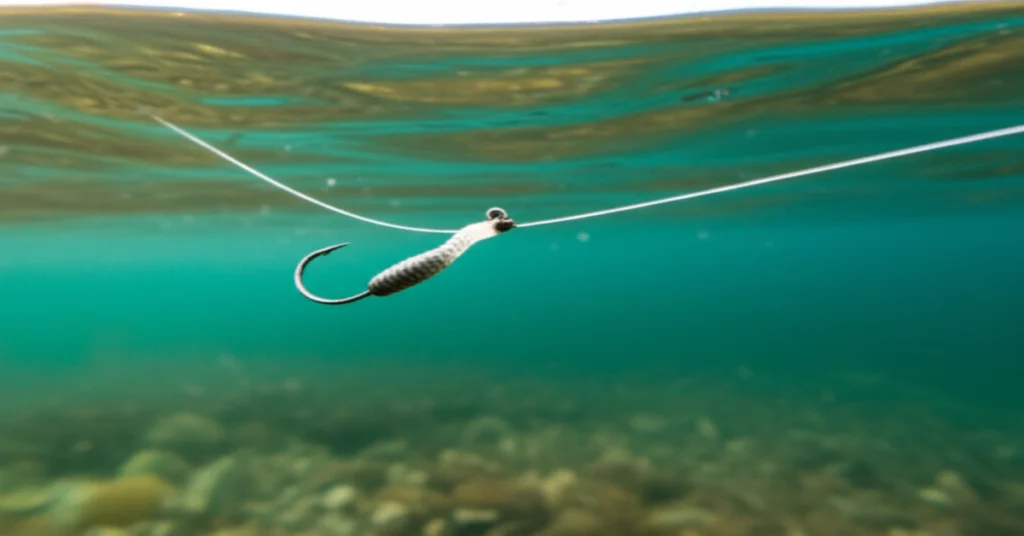
- The Hook: Typically a size 1 or 2 drop shot or octopus hook, which is tied directly to the main line, allowing the grub to sit horizontally.
- The Leader (Tag End): The section of line below the hook where the weight is attached, which determines how far off the bottom the grub is presented.
- The Drop Shot Weight: A specialized weight, often cylindrical or ball-shaped with a pinch-style line clip, designed to easily attach to the end of the line and maintain bottom contact.
Why drop shot grub fishing Matters: Key Benefits
In today’s highly pressured fisheries, bass quickly become conditioned to common lures and aggressive presentations. Drop shot grub fishing bypasses this conditioning by offering a hyper-realistic, non-threatening profile. Anglers report catch-rate increases of up to 50% on tough post-frontal days by switching from power techniques to a finesse drop shot grub setup.
Catching Pressured and Finicky Fish
The primary benefit is its unparalleled ability to trigger bites from neutral or negative-mood fish. Imagine a crystal-clear lake where bass can inspect every detail of your lure. A traditional Texas rig or crankbait might seem too bulky or fast. The drop shot grub, however, can be held perfectly still in the strike zone, its tail gently undulating, convincing a hesitant bass that it’s a safe and easy meal. This is the essence of successful drop shot bass fishing.
Unmatched Versatility and Precision
This technique is incredibly versatile. You can effectively use it in 5 feet of water around sparse vegetation or in 50 feet of water targeting suspended fish on deep ledges. Modern electronics like forward-facing sonar pair perfectly with drop shot presentations, allowing you to watch a fish’s reaction in real-time and adjust your cadence to trigger a strike. This precision targeting is a game-changer.
“The magic of the drop shot grub is in its subtlety. It does nothing, and in doing nothing, it does everything. The less you impart action, the more natural it looks, and that’s what gets you bites when nothing else will.”
Complete Guide to drop shot grub fishing – Step-by-Step
Mastering the drop shot grub setup is simpler than it looks and is foundational to this technique’s success. Follow these steps to create a perfect rig that will put more fish in your boat. This is the core of any effective drop shot grub guide.
Step 1: Assembling the Right Gear
Your gear choice is crucial for sensitivity and control in drop shot fishing. You need to feel the subtle bite and have the right backbone to land the fish. The correct combination of rod, reel, and line makes all the difference in successful drop shot grub fishing.
- Rod: A 6’10” to 7’2″ medium-light power, fast-action spinning rod is ideal. This provides the sensitivity to detect light bites and the parabolic bend to protect light line.
- Reel: A 2500 or 3000-size spinning reel with a smooth drag system is essential.
- Line: A 10-15 lb braided main line connected to a 6-10 lb fluorocarbon leader is the standard. Braid offers sensitivity and no-stretch hooksets, while fluorocarbon is virtually invisible underwater.
Step 2: Tying the Perfect Drop Shot Rig
The knot is the heart of the rig. The Palomar knot is the universally accepted best choice because it keeps the hook pointing upward at a 90-degree angle from the line, ensuring a natural presentation. After tying the knot, remember to pass the tag end back through the hook eye from the top; this is the critical step that makes the hook stand out correctly. This proper setup is one of the most important drop shot grub tips.
Step 3: Rigging the Grub and Attaching the Weight
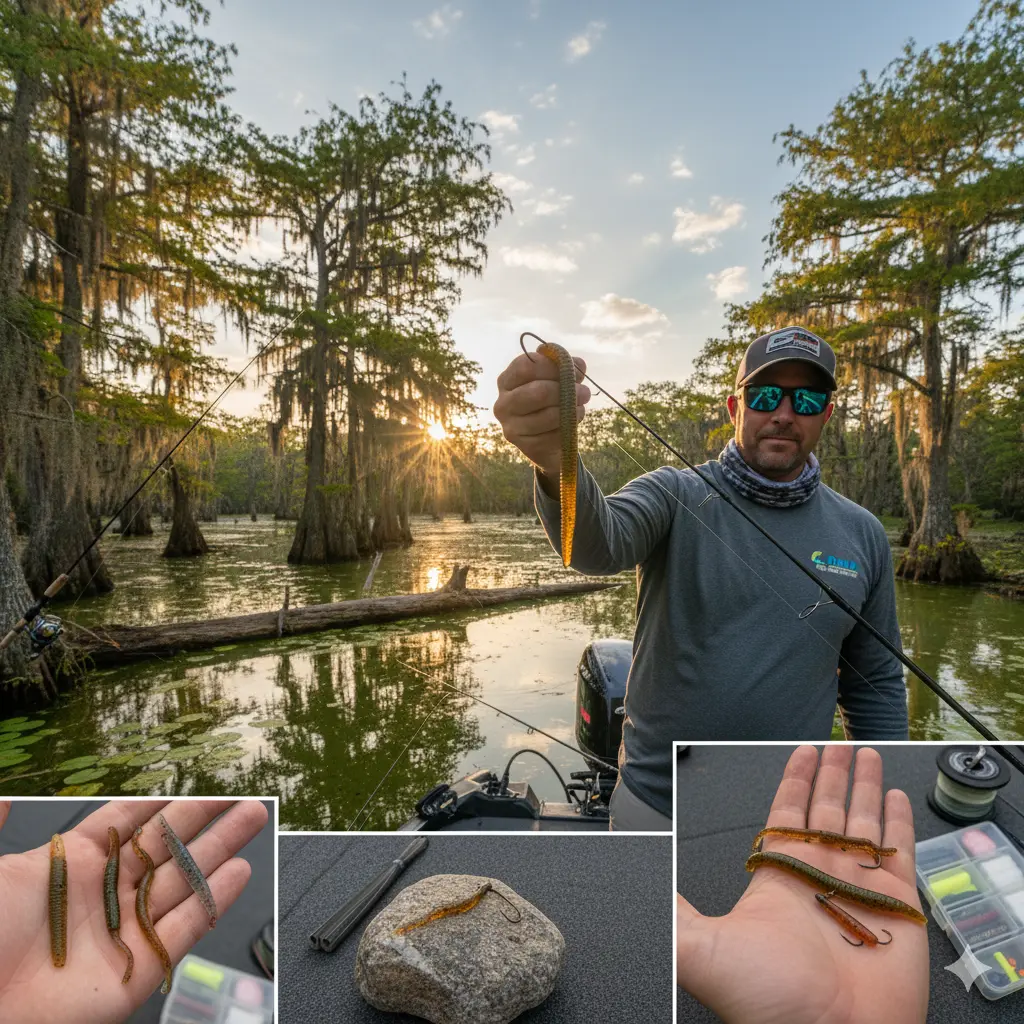
For most open-water situations, nose-hooking the grub is the best method. Simply pass the hook point through the very tip of the grub’s head. This allows for maximum action and an excellent hookup ratio. Attach your drop shot weight to the tag end of your line, typically 8 to 24 inches below the hook. A shorter leader is better for bottom-hugging fish, while a longer one is ideal for fish suspended higher in the water column.
Expert Tips & Best Practices for drop shot grub fishing
Following best practices will elevate your drop shot grub fishing from a novelty technique to a consistent fish-catcher. Small adjustments in your approach can yield significant results, especially when targeting educated fish.
For Beginners:
- Keep It Still: Your first instinct will be to shake and move the lure. Resist it. The most effective presentation is often a “deadstick,” where you simply hold the line taut and let water currents and the grub’s tail provide the action.
- Maintain Bottom Contact: Always keep a slight tension on your line so you can feel your weight on the bottom. If you lose contact, you lose sensitivity and control of your presentation. This is a fundamental of all drop shot techniques.
- Start with Natural Colors: You can’t go wrong with classic drop shot grub colors like green pumpkin, watermelon seed, or smoke. These mimic natural forage in a wide variety of water clarities and are excellent starting points.
For Advanced Users:
- The Slack Line Shake: On a semi-slack line, gently shake the rod tip. This imparts a subtle quiver to the grub without moving the weight, an incredibly natural presentation that excels in calm, clear water. This is one of the more advanced drop shot presentations.
- Power-Shotting a Grub: Don’t be afraid to use a heavier setup (baitcaster, 12-15lb fluorocarbon) with a larger grub and a 3/8 oz or 1/2 oz weight. This allows you to fish the technique faster and deeper, especially around heavy cover like brush piles.
5 Common drop shot grub fishing Mistakes to Avoid
Success with this technique often comes down to avoiding simple errors. Even experienced anglers can fall into bad habits that limit the effectiveness of their drop shot grub fishing efforts. Steering clear of these pitfalls is crucial.
Mistake #1: Overworking the Lure
The Problem: Aggressively shaking or hopping the rod makes the grub look unnatural and spooks wary bass. The goal of drop shot fishing is subtlety, and excessive movement defeats the purpose.
The Solution: Let the rod and line tension do the work. Hold the rod steady and use slow, deliberate pulls or very gentle twitches. Often, the best action is no action at all.
Mistake #2: Using the Wrong Hook
The Problem: Using a hook that is too large, too thick, or the wrong style will impede the grub’s action and result in poor hookups. An oversized hook can tear the small plastic and look unnatural.
The Solution: Stick to a dedicated size 1, 2, or 1/0 drop shot/octopus hook. These hooks have a short shank and a wide gap, perfect for nose-hooking small drop shot grubs and ensuring a solid connection.
Mistake #3: Ignoring Line Twist
The Problem: Spinning tackle is prone to line twist, which can weaken your line and cause your grub to spin unnaturally in the water. Repeatedly dropping and reeling up the rig can exacerbate this issue.
The Solution: Periodically, let your line out behind the boat (with no rig attached) to unwind. Additionally, consider adding a small, high-quality swivel a few feet above your hook to mitigate twist.
Mistake #4: Incorrect Leader Length
The Problem: A leader that is too short or too long will present the bait outside of the strike zone. If fish are hugging the bottom and your leader is 36 inches, they may never see it.
The Solution: Pay attention to your sonar. If you see fish suspended 18 inches off the bottom, set your leader length to match. A good starting point is a 12 to 18-inch leader; adjust from there.
Mistake #5: Setting the Hook Too Hard
The Problem: A traditional, hard hookset used with jigs or Texas rigs will often pull the tiny hook right out of the fish’s mouth. It can also break the light fluorocarbon leader.
The Solution: When you feel a bite, simply reel down fast and sweep the rod upwards firmly. This “reel-set” allows the small, sharp hook to penetrate without creating slack or tearing a large hole.
Advanced drop shot grub fishing Strategies for 2024/2025
As angling technology evolves, so do the strategies for applying classic techniques. For 2024 and beyond, integrating modern electronics with proven drop shot grub fishing methods will set elite anglers apart. These are the next-level approaches that dominate tournaments.
“Strolling” the Grub for Suspended Fish
This technique, perfect for open-water scenarios, involves using your trolling motor to slowly move the boat (0.3-0.6 mph) while dragging your drop shot rig behind. It allows you to cover water efficiently while keeping the grub presented naturally at a specific depth, right in the face of suspended bass or those chasing baitfish schools. It’s a deadly way to apply drop shot presentations over large flats or along contour lines.
Targeting with Forward-Facing Sonar
The biggest evolution in drop shot bass fishing is the use of live, forward-facing sonar (FFS). With FFS, you can pitch your drop shot grub directly to an individual fish you see on the screen. You can then watch the fish’s reaction to your bait in real-time—if it doesn’t respond to a deadstick, you can try a subtle shake. This “video game fishing” removes all guesswork and is the most precise application of the technique ever developed.
Essential Tools & Resources for drop shot grub fishing
Having the right gear and knowledge sources is paramount. These tools aren’t just luxuries; they are purpose-built to enhance the sensitivity and effectiveness required for successful drop shot grub fishing.
Recommended Tools:
- High-Modulus Graphite Rod: A rod from a series like the G. Loomis NRX+ or St. Croix Legend Elite provides unparalleled sensitivity to transmit the faintest bites up the line.
- Quality Fluorocarbon Line: Brands like Seaguar Tatsu or Sunline Sniper FC are incredibly clear, abrasion-resistant, and have low stretch, which is perfect for leader material.
- Tungsten Drop Shot Weights: While more expensive than lead, tungsten is much denser. This smaller profile reduces snags and its hardness transmits bottom composition details far better, allowing you to feel the transition from rock to sand.
Additional Resources:
- YouTube Pro Angler Channels: Follow professional anglers who specialize in finesse techniques. Channels from anglers like Aaron Martens (archives) or an expert in drop shot techniques provide invaluable visual demonstrations and up-to-date drop shot grub tips.
- Online Fishing Forums: Websites like BassResource or the forums on TacticalBassin.com provide a community of dedicated anglers sharing real-time reports and refining drop shot grub fishing strategies.
Frequently Asked Questions About drop shot grub fishing
Q1: When is the best time of year for drop shot grub fishing and what are the ideal conditions?
Answer: While drop shot grub fishing is effective year-round, it truly excels in two scenarios: cold water (late fall through early spring) when fish are lethargic, and high-pressure situations (post-frontal, clear skies, or on heavily fished lakes) when bass become wary. It’s a go-to technique for drop shot bass fishing in clear water with depths of 10 feet or more, as the subtle profile of drop shot grubs doesn’t spook fish.
Q2: What are the absolute best drop shot grub colors to start with?
Answer: To build a versatile collection of drop shot grub colors, start with the “confidence trio.” First, a natural green like Green Pumpkin or Watermelon Red for clear to slightly stained water. Second, a translucent smoke or baby bass color for exceptionally clear water. Finally, a bright color like Chartreuse Pepper for stained water or to mimic perch.
Q3: How do I adjust my drop shot grub setup for fishing in weedy or snaggy areas?
Answer: To make your rig more weedless, switch from an open nose hook to a small size 1 or 1/0 offset worm hook or EWG hook. Rig the grub Texas-style by inserting the hook point through the nose, bringing it out, turning it around, and burying the point back into the body of the plastic. This significantly reduces snags in grass and brush.
Q4: Can I use scents or attractants with drop shot grubs?
Answer: Absolutely. Because drop shot presentations are often slow and subtle, scent can be a major factor. Applying a gel or spray-on attractant like Pro-Cure or Smelly Jelly can encourage fish to hold onto the bait longer, giving you more time to detect the bite and get a solid hookset. This is one of the most underutilized drop shot grub tips.
Conclusion: Master drop shot grub fishing for Long-term Success
The art of drop shot grub fishing is a testament to the idea that sometimes, less is more. Its strength lies in its subtlety, precision, and unparalleled ability to fool the most cautious fish in the lake. By mastering the core components of the rig, presentation, and gear selection, you add a powerful tool to your angling toolkit.
As fisheries continue to see increased pressure and technology provides a clearer underwater picture, the importance of finesse techniques will only grow. The principles of drop shot grub fishing—offering a natural, non-threatening meal—are timeless. Embracing this method and the various drop shot techniques will not only help you catch more fish tomorrow but will make you a more complete and adaptable angler for years to come.
Related Articles You Might Find Helpful:
- Choosing the Best Drop Shot Grubs for Pressured Bass
- A Deep Dive into Advanced Drop Shot Techniques
- How Forward-Facing Sonar Revolutionized Finesse Fishing
What’s Your drop shot grub fishing Experience?
What’s your go-to grub and color combination for your home lake? Share your best tips or biggest challenges with drop shot grub fishing in the comments below!
Note: This guide reflects current best practices and is updated regularly to ensure accuracy. Last updated: October 17, 2023