Master Texas Rig Grub Fishing: A Pro’s Guide
Ever feel like you’re overthinking your lure choice, staring at a tackle box overflowing with complex baits while the bass remain unimpressed? Sometimes, the most effective solution is the one that’s been proven for decades. This is where the simple genius of texas rig grub fishing shines, offering a subtle, versatile presentation that bass find irresistible, especially when they’ve seen every other lure in the book. This comprehensive guide will transform you from a novice to an expert, breaking down everything you need to know about this timeless technique.
We’ll move beyond the basics to deliver actionable insights that will genuinely increase your catch rate. From the precise gear selection and flawless setup to advanced retrieval techniques and color theories, this guide is your definitive resource. Whether you’re a weekend angler looking for a reliable method or a seasoned pro wanting to refine a classic skill, mastering texas rig grub fishing will add a powerful and consistent weapon to your angling arsenal.
Table of Contents
- What is texas rig grub fishing?
- Key Benefits and Importance
- Complete Step-by-Step Guide
- Expert Tips & Best Practices
- Common Mistakes to Avoid
- Advanced Strategies for 2024/2025
- Essential Tools & Resources
- Frequently Asked Questions
What is texas rig grub fishing?
Texas rig grub fishing is a finesse bass fishing technique that combines the weedless, snag-resistant nature of a Texas rig with the subtle, lifelike action of a soft plastic grub. It’s a method prized for its versatility and effectiveness in a wide variety of conditions and types of cover.
At its core, this approach is about presenting a small, unassuming profile that mimics natural forage like baitfish or crawfish. The combination is deadly because it can be fished through heavy cover where other lures would fail. Understanding the nuances of the full package—from the specific texas rig grub setup to advanced texas rig grub techniques—is what separates beginners from anglers who consistently catch fish. This definitive texas rig grub guide covers every aspect, including lure presentation and how to use this method for effective texas rig bass fishing, ensuring you can confidently target and land more texas rig grub bass.
Key Components
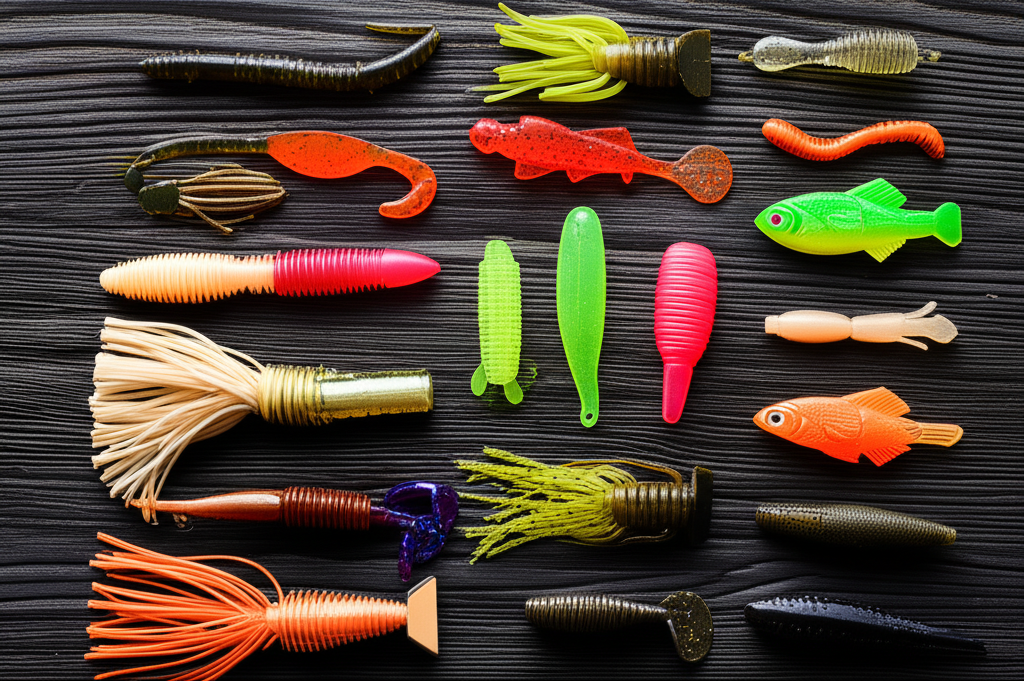
- The Grub: A soft plastic bait, typically with a curled tail that flutters and vibrates on the retrieve or fall. This is the heart of the presentation, providing the subtle action that triggers strikes.
- The Hook: Usually an Extra Wide Gap (EWG) or offset worm hook, sized to match the grub (typically 2/0 to 4/0). It allows the grub to be rigged weedless, making it perfect for fishing in vegetation and structure.
- The Weight: A sliding bullet-style sinker made of lead or tungsten placed on the line above the hook. This gets the bait to the desired depth and helps it penetrate cover. Weight can be pegged or unpegged depending on the situation.
- The Line and Rod: Typically, fluorocarbon or monofilament line on a medium-heavy baitcasting or spinning setup. This provides the sensitivity needed to detect subtle bites common with texas rig grub fishing.
Why texas rig grub fishing Matters: Key Benefits
In a world of high-tech, expensive lures, the humble texas rig grub remains a top producer for a reason. Its effectiveness isn’t just anecdotal; it’s rooted in its fundamental design, which addresses two of the biggest challenges in bass fishing: navigating heavy cover and enticing finicky, pressured fish. The simplicity of this rig is its greatest strength.
Unmatched Weedlessness and Versatility
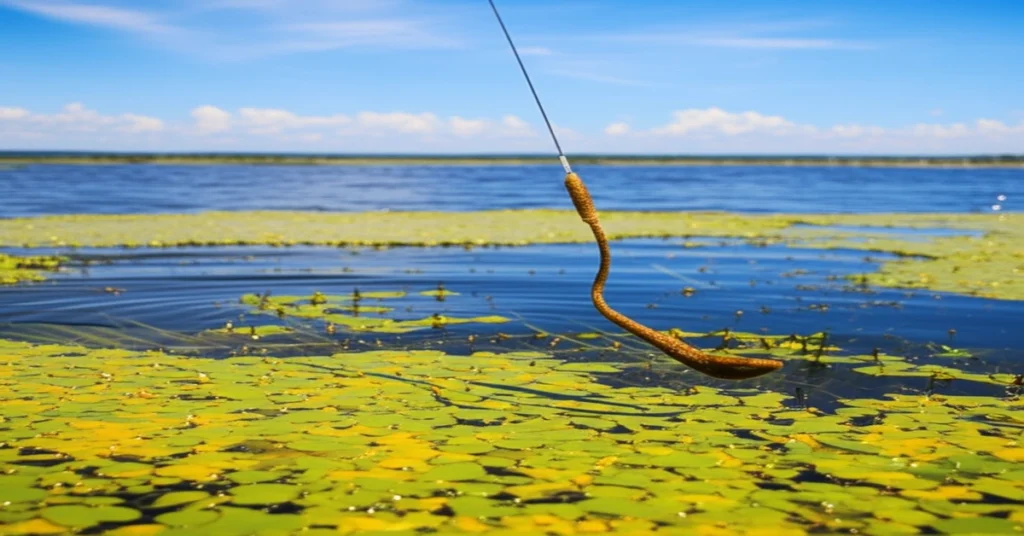
The primary benefit of texas rig grub fishing is its incredible ability to go where other lures can’t. The hook point is buried back into the plastic, creating a streamlined, snag-proof profile that slides effortlessly through grass, wood, and rock. You can pitch it into the heart of a lily pad field, drag it through a gnarly laydown, or swim it over a submerged grass flat without constantly getting hung up. This versatility allows you to present a bait in high-percentage strike zones that are inaccessible to crankbaits, spinnerbaits, or exposed-hook jigs.
Subtle Action for Pressured Bass
Modern bass are often highly pressured, meaning they see dozens of lures every day. Loud, aggressive baits can sometimes spook them, especially in clear water or after a cold front. The gentle, fluttering action of a grub’s tail is a more natural and less intimidating presentation. It mimics the subtle movements of small baitfish or invertebrates, triggering a feeding response rather than a flight response. This makes the texas rig grub a go-to choice for tough-bite conditions when bass are neutral or inactive.
“The Texas-rigged grub is the four-wheel-drive of bass fishing. It can go anywhere and do anything, from swimming shallow to dragging deep. If I had to choose only one soft plastic setup to fish for the rest of my life, this would be a serious contender.”
Complete Guide to texas rig grub fishing – Step-by-Step
Step 1: Select and Prepare Your Components
Gathering the right gear is the first step to success. Your choices will depend on the depth, cover, and water clarity you’re facing. For a standard setup, you’ll need a few key items.
- Specific action item: Slide a bullet weight onto your main line. A 1/8 oz to 1/4 oz tungsten weight is a great all-around choice. Tungsten is more sensitive than lead, helping you feel the bottom and detect bites.
- Required tools or resources: Tie on a 3/0 Extra Wide Gap (EWG) hook using a reliable knot like the Palomar or Improved Clinch Knot. Select a 3- to 5-inch curl-tail grub in a color that matches local forage and water conditions.
- Expected outcome: You will have a weight freely sliding on your line, terminated by a securely tied hook, ready for the grub. This is the foundation of effective texas rig grub fishing.
Step 2: The Initial Hook Insertion
This is the most critical part of achieving a straight, weedless rig. Start by holding the grub and the hook side-by-side to visualize where the hook point will exit the plastic. The goal is to have the grub hang perfectly straight once rigged.
Take the point of the hook and insert it directly into the center of the grub’s head. Push it in about a quarter-inch, just past the barb. Then, bring the hook point out through the bottom of the grub. This creates the anchor point for the rig. A perfect texas rig grub presentation begins with this precise first step.
Step 3: Completing the Weedless Rig
Now, slide the grub all the way up the hook shank until its head is snug against the hook eye. Rotate the hook 180 degrees so the point is facing the grub’s body. Lay the hook alongside the grub to see where the bend of the hook lines up with the body—this is your re-entry point.
Compress the grub’s body slightly and insert the hook point back into the plastic, pushing it through until it just starts to poke out the top. Finally, pull the plastic back over the hook point, a technique known as “skin-hooking.” This makes the rig completely snag-proof while allowing for an easy hookset. You now have a perfectly rigged texas rig grub, ready to catch fish.
Expert Tips & Best Practices for texas rig grub fishing
Beyond the basic setup, employing proven best practices will dramatically increase your success. These texas rig grub tips are designed to help anglers of all skill levels refine their approach and adapt to changing conditions on the water. Effective texas rig bass fishing is about subtle adjustments.
For Beginners:
- Start with a Swimming Retrieve: The easiest and often most effective way to fish a grub is to simply cast it out and slowly reel it back in. This steady retrieve allows the tail to kick and vibrate, attracting fish from a distance. Use this technique to cover water and locate active bass along weed lines or flats.
- Maintain Bottom Contact: For a different presentation, cast the rig, let it sink to the bottom, and then slowly drag it along. The key is to keep the weight in contact with the bottom, creating small puffs of silt and mimicking a crawfish or bottom-feeding baitfish. Pay close attention to your line for any jumps or ticks that signal a bite.
- Focus on High-Percentage Targets: Don’t just cast randomly into open water. Target specific pieces of cover like boat docks, submerged logs, rock piles, and the edges of weed beds. The weedless nature of texas rig grub fishing is its biggest advantage, so use it to put your lure where the bass live.
For Advanced Users:
- Peg Your Sinker in Heavy Cover: When pitching or flipping into thick vegetation like matted grass or dense brush, use a bobber stop to peg the bullet weight against the grub’s head. This prevents the weight and grub from separating, ensuring the entire rig penetrates the cover as a single unit for a more effective texas rig grub presentation.
- Master the “Stroking” Technique: In deeper water (15-25 feet), let the grub fall to the bottom on a semi-slack line. Then, sharply rip the rod tip upward about 2-3 feet and let the grub fall back down. Most strikes will occur on the fall. This aggressive hopping action can trigger reaction strikes from lethargic, deep-water bass. This is one of the more advanced texas rig grub techniques.
5 Common texas rig grub fishing Mistakes to Avoid
While texas rig grub fishing is a relatively straightforward technique, a few common errors can significantly hinder your success. Avoiding these pitfalls is crucial for maximizing your time on the water and ensuring you’re presenting the bait effectively.
Mistake #1: Using the Wrong Hook Size or Style
The Problem: A hook that is too large will overpower the grub, killing its action and natural appearance. A hook that is too small will result in a poor hook-up ratio because the hook point doesn’t have a large enough gap to penetrate the bass’s mouth.
The Solution: Match your hook size to your grub. For a standard 3-4 inch grub, a 2/0 or 3/0 EWG hook is ideal. For larger 5-inch grubs, step up to a 4/0. Always use an offset or EWG style to facilitate a proper weedless rigging.
Mistake #2: Overworking the Lure
The Problem: Many anglers impart too much action, hopping and twitching the grub aggressively. The beauty of the curl-tail grub is its built-in action; even the slightest movement of water will make the tail flutter. Overworking it can look unnatural.
The Solution: Less is more. A slow, steady swim or a drag-and-pause retrieve is often all that’s needed. Let the tail do the work. When a bass picks it up, you’ll feel a slight “tick” or mushiness—that’s when you set the hook.
Mistake #3: Neglecting Proper Color Selection
The Problem: Fishing a dark color in crystal clear water or a translucent color in muddy water can make your lure nearly invisible or overly conspicuous. While bass aren’t always picky, matching your texas rig grub colors to conditions matters.
The Solution: Follow the general rule: natural colors (Green Pumpkin, Watermelon, Smoke) for clear water and sunny days. Use darker colors (Black/Blue, Junebug) for stained/muddy water or overcast days to create a better silhouette.
Mistake #4: Incorrectly Rigging the Grub
The Problem: A grub that is bunched up or rigged crooked on the hook will spin and twist on the retrieve. This not only looks unnatural but will also cause severe line twist, weakening your line and creating casting problems.
The Solution: Take your time during the rigging process outlined in our step-by-step texas rig grub guide. Ensure the grub is perfectly straight on the hook shank before you re-insert the hook point. If it looks wrong, redo it.
Mistake #5: Using an Inappropriate Rod and Line
The Problem: Using a rod that’s too light won’t provide the power needed to drive the hook home, especially with a weedless rig. Conversely, a line that’s too heavy can inhibit the grub’s action and reduce casting distance.
The Solution: A 7-foot medium-heavy power rod with a fast action tip is the perfect all-around tool. Pair it with 10-15 lb fluorocarbon line, which offers low visibility, good abrasion resistance, and the sensitivity to feel subtle bites.
Advanced texas rig grub fishing Strategies for 2024/2025
As fishing pressure increases and technology evolves, so do the techniques. To stay ahead of the curve, savvy anglers are adopting modern variations of classic methods. These cutting-edge texas rig grub techniques for 2024/2025 will give you an edge over other anglers.
The “Power-Finesse” Grub
This approach merges the subtle appeal of a grub with the power of heavy-duty flipping gear. Instead of a light 1/4 oz weight, rig a 4- or 5-inch grub with a 1/2 oz to 3/4 oz pegged tungsten weight on a heavy-power rod with 50 lb braided line. This setup allows you to punch the grub through thick matted vegetation or drop it quickly into deep brush piles. The fast fall rate generates a powerful reaction strike from bass buried in heavy cover, offering a different look than the traditional beaver or creature bait.
The Mid-Water “Pendulum Swim”
This is a deadly technique for targeting bass suspended around cover like docks, bridge pilings, or standing timber. Instead of letting the grub fall to the bottom, cast past your target, let the grub sink to the estimated depth of the fish, and then begin a slow, steady retrieve. The grub will swing like a pendulum, rising in the water column as it gets closer. This simulates a fleeing baitfish and is an incredibly effective texas rig grub presentation for suspended or inactive texas rig grub bass.
Essential Tools & Resources for texas rig grub fishing
Having the right equipment is fundamental to successful texas rig grub fishing. While the setup is simple, using quality components will improve sensitivity, action, and durability. Here are the essential tools and resources you’ll need.
Recommended Tools:
- Tungsten Bullet Weights: Superior to lead, tungsten is denser, smaller, and far more sensitive. A kit with weights from 1/8 oz to 1/2 oz will cover most situations. The enhanced sensitivity helps you feel changes in bottom composition and the lightest bites.
- High-Quality EWG Hooks: Invest in chemically sharpened hooks from reputable brands. A sharp hook is critical for penetrating a bass’s tough mouth. Sizes 2/0, 3/0, and 4/0 are the most common for texas rig grub applications.
- Assorted Curl-Tail Grubs: Build a collection of 3- to 5-inch grubs. Your kit of texas rig grub colors should include essentials like Green Pumpkin, Watermelon Red Flake, Black/Blue Flake, and a shad/baitfish imitation like Smoke or Pearl.
- Bobber Stops/Pegs: These small rubber stops are essential for pegging your weight in heavy cover. They are inexpensive and a crucial component for advanced flipping and pitching techniques.
Additional Resources:
- Lake Mapping Apps (Navionics, Humminbird FishSmart): Use these to identify key structures like points, humps, and creek channels where you can apply your texas rig grub techniques. Finding the spot is half the battle.
- YouTube Angling Channels: Visual learning is powerful. Watching videos from channels like TacticalBassin’ or Flukemaster can provide visual demonstrations of rigging, retrieves, and specific scenarios for texas rig bass fishing.
Frequently Asked Questions About texas rig grub fishing
Q1: What are the best water conditions to try different texas rig grub techniques?
Answer: The versatility of texas rig grub fishing makes it effective in many conditions. A slow, swimming retrieve excels in clearer water (2+ feet of visibility) around sparse vegetation. Dragging it on the bottom is best for targeting structure in 5-15 feet of water on main lake points or humps. For muddy water or heavy cover, a larger grub in a dark color with a heavier, pegged weight is the ideal choice for your texas rig grub setup, allowing you to create more vibration and penetrate thick cover.
Q2: How do I choose the right weight for my texas rig grub?
Answer: The golden rule is to use the lightest weight possible that still allows you to maintain contact with the bottom and cast effectively. For shallow water (under 8 feet) with light cover, a 1/8 oz or 3/16 oz weight is perfect. For deeper water (10-20 feet) or moderate wind, step up to a 1/4 oz or 3/8 oz. Only use 1/2 oz or heavier when punching through very dense vegetation.
Q3: What is the most common mistake when setting the hook on a texas rig grub bass?
Answer: The most common mistake is a premature or weak hookset. When you feel the initial “tick” or pressure, don’t immediately jerk. Instead, reel down to remove any slack in the line until you feel the weight of the fish. Then, sweep the rod firmly upwards in a strong, decisive motion. This ensures you drive the hook point through the plastic and into the fish’s jaw, which is vital for a good hookup with this texas rig grub presentation.
Q4: Can I add a rattle to my texas rig grub setup?
Answer: Absolutely. Adding a small glass or plastic rattle can be a great way to attract fish in stained or muddy water, or within dense vegetation where visibility is low. You can either insert a small rattle directly into the body of the grub or use specialized hooks and weights that have a rattle chamber built-in. This is a fantastic pro-level adjustment to your texas rig grub fishing arsenal.
Conclusion: Master texas rig grub fishing for Long-term Success
The art of texas rig grub fishing lies in its profound simplicity and adaptability. It’s a technique that has stood the test of time not because it’s flashy, but because it consistently puts fish in the boat under the toughest conditions. By mastering the core components—from the initial setup to subtle presentation adjustments—you gain a reliable tool that works year-round.
As you move forward, continue to experiment with the texas rig grub tips and strategies outlined in this guide. Pay attention to how bass react to different retrieve speeds, cadences, and texas rig grub colors. The future of angling will always reward those who can perfect the fundamentals, and this classic technique is a cornerstone of successful texas rig bass fishing. Embrace its subtlety, trust its effectiveness, and you will become a more complete and successful angler.
Related Articles You Might Find Helpful:
- A Complete Guide to Advanced Texas Rig Grub Techniques
- Top 5 Soft Plastics for Pressured Bass
- How to Choose the Right Fishing Line for Every Situation
What’s Your texas rig grub fishing Experience?
What’s your go-to grub color or favorite situation to throw this rig? Share your best tips or a success story in the comments below—we’d love to hear from you!
Note: This guide reflects current best practices and is updated regularly to ensure accuracy. Last updated: October 17, 2023