Texas Rig Tube Fishing: The Ultimate Angler’s Guide
Ever wondered how seasoned anglers pull trophy bass from the thickest, most intimidating cover? The secret often isn’t a flashy, expensive lure but a subtle, classic presentation that slides silently into the strike zone. This is the world of texas rig tube fishing, a time-tested technique that remains one of the most effective ways to target largemouth, smallmouth, and spotted bass in nearly any condition. If you’ve struggled to get bites in heavy vegetation, around docks, or on rocky bottoms, this comprehensive guide will unlock the full potential of this versatile rig.
This post is your definitive resource, designed to transform you from a novice to a confident expert. We will break down everything from the fundamental setup to advanced presentations that trick even the wariest fish. You’ll learn the exact gear you need, the subtle movements that trigger aggressive strikes, and the common mistakes that cost anglers fish. Prepare to make texas rig tube fishing a cornerstone of your bass fishing arsenal.
Table of Contents
- What is texas rig tube fishing?
- Key Benefits and Importance
- Complete Step-by-Step Guide
- Expert Tips & Best Practices
- Common Mistakes to Avoid
- Advanced Strategies for 2024/2025
- Essential Tools & Resources
- Frequently Asked Questions
What is texas rig tube fishing?
Texas rig tube fishing is a method of presenting a soft plastic, hollow-bodied tube bait in a completely weedless and snag-proof configuration. This allows anglers to fish the lure effectively in dense cover like grass, wood, and rock piles where other lures would constantly get hung up. It is a cornerstone technique for serious anglers.
The magic of this method lies in its simplicity and versatility. By understanding the core components, you can master various texas rig tube techniques to adapt to any situation on the water. A proper texas rig tube setup combines the lure’s subtle action with a weight system that gets it into the strike zone efficiently. This texas rig tube guide will show how the texas rig tube presentation can mimic crawfish, gobies, or baitfish, making it an irresistible meal for a hungry texas rig tube bass. Whether you’re a seasoned pro or just starting with texas rig bass fishing, this rig is a must-know.
Key Components
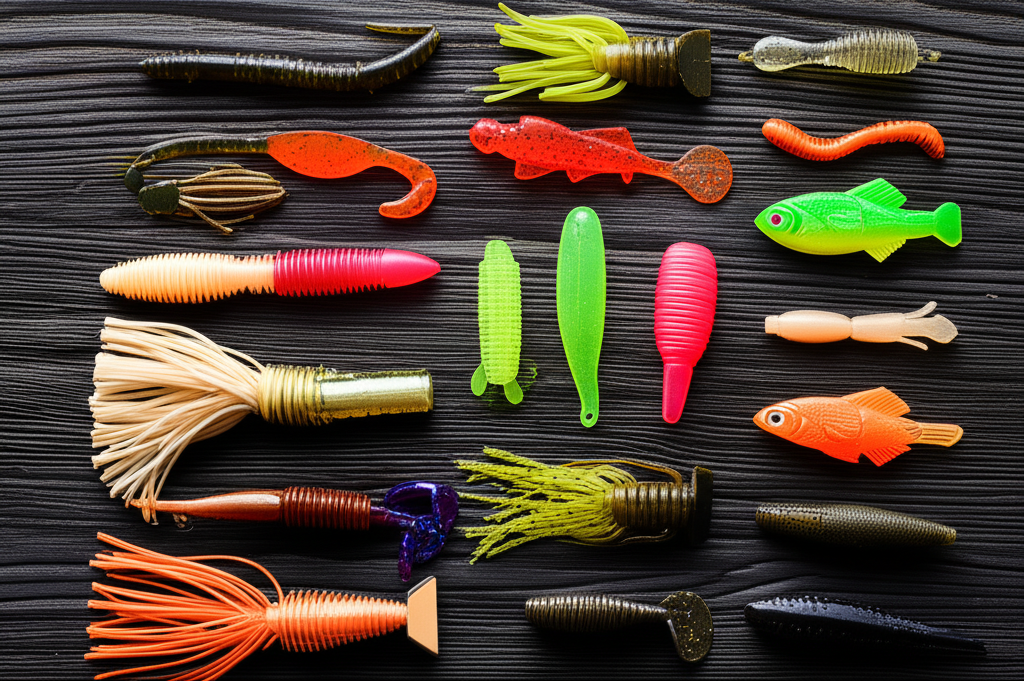
- Tube Bait: The star of the show. A hollow, soft-plastic lure with a tentacled skirt that traps air, creating a unique spiral fall and subtle underwater movement.
- Offset EWG Hook: The Extra Wide Gap (EWG) hook is essential for proper rigging, allowing the hook point to be buried back into the plastic to make it weedless while ensuring a high hook-up ratio.
- Bullet Weight: A cone-shaped weight (usually tungsten or lead) that slides freely on the line. It helps the bait penetrate cover and get to the bottom quickly.
- Bobber Stop (Optional): A small rubber stopper placed on the line above the weight. This allows you to either peg the weight against the tube for a more compact profile or let it slide freely for a different action.
Why texas rig tube fishing Matters: Key Benefits
In the world of bass fishing, few techniques offer the sheer versatility and effectiveness of texas rig tube fishing. Its ability to go where other lures can’t is its primary superpower. For anglers facing challenging conditions like thick vegetation or pressured fish, this technique is not just an option—it’s often the best solution for generating bites when nothing else works.
Ultimate Weedless Performance
The most significant advantage is its snag-resistant design. With the hook point concealed within the soft plastic body of the texas rig tube, you can confidently pitch or flip it into the heart of heavy cover. Imagine casting into a dense lily pad field or a submerged tree; a crankbait would snag instantly, but a Texas-rigged tube glides through, reaching the hidden bass that use this cover as an ambush point. This opens up entire sections of a lake that are unfishable with other methods.
Unmatched Versatility
The Texas rig tube isn’t a one-trick pony. By simply changing your weight size, retrieval speed, or the tube itself, you can adapt to countless scenarios. You can slowly drag it along the bottom to mimic a foraging crawfish, hop it to imitate a fleeing baitfish, or flip it into thick mats for a reaction strike. This adaptability makes texas rig tube fishing effective year-round, from the cold of early spring to the heat of late summer.
“The Texas-rigged tube is the four-wheel-drive vehicle of bass fishing. It can go anywhere and do anything. When the bite gets tough, it’s one of the few baits I know I can rely on to get bit.”
Complete Guide to texas rig tube fishing – Step-by-Step
Mastering the texas rig tube setup is straightforward once you understand the key steps. This process ensures your bait is perfectly weedless and has the correct action to attract bass. Follow this guide to rig like a pro every time.
Step 1: Select Your Gear
Your success starts with choosing the right components. The size and style of your tube, hook, and weight should match the cover you’re fishing and the size of the bass you’re targeting. For a versatile starting point, a 3.5-inch tube is standard.
- Select the Tube: Choose a tube based on water clarity and forage. Check out our section on texas rig tube colors below for specific recommendations.
- Choose the Hook: A 3/0 or 4/0 Extra Wide Gap (EWG) hook is perfect for most 3.5 to 4-inch tubes. Ensure the hook has enough bite to penetrate the plastic and the fish’s mouth.
- Pick the Weight: Use the lightest weight possible to maintain bottom contact. A 1/4 oz tungsten bullet weight is a great all-around choice for depths of 5-15 feet.
Step 2: Rig the Tube
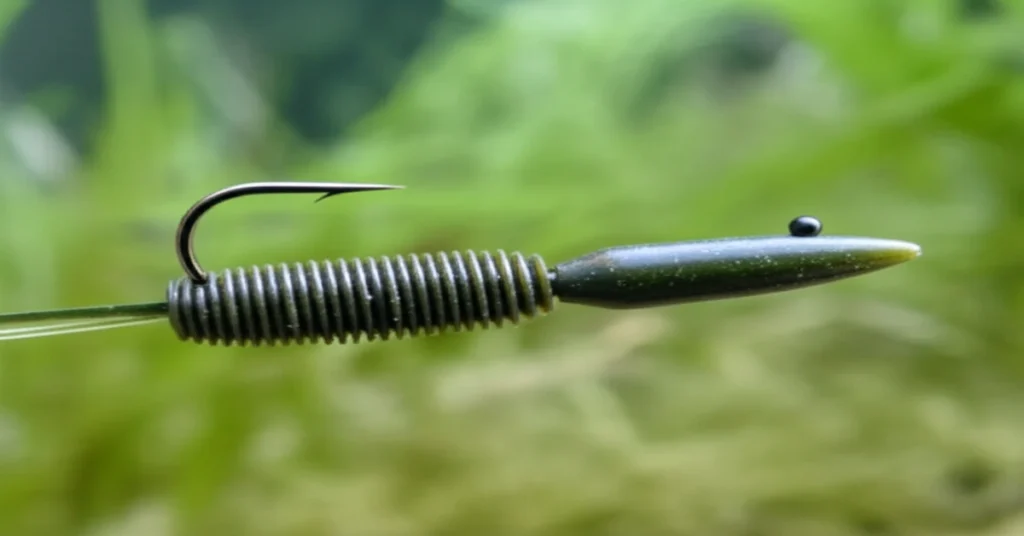
This is the most critical part of the texas rig tube setup. First, slide your bullet weight onto your main line, followed by a bobber stop if you plan to peg it. Tie your EWG hook to the end of the line using a strong knot like a Palomar or Uni-knot. Now, take the hook point and insert it about 1/4 inch into the center of the tube’s head. Push it through and exit the plastic. Slide the tube up the hook shank and over the hook eye. Finally, rotate the hook 180 degrees and insert the hook point back into the hollow body of the tube, ensuring the point is concealed but close to the surface for easy penetration on a hookset.
Step 3: Master the Presentation
How you fish the rig is just as important as how you tie it. The best texas rig tube presentation often depends on the mood of the fish and the environment. Start by casting to your target—a laydown, a weed edge, or a rock pile. Let the tube fall on a semi-slack line; its spiral descent is a key strike trigger. Once it hits the bottom, experiment with different retrieves: short hops, slow drags, or simply shaking the rod tip in place to make the tube’s tentacles quiver. Pay close attention to your line for any subtle jumps or ticks that signal a bite.
Expert Tips & Best Practices for texas rig tube fishing
Following best practices can dramatically increase your catch rate. Whether you are just starting or have been texas rig tube fishing for years, these tips will help you refine your approach and put more fish in the boat. Here are some of our favorite texas rig tube tips.
For Beginners:
- Start Simple with Colors: Don’t get overwhelmed by the endless texas rig tube colors. Stick to three basics: Green Pumpkin for clear to slightly stained water, Black with Blue Flake for murky water, and a White or Shad pattern for targeting fish feeding on baitfish.
- Feel the Bottom: Use a sensitive rod (graphite is best) and fluorocarbon line. Your primary goal is to feel what your tube is doing. Learning to distinguish between a rock, a log, and a subtle bass bite is the most important skill in this type of fishing.
- Practice Your Hookset: When you get a bite, reel down to remove any slack and sweep the rod upwards firmly, not violently. A Texas rig hookset is more of a powerful pull than a jarring snap.
For Advanced Users:
- Peg Your Weight in Heavy Cover: When flipping into dense grass or brush, use a bobber stop to peg the bullet weight against the tube’s head. This creates a single, streamlined package that penetrates cover much more efficiently and prevents the weight from separating from the bait.
- Master the Spiral Fall: One of the tube’s deadliest actions is its spiral on the fall. To maximize this, use a lighter weight and cast past your target. As the lure falls on a controlled slack line, it will glide and spiral down into the strike zone, triggering reaction bites from suspended or inactive bass.
5 Common texas rig tube fishing Mistakes to Avoid
Even the most effective techniques can fail if executed poorly. Avoiding these common pitfalls is crucial for consistent success with texas rig tube bass fishing. Many anglers give up on this technique because they make one of these simple errors.
Mistake #1: Using the Wrong Hook Size
The Problem: A hook that is too small won’t have a wide enough gap to clear the plastic and penetrate the fish’s jaw, leading to missed hooksets. A hook that is too large can impair the tube’s action and make it look unnatural.
The Solution: Match your hook to your bait. A good rule of thumb is a 3/0 EWG for 3.5″ tubes and a 4/0 or 5/0 EWG for 4″+ tubes. The hook point should rest about halfway down the tube’s body.
Mistake #2: Overworking the Lure
The Problem: Many anglers are too aggressive with their retrieve, hopping and dragging the tube constantly. The subtle, natural action of the tentacles is often most effective with minimal movement.
The Solution: Slow down. After the initial fall, let the tube sit on the bottom for 5-10 seconds. Often, a bass will pick it up while it’s sitting perfectly still. Use subtle shakes and slow drags instead of constant, fast hops.
Mistake #3: Neglecting Line Watching
The Problem: Bass bites on a Texas rig are often incredibly subtle. A fish might just lightly pick it up and swim off. If you’re only waiting to feel a big “thump,” you’re missing at least half of your bites.
The Solution: Always watch your line where it enters the water. Look for any unusual jumps, ticks, or sideways movement. High-visibility braided line with a fluorocarbon leader can make bite detection much easier.
Advanced texas rig tube fishing Strategies for 2024/2025
Once you’ve mastered the basics, you can explore advanced texas rig tube techniques to target specific situations. These cutting-edge approaches can unlock bites from highly pressured or difficult-to-reach bass, giving you an edge over other anglers.
Punching Matted Vegetation
In the summer and fall, bass often retreat under thick, matted vegetation like hydrilla or milfoil. A standard Texas rig won’t penetrate this canopy. By switching to a heavy (1 to 2 oz) tungsten bullet weight, a stout flipping hook, and a compact, durable texas rig tube, you can punch through the mat. The heavy weight creates a massive reaction strike as the bait suddenly crashes into the bass’s living room. This is a high-risk, high-reward technique that produces giant fish.
The Weightless Spiral
For targeting shallow, spooky bass around docks or sparse cover, try rigging a tube Texas-style without any weight at all. This creates an incredibly slow, tantalizing spiral on the fall. Cast it near a piling or weed edge and let it sink on a slack line. The presentation is so natural and non-threatening that it excels in clear water or on days with high fishing pressure. This is a finesse approach to a power fishing staple.
Essential Tools & Resources for texas rig tube fishing
Having the right gear is fundamental to success. While you don’t need the most expensive equipment, a well-balanced setup will enhance your feel, control, and hook-setting power, making the entire experience more effective and enjoyable.
Recommended Tools:
- Rod: A 7′ to 7’6″ medium-heavy power, fast-action casting rod is ideal. This length provides leverage for long casts and powerful hooksets, while the action offers the sensitivity to detect subtle bites.
- Reel: A casting reel with a gear ratio between 7.1:1 and 8.1:1 is perfect. A faster reel allows you to quickly pick up slack and get a solid hookset, especially when a fish bites and swims toward you.
- Line: 12-17 lb fluorocarbon line is the top choice. It’s virtually invisible underwater, highly abrasion-resistant for fishing around cover, and has low stretch for superior sensitivity and hook-setting power.
Additional Resources:
- Online Forums: Websites like BassResource provide a community of anglers who share valuable, real-time information on what’s working, including specific texas rig tube colors and presentations.
- YouTube Channels: Anglers like TacticalBassin and Flukemaster offer incredible visual demonstrations of rigging, casting, and advanced texas rig tube techniques.
Frequently Asked Questions About texas rig tube fishing
Q1: What are the best texas rig tube colors to start with?
Answer: While there are hundreds of options, you can cover 90% of situations with just a few key texas rig tube colors. Green Pumpkin is the undisputed champion for clear to stained water as it mimics both crawfish and bluegill. For dirty or muddy water, a Black/Blue Flake or Junebug texas rig tube provides a strong silhouette. In clear water where bass are feeding on shad or other baitfish, a white, pearl, or smoke-colored tube can be incredibly effective.
Q2: When is the best time of year for texas rig tube fishing?
Answer: The beauty of texas rig tube fishing is its year-round effectiveness. It shines during the pre-spawn when bass move shallow and relate to cover. It’s also a go-to during the summer and fall when fish are buried in thick vegetation. Even in winter, a tube dragged slowly on deep rock piles can trigger bites from lethargic bass.
Q3: How do I know when I have a bite on a Texas rig?
Answer: This is a key skill. Bites can range from a distinct “thump” to a mushy or heavy feeling, almost like you’ve snagged on weeds. The most common sign is a slight “tick” or your line suddenly swimming off to the side. If you feel anything out of the ordinary, reel up the slack and set the hook—hooksets are free!
Q4: Can I use a spinning rod for texas rig tube fishing?
Answer: Absolutely. While casting gear is often preferred for heavier cover, a medium-heavy power spinning rod is an excellent choice for lighter tubes, open water, or finesse presentations. Spool it with 10-15 lb braided line and an 8-12 lb fluorocarbon leader for a fantastic texas rig tube bass setup.
Conclusion: Master texas rig tube fishing for Long-term Success
The Texas-rigged tube is far more than just another soft plastic; it’s a foundational tool for any serious bass angler. Its unparalleled weedless design, subtle action, and incredible versatility make it a reliable choice for catching bass in the toughest conditions. By mastering the core principles of texas rig tube fishing, you equip yourself with a technique that produces year after year.
As you continue to refine your approach, remember that success comes from paying attention to the small details—the fall rate, the subtle feel of the bottom, and the slight jump of your line. Embrace the process, experiment with different retrieves and colors, and this simple rig will become one of your most trusted producers. The world of texas rig tube techniques is vast, and this guide provides the map you need to explore it with confidence and achieve consistent results on the water.
Related Articles You Might Find Helpful:
- A Deep Dive into the Best Texas Rig Tube Colors
- Carolina Rig vs. Texas Rig: When to Use Each
- Advanced Flipping and Pitching Techniques for Bass
What’s Your texas rig tube fishing Experience?
What’s your go-to tube color or favorite way to fish it? Share your best tips, success stories, or questions in the comments below. Let’s learn from each other!
Note: This guide reflects current best practices and is updated regularly to ensure accuracy. Last updated: October 17, 2023