Chatterbait vs Spinnerbait: An Expert Guide for 2024
You open your tackle box, and the age-old question strikes again: Chatterbait or Spinnerbait? For anglers everywhere, this decision can be the difference between a frustrating day on the water and a personal best. The debate over chatterbait vs spinnerbait is one of the most common in bass fishing, as both are proven fish-catchers, yet they excel in wildly different scenarios. This comprehensive guide will dissect the nuances of each lure, transforming your confusion into confident, strategic choices that put more fish in your boat.
We will move beyond a simple overview and provide a deep dive into the mechanics, applications, and advanced techniques that separate the pros from the amateurs. You will learn the critical chatterbait spinnerbait differences, understand exactly when to throw each one, and master the retrieves that trigger aggressive strikes. By the end, you’ll have a complete framework for your chatterbait vs spinnerbait fishing decisions, ensuring you always have the right tool for the job.
Table of Contents
- What is chatterbait vs spinnerbait?
- Key Benefits and Importance
- Complete Step-by-Step Guide
- Expert Tips & Best Practices
- Common Mistakes to Avoid
- Advanced Strategies for 2024/2025
- Essential Tools & Resources
- Frequently Asked Questions
What is chatterbait vs spinnerbait?
At their core, both the Chatterbait (a brand name for a bladed or vibrating jig) and the spinnerbait are reaction baits designed to elicit strikes from predatory fish through flash, vibration, and water displacement. However, the way they achieve this is fundamentally different, defining their unique roles in an angler’s arsenal.
Understanding this core chatterbait spinnerbait comparison is the first step toward mastery. A Chatterbait generates an intense, tight, and consistent vibration, while a spinnerbait produces a more subtle pulse and a significant visual flash. This complete chatterbait spinnerbait guide will explore these distinctions, covering everything from lure selection to advanced techniques, giving you the clarity needed for effective chatterbait spinnerbait fishing.
Key Components
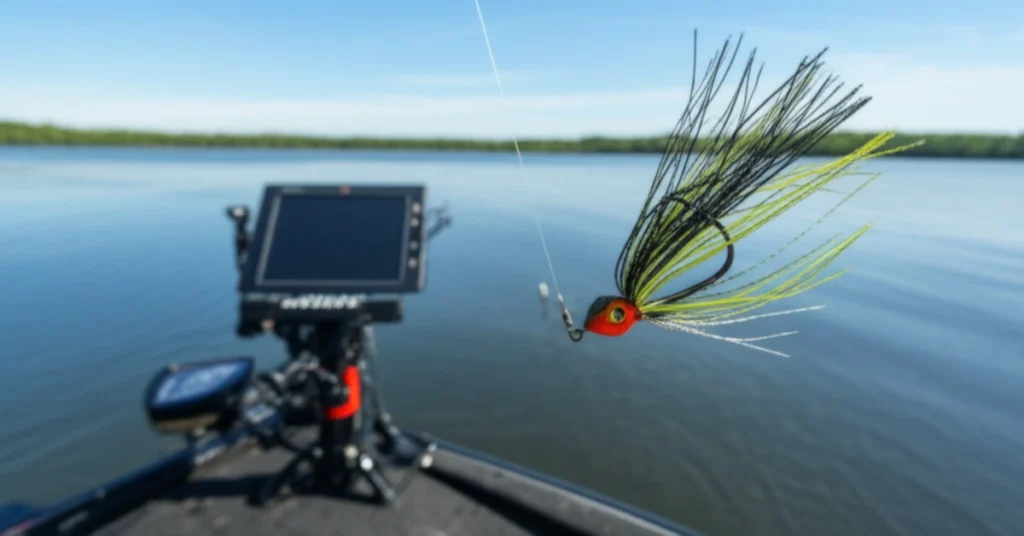
- Chatterbait Blade: A hexagonal, front-mounted blade connected directly to the line tie. This design creates a powerful, erratic swimming action and a distinct, hard-thumping vibration that fish can feel through their lateral line from a distance.
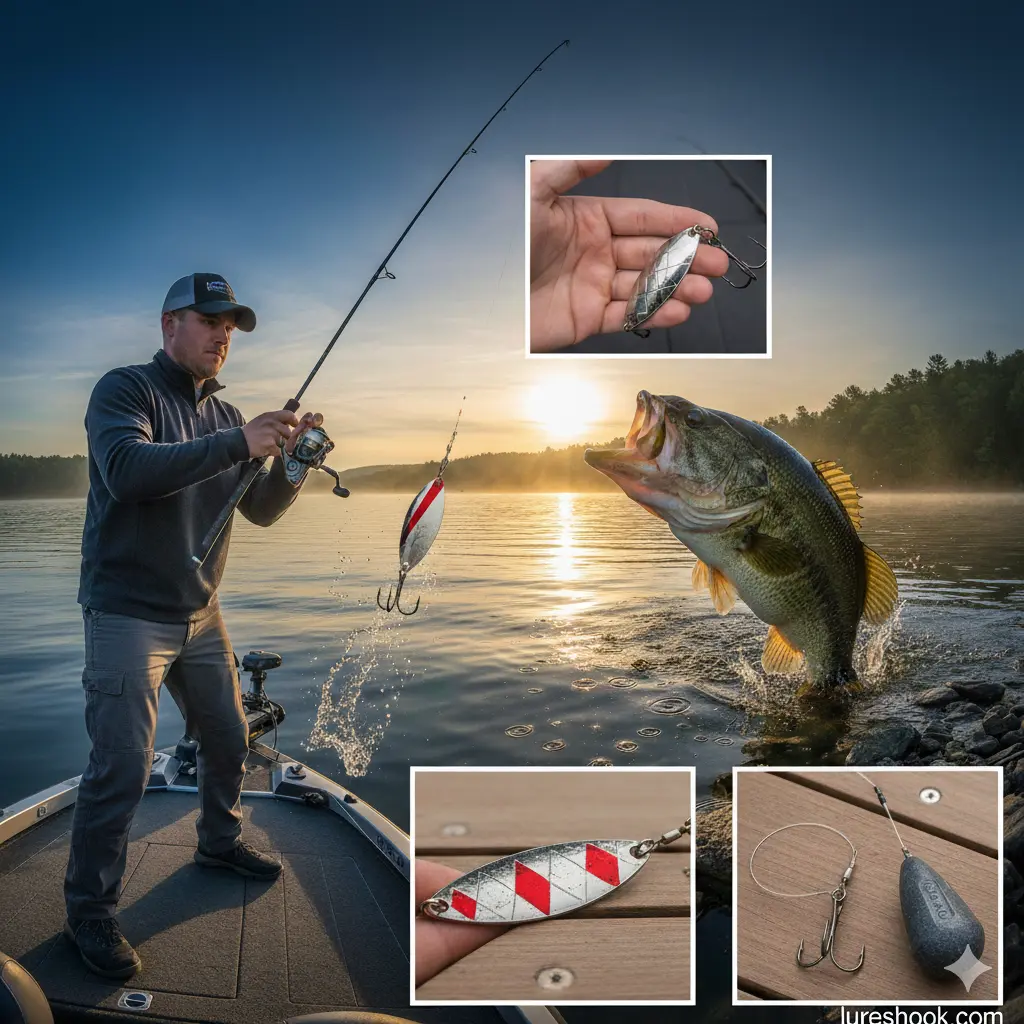
- Spinnerbait Arm & Blades: A V-shaped wire frame with one or more spinning blades (like Colorado, willow, or Indiana) on an upper arm. This setup is all about flash and a more rhythmic, rolling vibration, mimicking a small school of baitfish.
- Jig Head & Skirt: Both lures feature a weighted head and a silicone or rubber skirt. The head design influences how the lure moves through cover, while the skirt provides bulk, color contrast, and lifelike movement.
- Trailer Keeper & Hook: Both incorporate a main hook and a keeper to secure a soft plastic trailer. The trailer is crucial for adding profile, action, and scent, making the decision on chatterbait or spinnerbait often dependent on what trailer you plan to use.
Why chatterbait vs spinnerbait Matters: Key Benefits
Choosing correctly in the chatterbait vs spinnerbait dilemma isn’t just about preference; it’s about matching your presentation to the environment and the mood of the fish. Each lure offers a unique set of triggers. Industry data shows that bladed jigs and spinnerbaits account for millions in annual sales and countless tournament wins, proving their effectiveness when used in the right context.
The Unmatched Vibration of the Chatterbait
The primary benefit of a Chatterbait is its intense, high-frequency vibration. In stained or muddy water where visibility is low, this thump acts as a beacon, calling fish in to investigate. For example, on a post-frontal day with cloudy, 2-foot visibility water, a black and blue Chatterbait ripped through submerged grass can trigger reaction strikes from bass that would completely ignore a more visual lure like a spinnerbait.
The Visual Allure and Versatility of the Spinnerbait
A spinnerbait’s main advantage is its combination of flash and a more subtle, natural vibration. In clearer water, the spinning blades perfectly imitate the glimmer of a fleeing school of shad. Furthermore, its wire frame makes it exceptionally weedless, allowing it to be slow-rolled through timber, bumped off stumps, and worked over laydowns where a Chatterbait might snag. This versatility makes it a timeless classic.
“Don’t think of it as one versus the other. Think of them as a one-two punch. The Chatterbait is your power jab that gets their attention, and the spinnerbait is the follow-up cross that mimics panicked prey. You need both.” – Elite Series Pro Angler Insight
Complete Guide to chatterbait vs spinnerbait – Step-by-Step
Making the right choice between a chatterbait vs spinnerbait comes down to a simple, repeatable process. This step-by-step guide breaks down the key environmental factors that should dictate your decision on the water.
Step 1: Analyze Water Clarity and Light Conditions
This is the most critical factor. Your first action should always be to assess how far you can see into the water.
- Action Item: Determine water visibility (e.g., less than 2 feet, 2-4 feet, 5+ feet).
- Guidance: For murky or stained water (<2 ft visibility) or on overcast days, the Chatterbait's vibration excels. For clear to moderately clear water (>3 ft visibility) on sunny days, the spinnerbait’s flash is often more effective.
- Expected Outcome: You’ve narrowed your choice by 50% based on the primary sense the fish will use to find your lure (sound vs. sight).
Step 2: Identify the Dominant Cover
Next, determine what kind of structure or cover you’ll be fishing around. The design of each lure makes it better suited for different types of hang-ups. This is a crucial element in any chatterbait spinnerbait selection strategy.
A Chatterbait is exceptional when fished in and around submerged vegetation like hydrilla, milfoil, and coontail. Its blade allows it to be ripped free, which often triggers a strike. A spinnerbait, with its V-shaped wire frame, is a superior tool for navigating hard cover like wood laydowns, brush piles, and dock pilings, as the wire arm acts as a weed guard, deflecting snags.
Step 3: Consider the Forage and Fish’s Mood
Finally, think about what the bass are eating and how aggressive they are. Are they actively chasing schools of shad in open water, or are they hunkered down ambushing bluegill along a weed edge? The answer helps finalize your chatterbait or spinnerbait decision.
A spinnerbait with willow blades is an excellent imitation of a school of baitfish. A Chatterbait, especially with a craw-imitating trailer, can be fished slower along the bottom to mimic a crawfish or hopped erratically to imitate a fleeing bluegill. Understanding this helps you apply the right chatterbait spinnerbait techniques.
Expert Tips & Best Practices for chatterbait vs spinnerbait
Applying the right techniques and tips can dramatically increase your success rate. Following these best practices for chatterbait vs spinnerbait fishing will help you get the most out of each lure, whether you’re a novice or a seasoned angler.
For Beginners:
- Use the Right Rod: For a Chatterbait, use a 7′ to 7’4″ medium-heavy rod with a slower, more moderate action (like a composite or S-glass blend). This softer tip allows the fish to fully engulf the bait and prevents you from pulling the hook on the strike. For a spinnerbait, a standard fast-action graphite rod works perfectly.
- Always Add a Trailer: A soft plastic trailer is not optional. It adds bulk, secondary action, and lift. A swimbait-style trailer (like a Keitech Swing Impact) is great for both, while a craw-style trailer can give a Chatterbait a different look.
- Vary Your Retrieve: Don’t just cast and wind at a steady pace. Speed up, slow down, and pop the rod tip occasionally. These erratic movements are what trigger reaction strikes. These are fundamental chatterbait spinnerbait tips.
For Advanced Users:
- Modify Your Lures: Advanced anglers often customize their baits. Try swapping spinnerbait blades (e.g., putting a large Colorado blade on for a slow, thumping retrieve at night) or trimming the skirt on a Chatterbait for a more compact profile in clear water.
- Master the Rip-and-Pause: In grass, let your Chatterbait bog down slightly, then aggressively rip it free with a sharp upward snap of the rod. Most strikes occur right as the bait breaks free and darts away. This advanced technique is deadly.
5 Common chatterbait vs spinnerbait Mistakes to Avoid
Even the best lures are ineffective if used incorrectly. Avoiding these common pitfalls in the chatterbait vs spinnerbait game is crucial for consistent success and will help you troubleshoot a tough bite.
Mistake #1: Using the Wrong Line
The Problem: Many anglers use braided line for everything. With a Chatterbait, braid’s lack of stretch combined with a stiff rod can cause you to pull the bait away from the fish on the hookset or tear the hooks out during the fight.
The Solution: Use 15-20 lb fluorocarbon line for most Chatterbait applications. Its low stretch provides good sensitivity and hook-penetration power, but it has just enough give to act as a shock absorber. For spinnerbaits, fluorocarbon or monofilament works well.
Mistake #2: A Monotonous Retrieve
The Problem: A straight, unchanging retrieve makes the lure look unnatural and is easy for fish to ignore. Predatory fish are wired to react to erratic, unpredictable movements that signal vulnerability.
The Solution: Constantly change your retrieve speed. Give the reel handle a quick turn, pause it, or twitch your rod tip. Make the lure hunt and change direction to trigger a fish’s predatory instincts.
Mistake #3: Neglecting a Trailer Hook
The Problem: Both lures are notorious for short strikes, where a fish swipes at the bait but doesn’t get the main hook. This is especially true in colder water when fish are more lethargic.
The Solution: Always add a trailer hook unless you are fishing in extremely heavy cover where it might snag. A trailer hook can increase your hook-up ratio by as much as 50%, turning those frustrating taps into landed fish.
Mistake #4: Sticking to One Color
The Problem: Anglers often get locked into one or two “confidence” colors (like white for spinnerbaits and green pumpkin for Chatterbaits) and fail to adapt to changing conditions.
The Solution: Follow the general rule: use natural, translucent colors (whites, silvers, shads) in clear water and bright or dark, solid colors (chartreuse, black/blue) in dirty water to create a better silhouette.
Mistake #5: Setting the Hook Too Fast
The Problem: When you feel the “thump” of a bite on a moving bait, the natural instinct is to immediately jerk back. This often pulls the lure out of the fish’s mouth before it has fully committed.
The Solution: Practice the “reel-down” hookset. When you feel the bite, keep reeling and sweep the rod to the side. This ensures the line is tight and allows the fish to turn with the bait, resulting in a solid hookset in the corner of the mouth.
Advanced chatterbait vs spinnerbait Strategies for 2024/2025
As fishing technology evolves, so do the techniques. For 2024 and beyond, integrating modern electronics and approaches into your chatterbait vs spinnerbait game can provide a significant edge over other anglers.
Leveraging Forward-Facing Sonar (FFS)
With tools like Garmin LiveScope or Lowrance ActiveTarget, you can now watch how fish react to your lure in real-time. Cast your Chatterbait or spinnerbait past a target you see on screen and watch the fish’s response. If it turns to follow a spinnerbait but won’t commit, it may be a sign to switch to the harder thump of a Chatterbait to trigger a reaction. This technology removes the guesswork from the chatterbait spinnerbait comparison on the fly.
“Strolling” for Suspended Bass
A burgeoning technique for suspended, offshore bass is “strolling” or “long-lining” these lures. Using your trolling motor on a low setting, let out 100-150 feet of line with a 1/2 oz or heavier spinnerbait or Chatterbait. This allows the lure to reach deeper depths (15-25 feet) and stay in the strike zone for nomadic, bait-chasing bass that traditional casting can’t effectively target. It’s an advanced method that is winning tournaments across the country.
Essential Tools & Resources for chatterbait vs spinnerbait
Having the right gear is non-negotiable for effectively fishing these power baits. Here’s a breakdown of the essential tools and resources that form a complete system for your chatterbait spinnerbait fishing.
Recommended Tools:
- Chatterbait Rod: 7’3″ Medium-Heavy, Moderate-Fast Action Composite Rod. This provides the perfect blend of casting power and a forgiving tip. Look at brands like St. Croix (Legend Glass) or Dobyns (Champion XP Cranking series).
- Spinnerbait Rod: 7′ Medium-Heavy, Fast Action Graphite Rod. A standard, sensitive bass rod is perfect for feeling the blades turn and driving the hook home. A G. Loomis IMX or Shimano Expride is a great choice.
- Reels & Line: A 6.3:1 to 7.5:1 gear ratio baitcasting reel is ideal. Spool it with 17 lb fluorocarbon for general use. In heavy grass, you can upgrade to 50 lb braided line with a fluorocarbon leader for your Chatterbait.
- Essential Lures: Always have a 1/2 oz Z-Man Evergreen Jack Hammer (Chatterbait) in Green Pumpkin and a 1/2 oz War Eagle Spinnerbait with double willow blades in a shad pattern. These are the gold standards.
Additional Resources:
- YouTube Channels: Follow professional anglers like Scott Martin and Jacob Wheeler. They provide invaluable, on-the-water demonstrations of chatterbait spinnerbait techniques in various conditions.
- Online Forums: Websites like BassResource.com have dedicated forums where anglers share their daily experiences, successful color patterns, and modifications for specific bodies of water.
Frequently Asked Questions About chatterbait vs spinnerbait
Q1: What is the single biggest factor in the chatterbait vs spinnerbait decision?
Answer: Water clarity is undeniably the most important factor. In simple terms: the dirtier the water, the more you should lean towards a Chatterbait for its powerful vibration. The clearer the water, the more a spinnerbait’s visual flash will excel. This is the foundation of any good chatterbait spinnerbait guide and the first question you should ask yourself when you get to the lake.
Q2: Can I use the same rod and reel setup for both lures?
Answer: While you can get by with one setup, it’s not optimal. A dedicated Chatterbait rod with a more moderate, parabolic bend will significantly improve your landing ratio by absorbing the fish’s head shakes. A faster, stiffer spinnerbait rod provides better hook-setting power and sensitivity to feel the blades. If you must choose one, a 7’2″ medium-heavy fast action rod is the most versatile compromise.
Q3: When is a Chatterbait better than a spinnerbait in heavy grass?
Answer: A Chatterbait truly shines when fishing *in* submerged grass like hydrilla or milfoil. Its design allows you to rip it free from the vegetation, and this sudden, erratic darting action is a massive strike trigger. A spinnerbait is better for fishing *over the top* of the grass or along the edges, as its wire frame can collect grass and foul the action if pulled directly through it.
Q4: What are the best all-around colors for a beginner to start with?
Answer: To cover most situations, start with three key colors for each lure. For your Chatterbait, get a Green Pumpkin, a Black/Blue, and a Shad/White pattern. For your spinnerbait, get a solid White or White/Chartreuse, a natural Shad pattern, and a Firetiger or another bright color for extremely dirty water. This basic chatterbait spinnerbait selection will prepare you for a wide range of conditions.
Conclusion: Master chatterbait vs spinnerbait for Long-term Success
The great chatterbait vs spinnerbait debate isn’t about finding a single winner, but about understanding that you have two elite, specialized tools in your tackle box. The Chatterbait dominates in stained water and around grass with its unparalleled vibration, while the spinnerbait excels in clearer water and around hard cover with its brilliant flash and weedless design. Mastering when and how to deploy each is a hallmark of a skilled angler.
By internalizing the principles of this guide—assessing water clarity, cover, and forage—you can elevate your fishing game significantly. The future of angling involves not just using these baits, but optimizing them with modern technology and techniques. Continue to experiment with this detailed chatterbait spinnerbait guide, pay attention to the results, and you’ll find that the chatterbait or spinnerbait question becomes less of a guess and more of a confident, strategic decision that consistently leads to success.
Related Articles You Might Find Helpful:
- The Ultimate Guide to Bass Fishing in Murky Water
- How to Choose the Right Soft Plastic Trailer for Any Lure
- Advanced Techniques for Fishing Submerged Vegetation
What’s Your chatterbait vs spinnerbait Experience?
Do you have a go-to Chatterbait or spinnerbait that never fails? Share your favorite lure, color, and a success story in the comments below. We’d love to hear what’s working for you on the water!
Note: This guide reflects current best practices and is updated regularly to ensure accuracy. Last updated: [Current Date]