Buzzbait Fishing Seasons: The Ultimate Angler’s Guide
There’s no sound in fishing quite like the sudden, violent explosion of a bass inhaling a buzzbait skittering across the surface. It’s a heart-stopping moment that anglers live for, but many mistakenly relegate this thrilling technique to just a few months of the year. The secret to unlocking its full potential lies in understanding the nuances of buzzbait fishing seasons. This guide solves the problem of seasonal inconsistency by providing a comprehensive roadmap to catching bass on a buzzbait from the first thaws of spring to the cold snaps of winter. You’ll learn how to adapt your approach, select the right lure, and read the water for year-round topwater success.
This isn’t just about tying on a lure; it’s about mastering a mindset. By synchronizing your strategy with the rhythms of nature, you transform the buzzbait from a hit-or-miss option into a consistent, big-fish producer. We’ll dive deep into seasonal patterns, water temperature triggers, and the subtle adjustments that separate amateur anglers from seasoned experts. Get ready to build a complete buzzbait fishing calendar that keeps you in the action, no matter what the thermometer says.
Table of Contents
- What are buzzbait fishing seasons?
- Key Benefits and Importance
- Complete Step-by-Step Guide
- Expert Tips & Best Practices
- Common Mistakes to Avoid
- Advanced Strategies for 2024/2025
- Essential Tools & Resources
- Frequently Asked Questions
What are buzzbait fishing seasons?
Buzzbait fishing seasons refer to the practice of adapting buzzbait presentations, lure choices, and locations based on the time of year to match the behavior and metabolism of bass. It’s the recognition that a successful summer strategy will likely fail in the colder water of spring or fall. Success depends on a deep understanding of how environmental factors influence fish activity throughout the year.
This comprehensive approach involves much more than just noting the date. It integrates key concepts like spring buzzbait fishing, which focuses on warming trends, and aggressive summer buzzbait fishing in low-light conditions. It also includes the prime-time action of fall buzzbait fishing when bass gorge on shad, and even the niche opportunities of winter buzzbait fishing. Mastering these seasonal buzzbait patterns requires a dynamic buzzbait fishing calendar and a keen eye for seasonal buzzbait selection. Anglers must also become experts in buzzbait weather fishing and buzzbait temperature fishing, using these variables to refine their tactics and apply specific buzzbait seasonal tips.
Key Components
- Water Temperature: The single most important factor, dictating bass metabolism, feeding windows, and retrieve speed.
- Bass Location & Behavior: Understanding where bass position themselves in the water column and their willingness to chase a fast-moving lure during different seasons.
- Forage Base: Matching your buzzbait’s size, color, and speed to the primary baitfish (like shad or bluegill) that bass are actively feeding on.
- Environmental Conditions: Leveraging factors like wind, cloud cover, and precipitation to identify high-percentage times for a topwater bite.
Why buzzbait fishing seasons Matters: Key Benefits
Failing to adapt your topwater strategy is like trying to wear shorts in a snowstorm—it simply doesn’t fit the conditions. Understanding buzzbait fishing seasons moves you from guessing to executing a calculated, effective plan. Anglers who master these principles consistently report higher catch rates and bigger fish, turning a situational lure into a year-round weapon.
Increases Your Catch Rate Year-Round
The most significant benefit is the ability to catch fish on a buzzbait outside the traditional “summer topwater” window. For example, knowing that a slow-rolled, clacker-style buzzbait can trigger massive pre-spawn females during the first warming trend of spring can open up a whole new dimension to your fishing. Instead of waiting for perfect conditions, you learn to create opportunities by adapting your approach, effectively extending your topwater season by months. This mastery of seasonal buzzbait patterns ensures you’re always using the most effective presentation.
Targets Trophy-Sized Bass
Big bass are intelligent, energy-conscious predators. They won’t expend the effort to chase a surface lure unless the reward is high and the timing is right. A properly presented buzzbait, matched to the season, mimics a large, easy meal. During the fall, a white buzzbait ripped over a point where bass are ambushing shad is an irresistible offering for the biggest fish in the lake. By tailoring your seasonal buzzbait selection, you present an offering that trophy fish are genetically programmed to attack.
“The best anglers don’t have secret lures; they have a deep understanding of timing and season. Knowing when to speed up, slow down, or change your buzzbait’s profile based on the time of year is what separates good trips from great ones.”
Complete Guide to buzzbait fishing seasons – Step-by-Step
Following a structured, seasonal approach is the key to consistent buzzbait success. This buzzbait fishing calendar breaks down the year into four distinct phases, each with its own set of rules, strategies, and lure choices. Think of this as your playbook for every trip to the lake.
Step 1: Spring Buzzbait Fishing (Water Temps 55-70°F)
As the water warms, bass move shallow to feed and prepare for the spawn. This is a prime time for spring buzzbait fishing, but it demands a specific approach. Focus on the afternoon hours when the sun has had time to warm shallow flats and cover. The key is buzzbait temperature fishing; that 55°F mark is often the magic trigger.
- Lure Selection: Choose smaller, more subtle buzzbaits (1/4 to 3/8 oz). White, chartreuse, or bluegill patterns work well. A squeaky, non-clacker model is often best as bass can still be skittish.
- Location: Target secondary points, the backs of pockets, and shallow flats with nearby deep-water access. Stumps, laydowns, and the edges of emerging vegetation are prime targets.
- Retrieve: Start with a slow and steady retrieve. The goal is to keep the bait on the surface but move it just fast enough to create that signature gurgle.
Step 2: Summer Buzzbait Fishing (Water Temps 70°F+)
This is classic buzzbait season, but the bite is often concentrated in specific windows. The intense heat of midday pushes bass deep or into thick cover. Therefore, summer buzzbait fishing is most effective during low-light periods. Fish early in the morning, late in the evening, or all day if you have heavy cloud cover.
- Lure Selection: This is the time for larger (1/2 oz+), louder buzzbaits. Baits with clackers or double blades create more commotion to draw fish from a distance. Black is a killer color for low-light and night fishing, while white excels on overcast days.
- Location: Focus on shade lines from docks, overhanging trees, and emergent grass beds. Main lake points and sea walls are also excellent morning and evening spots.
- Retrieve: You can now use a much faster retrieve speed. Burning the buzzbait across the surface can trigger explosive reaction strikes from aggressive, well-fed bass.
Step 3: Fall Buzzbait Fishing (Water Temps 70°F down to 55°F)
Many pros consider fall buzzbait fishing to be the absolute best time of year for this technique. As the water cools, baitfish migrate into the backs of creeks, and bass follow them in a feeding frenzy. Your primary job is to “match the hatch” by imitating fleeing shad.
- Lure Selection: Go with shad-imitating colors like white, silver, or smoke. A 3/8 or 1/2 oz model is a great all-around choice. Consider a buzzbait with a silver blade to add extra flash.
- Location: Find the baitfish, and you’ll find the bass. Target creek channels, long tapering points, and shallow flats where you see shad activity on the surface.
- Retrieve: Vary your retrieve. A steady retrieve works well, but don’t be afraid to briefly pause or speed up your retrieve when you get near cover to trigger a strike. This is a crucial one of our buzzbait seasonal tips.
Expert Tips & Best Practices for buzzbait fishing seasons
Following a few fundamental rules and advanced techniques can dramatically improve your success with the buzzbait. These best practices are designed to help you catch more fish, avoid frustration, and truly master the art of buzzbait fishing seasons.
For Beginners:
- Always Add a Trailer Hook: A buzzbait has a notoriously low hookup ratio. Adding a trailer hook will easily increase your landing percentage by 50% or more. This is non-negotiable.
- Master the Cast: Your buzzbait should land softly and you should start your retrieve the second it hits the water. A lure that sinks a foot before it starts churning is a wasted cast. Practice casting past your target and bringing the bait through the strike zone.
- Start with Two Colors: Don’t get overwhelmed by lure choice. A simple black buzzbait for low-light conditions and a white one for daytime will cover 90% of situations you’ll encounter.
For Advanced Users:
- Tune Your Buzzbait for a Squeak: Experienced anglers know that a high-pitched squeak drives bass crazy. Achieve this by slightly pinching the rivet holding the blade or by running the bait for hours until it wears in. This custom sound can be the difference-maker on pressured water.
- Incorporate Pauses and Twitches: A standard, steady retrieve is effective, but advanced anglers manipulate the bait. A slight pause near a stump or a quick twitch of the rod tip can make the buzzbait sputter and flare, triggering a following bass to commit. This tactic shines during fall buzzbait fishing.
5 Common buzzbait fishing seasons Mistakes to Avoid
Even seasoned anglers can fall into bad habits. Avoiding these common mistakes is crucial for maximizing your time on the water and ensuring your buzzbait is performing at its peak. Correcting these errors will lead to more strikes and more fish in the boat.
Mistake #1: Using the Wrong Rod and Reel
The Problem: Many anglers use a rod that is too stiff (heavy or extra-fast action). This can cause you to pull the bait away from the fish on the strike and makes casting lighter buzzbaits difficult.
The Solution: Use a 7′ to 7’4″ medium-heavy rod with a moderate-fast or fast action. This softer tip allows the bass to fully take the bait before you set the hook. Pair it with a high-speed baitcasting reel (7.1:1 or faster) to quickly pick up slack and keep the bait on the surface.
Mistake #2: Ignoring Weather Conditions
The Problem: Fishing a buzzbait on a calm, bright sunny day is a low-percentage tactic. Bass are less likely to come to the surface when the water is clear and the sun is high.
The Solution: Become a student of buzzbait weather fishing. A buzzbait excels in conditions that break up the water’s surface, such as wind, cloud cover, or light rain. These are your prime times to throw it, regardless of the season.
Mistake #3: Sticking to a Single Retrieve Speed
The Problem: Fish are moody. The lightning-fast retrieve that worked yesterday might be too aggressive for the lethargic bass of today.
The Solution: Always experiment with your retrieve speed. Start with a medium pace, then try burning it, and then try slowing it down to a crawl where the blade barely turns. Let the fish tell you what they want on that particular day.
Mistake #4: Improper seasonal buzzbait selection
The Problem: Using a loud, 1/2 oz clacker buzzbait in the early spring when the water is 58 degrees is a recipe for spooking fish. The lure choice must match the conditions and the season.
The Solution: Build a small, versatile arsenal. Have a few 1/4 oz subtle baits for spring, some 1/2 oz clackers for summer, and a variety of shad-colored 3/8 oz baits for fall. Adapting your lure is as important as adapting your location.
Mistake #5: Setting the Hook Too Early
The Problem: The explosive visual strike makes anglers react instantly, pulling the lure away from the bass before it has it securely. This is the #1 reason for missed buzzbait fish.
The Solution: Wait until you feel the weight of the fish on your line before you swing. It takes discipline, but train yourself to hesitate for a split second after you see the blow-up. This single tip will dramatically improve your hookup ratio.
Advanced buzzbait fishing seasons Strategies for 2024/2025
Once you’ve mastered the basics of seasonal adaptation, you can start incorporating cutting-edge techniques. These strategies for 2024/2025 are designed to trigger bites from pressured fish and in unconventional situations, further expanding your understanding of buzzbait fishing seasons.
The Lift and Drop Technique
This is a deadly tactic for winter buzzbait fishing or any time bass are sluggish. Cast your buzzbait and retrieve it as slowly as possible—just enough to keep the blade turning. As you approach key cover like a stump or dock piling, kill the retrieve and let the buzzbait and its trailer skirt flutter down for a second or two before resuming. This mimics a stunned or dying baitfish and can trigger a reaction strike from bass that are unwilling to chase a fast-moving target.
Calling Up Suspended Fish
During summer and early fall, bass will often suspend over deep water, especially around submerged grass or timber. Most anglers ignore these fish with topwater. However, a loud, heavy buzzbait can be used to call them to the surface. Make long casts over these areas and use a steady, medium-to-fast retrieve. The commotion can draw curious bass from 10-15 feet down for a spectacular strike. This is an advanced application of summer buzzbait fishing that few anglers utilize.
Essential Tools & Resources for buzzbait fishing seasons
Having the right gear and information is critical for effectively applying the principles of buzzbait fishing seasons. This isn’t about having the most expensive equipment, but the most appropriate for the job.
Recommended Tools:
- Dedicated Buzzbait Rod: A 7’0″-7’4″ medium-heavy rod with a moderate-fast action. The softer tip is crucial for hookups. Look for models specifically designed for moving baits.
- High-Speed Reel: A baitcasting reel with a gear ratio of at least 7.1:1. This speed is essential for quickly engaging the lure at the start of the cast and for burning it when needed.
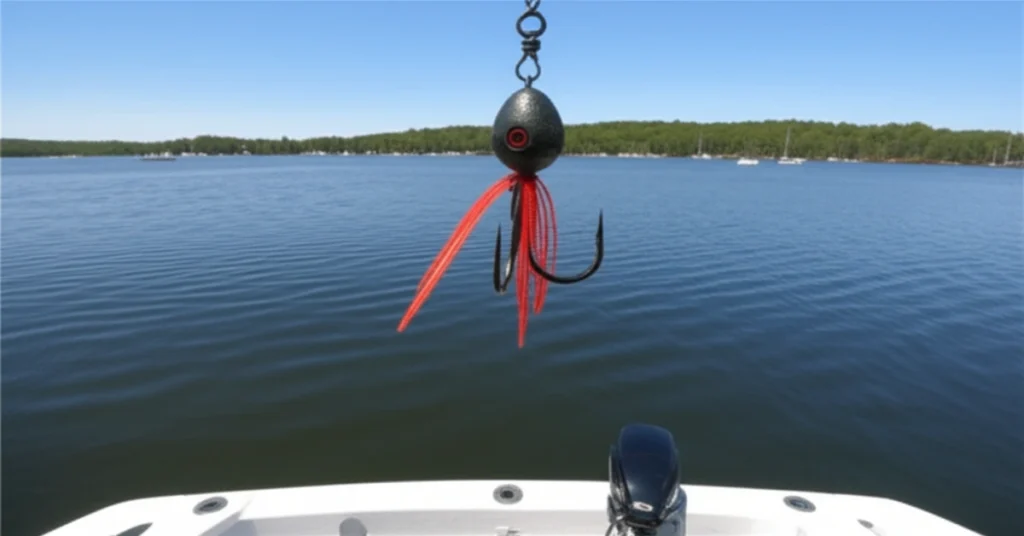
- Versatile Lure Assortment: Your box should contain buzzbaits in 1/4, 3/8, and 1/2 oz sizes, in black, white, and a shad pattern. Include models with and without clackers to adapt to water clarity and fish mood. Don’t forget sharp trailer hooks.
Additional Resources:
- Weather & Solunar Apps: Use a reliable weather app to monitor wind, cloud cover, and approaching fronts. These are key triggers for buzzbait weather fishing. Solunar tables can help pinpoint peak feeding times.
- Lake Contour Maps: Apps like Navionics or Fishidy help you identify seasonal locations like shallow spawning flats for spring or deep creek channels for fall, allowing you to build a better game plan before you even launch the boat.
Frequently Asked Questions About buzzbait fishing seasons
Q1: What does a perfect buzzbait fishing calendar look like for all four seasons?
Answer: A perfect buzzbait fishing calendar is flexible but follows a general pattern. For spring buzzbait fishing, start when water hits 55°F, focusing on slow retrieves in shallow, warming areas. For summer buzzbait fishing, focus on low-light periods with faster, louder baits around cover. Prime fall buzzbait fishing involves matching shad colors and covering water on points and flats as temperatures drop from 70°F. The most challenging, winter buzzbait fishing, is reserved for significant warming trends in southern regions, using an ultra-slow retrieve. This calendar is guided by buzzbait temperature fishing and requires constant adjustment based on current conditions and your seasonal buzzbait selection.
Q2: What’s the best line for buzzbait fishing?
Answer: This often comes down to personal preference, but there are three great options. 15-20 lb monofilament is a classic choice because it stretches, which can help with hookups, and it floats. 30-50 lb braided line is excellent for fishing around heavy vegetation because it cuts through grass and has no stretch for powerful hooksets. A third option is a 20 lb braid tied to a short 17-20 lb mono leader, giving you the best of both worlds.
Q3: How do I stop my buzzbait from rolling over on its side?
Answer: A buzzbait rolling over is usually caused by one of three things: retrieving it too fast, an improperly tuned wire frame, or a bulky trailer that’s throwing off the balance. First, slow your retrieve slightly. If it still rolls, gently bend the wire arm with the blade slightly upward. Lastly, try a more streamlined soft plastic trailer or remove it altogether.
Q4: Can you fish a buzzbait in very clear water?
Answer: Yes, but it’s more challenging. In clear water, bass can get a better look at the lure and may shy away. Success in these conditions relies heavily on buzzbait weather fishing. You need a significant surface disturbance, like a windy day or cloud cover, to mask the lure’s profile. Also, use longer casts and more natural colors like smoke or translucent patterns.
Conclusion: Master buzzbait fishing seasons for Long-term Success
The buzzbait is far more than a simple lure; it’s a dynamic tool that can produce incredible results in the right hands, at the right time. By moving beyond a one-size-fits-all approach and embracing the concept of buzzbait fishing seasons, you unlock its true, year-round potential. The key takeaways are to let water temperature guide your technique, match your lure to the dominant forage, and always pay attention to weather and light conditions.
As you move forward, use this guide as your foundation. Continue to experiment and take notes on what works on your local bodies of water. A deep understanding of spring buzzbait fishing, the nuances of summer buzzbait fishing, the excitement of fall buzzbait fishing, and even the niche of winter buzzbait fishing will make you a more complete and successful angler. This mastery of seasonal buzzbait patterns and dedication to learning buzzbait seasonal tips will ensure you’re always prepared for that heart-stopping topwater explosion.
Related Articles You Might Find Helpful:
- Your Complete Guide to Seasonal Buzzbait Selection
- Top 5 Mistakes Anglers Make with Topwater Lures
- Advanced Buzzbait Temperature Fishing: A Pro’s Guide
What’s Your buzzbait fishing seasons Experience?
Do you have a favorite season to throw a buzzbait? Share your best tip or most memorable buzzbait catch in the comments below!
Note: This guide reflects current best practices and is updated regularly to ensure accuracy. Last updated: October 23, 2023