Mastering Buzzbait Blade Types: The Ultimate Guide
There’s no sound in fishing quite like the violent explosion of a bass inhaling a buzzbait churning across the surface. That signature gurgle, sputter, and squeak is a dinner bell for aggressive predators, but not all buzzbaits are created equal. The secret to unlocking consistent topwater success lies in understanding the subtle yet crucial differences among buzzbait blade types. Many anglers grab any buzzbait off the peg, unaware that its blade design is dictating its speed, sound, and ultimate effectiveness. This comprehensive guide will transform your approach, moving you from random casts to strategic presentations by demystifying every aspect of blade design.
We will dive deep into the mechanics of what makes a buzzbait work, exploring how different materials, shapes, and configurations impact your lure’s action. You’ll learn not just what the various buzzbait blade types are, but precisely when and why to use each one. This knowledge is the dividing line between a frustrating day on the water and the heart-pounding thrill of a topwater bite. Get ready to elevate your topwater game by mastering the engine of the buzzbait: its blade.
Table of Contents
- What are buzzbait blade types?
- Key Benefits and Importance
- Complete Step-by-Step Guide
- Expert Tips & Best Practices
- Common Mistakes to Avoid
- Advanced Strategies for 2024/2025
- Essential Tools & Resources
- Frequently Asked Questions
What are buzzbait blade types?
In essence, buzzbait blade types refer to the diverse variations in the rotating propeller-like component at the front of a buzzbait lure. This blade is the lure’s engine, responsible for creating the lift, commotion, and sound that triggers predatory strikes from fish like largemouth bass. The specific design of the blade dictates the lure’s entire performance profile.
A successful buzzbait blade selection process involves considering every aspect of its design, from material to shape. Anglers must weigh the pros and cons of single blade buzzbaits versus double blade buzzbaits, and understand how different buzzbait blade sizes and buzzbait blade colors affect the presentation. This complete buzzbait blade guide is essential for effective buzzbait blade fishing, as the right blade choice can dramatically improve your lure’s performance and, consequently, your catch rate. Mastering these buzzbait blade choices gives you a significant advantage.
Key Components
- Blade Material: Most commonly aluminum, but also steel, brass, or plastic. Aluminum is light and provides quick lift, while harder metals create a different sound and plastic offers a more subtle presentation.
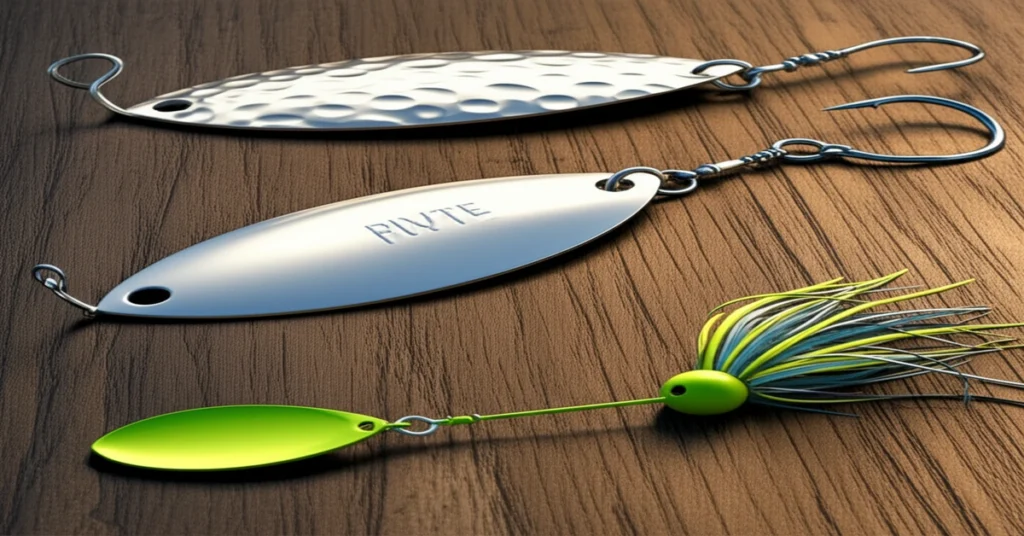
- Blade Shape: The geometry of the blade. Common shapes include the triangular Delta wing, the rounded Chopper/Round blade, and multi-winged designs, each creating a unique sound and level of water displacement.
- Blade Configuration: This refers to the number of blades. The choice between single blade buzzbaits and double blade buzzbaits is a fundamental decision that affects lift, speed, and sound profile.
- Clacker vs. Non-Clacker: Some buzzbait blade types are designed with a small secondary “clacker” blade or have the main blade hit the lure’s head, creating a loud, rhythmic clicking sound to attract fish from a distance.
Why buzzbait blade types Matters: Key Benefits
Understanding the nuances of buzzbait blade types is not just for tackle junkies; it’s a practical skill that directly translates to catching more fish. The blade is the primary variable you can control to adapt your presentation to specific conditions. Choosing the right blade means you can fine-tune your lure’s sound, speed, and profile to match the mood of the fish and the environment you’re in, a critical factor for consistent success.
Controlling Sound and Commotion
The primary benefit of mastering blade selection is the ability to control the lure’s auditory footprint. A large, cupped aluminum blade creates a deep, gurgling “plop-plop-plop” sound that draws fish from long distances in murky water or thick cover. Conversely, a smaller, flatter plastic blade produces a subtle fizzing sound, ideal for clear water or highly pressured fish. The choice between a clacking and non-clacking blade further allows you to dial in your sound from aggressive to stealthy.
Dictating Retrieve Speed and Lift
Different buzzbait blade types are engineered for specific retrieve speeds. Blades with larger surface areas or more cupped designs generate significant lift, allowing you to retrieve the lure incredibly slowly while keeping it on the surface. This is a deadly technique for lethargic bass. In contrast, flatter, more streamlined blades require a faster retrieve to stay on top, making them perfect for covering water quickly and triggering reaction strikes from active fish. Your buzzbait blade performance is directly tied to this principle.
“The biggest mistake I see anglers make is treating all buzzbaits the same. The blade is an instrument. You have to pick the right one for the music you want to play that day, whether it’s a loud rock concert or a quiet acoustic set.”
Complete Guide to buzzbait blade types – Step-by-Step
Strategic buzzbait blade selection is a process. By breaking it down into logical steps, you can confidently choose the perfect blade for any situation you encounter. This systematic approach eliminates guesswork and ensures your lure is optimized for maximum effectiveness.
Step 1: Assess the Environmental Conditions
Your first consideration should always be the environment. Water clarity, wind, and the type of cover you’re fishing will heavily influence your choice of buzzbait blade types.
- Water Clarity: In muddy or stained water, opt for larger, louder blades (like a big delta or clacker blade) to help fish locate the lure. In clear water, downsize to smaller, subtler blades (like a small round or plastic blade) to avoid spooking fish.
- Wind/Chop: Windy conditions create surface chop that can swallow the sound and action of a small buzzbait. Use larger blades or double blade buzzbaits to create more commotion and prevent the lure from being washed out.
- Cover Type: When fishing around heavy vegetation, a buzzbait that gets on plane quickly is key. A lightweight aluminum delta blade is perfect for this. Around wood or docks, a clacker model can be extremely effective at calling fish out.
Step 2: Choose Your Configuration: Single vs. Double Blades
The next major decision is the number of blades. Single blade buzzbaits are the all-around standard, offering a classic sound and versatile performance. However, double blade buzzbaits excel in specific scenarios by providing more lift, allowing for an ultra-slow retrieve while creating a unique buzzing sound. They are also excellent in choppy water due to their increased stability and surface disturbance.
Step 3: Select the Right Blade Shape and Material
Now, dial in the shape. A Delta (triangular) blade is the workhorse; it gets on plane fast and runs true at various speeds. A Round or Chopper blade creates more of a sputtering, less consistent sound that can be deadly on pressured fish. For material, aluminum is standard for its quick start-up. Consider plastic for a stealthy approach or harder metals like steel when you want a high-pitched squeak and extra durability for a clacker-style lure.
Step 4: Finalize with Size and Color
The final step involves selecting from the various buzzbait blade sizes and buzzbait blade colors. Blade size should correspond to the overall lure profile and desired retrieve speed—larger blades for slower retrieves and a bigger profile. For blade color, classic choices like silver and gold mimic baitfish flash. Black is excellent for low-light conditions (dusk, dawn, cloudy days) as it creates a strong silhouette. Chartreuse or white can be effective in stained water for added visibility.
Expert Tips & Best Practices for buzzbait blade types
Following best practices will accelerate your learning curve and help you get the most out of your buzzbait blade fishing. These proven buzzbait blade tips are divided into foundational advice for beginners and advanced tactics for experienced anglers.
For Beginners:
- Start with a Standard: Begin with a 3/8 oz. buzzbait featuring a single, medium-sized aluminum delta blade. A simple white or black skirt is all you need. This classic design is versatile and will help you learn the feel of a buzzbait.
- Match Blade to Trailer: If you add a soft plastic trailer for extra bulk or lift, consider if you need a blade with more power to compensate for the added drag. A slightly larger blade can help keep the lure running correctly.
- Listen for the Squeak: Don’t be quick to oil a squeaky buzzbait! The high-pitched squeal from the blade rotating on the rivet is a well-known fish attractant. Let it wear in naturally to develop this desirable sound.
For Advanced Users:
- Tune Your Blades: Use needle-nose pliers to slightly bend the edges or corners of an aluminum blade. A slight upward bend on a corner can add a unique sputtering action, while flattening a cupped blade can allow for a faster retrieve. These minor adjustments can trigger wary fish.
- Mismatched Double Blades: On double blade buzzbaits, try using two different blade sizes or shapes. This creates a highly erratic, off-kilter sound and vibration that bass may not have encountered before, leading to improved buzzbait blade performance.
5 Common buzzbait blade types Mistakes to Avoid
Even seasoned anglers can fall into bad habits. Avoiding these common mistakes related to buzzbait blade types is crucial for consistent success and ensuring your lure performs as intended.
Mistake #1: Using the Wrong Blade for the Water Temperature
The Problem: In cold water, bass are more lethargic and less willing to chase a fast-moving lure. Many anglers continue to use standard blades that require a moderate to fast retrieve speed.
The Solution: Switch to a large, deeply cupped blade or a double-bladed model. These buzzbait blade choices provide maximum lift, allowing you to slow your retrieve to a crawl, keeping the bait in the strike zone longer for sluggish fish.
Mistake #2: Retrieving at a Single, Monotonous Speed
The Problem: Anglers often cast out and reel in at the same cadence on every cast, which can fail to trigger strikes from neutral or following fish.
The Solution: Vary your retrieve. After the lure passes a key piece of cover like a log or dock piling, briefly speed up your retrieve or twitch the rod tip. This causes the blade to flare and sputter, mimicking fleeing prey and often provoking an instinctive strike.
Mistake #3: Ignoring the Importance of Silhouette
The Problem: Many focus only on skirt color, forgetting that the blade itself contributes significantly to the lure’s profile, especially in low-light conditions.
The Solution: In early morning, late evening, or on heavily overcast days, switch to a buzzbait with a black blade. The dark, solid silhouette of the black blade against the brighter sky is easier for bass to track and attack, improving your hookup ratio. This is a key aspect of selecting buzzbait blade colors.
Mistake #4: Overlooking the Trailer’s Impact on Blade Performance
The Problem: Adding a bulky trailer adds weight and drag, which can cause a buzzbait with a small or flat blade to run subsurface or roll over on its side.
The Solution: When adding a trailer, always test the lure next to the boat to ensure it runs true. If it’s struggling, you either need a blade with more lift (larger or more cupped) or a more streamlined trailer. Your entire buzzbait blade performance depends on this balance.
Mistake #5: Giving Up on the Lure Too Quickly
The Problem: A buzzbait is a commitment lure. Anglers who don’t get bit in the first 15 minutes often put it down, assuming the topwater bite isn’t on.
The Solution: Trust the process. The buzzbait excels at drawing fish out. It may take multiple casts to the same piece of cover to finally aggravate a bass into striking. Stick with your buzzbait blade selection and cover water thoroughly before switching.
Advanced buzzbait blade types Strategies for 2024/2025
As fishing pressure increases, staying ahead of the curve with innovative techniques is essential. These cutting-edge strategies for buzzbait blade types can give you a distinct advantage in 2024 and beyond.
Hybrid Material Blades
A growing trend is the use of buzzbaits that incorporate multiple materials. One innovative approach involves a buzzbait with a primary plastic prop-style blade for a subtle fizzing sound, paired with a small, free-swinging metal “clacker” that strikes the prop on each rotation. This creates a unique dual-sound profile: the quiet whir of plastic combined with a sharp, high-pitched tick. This complex sound can be highly effective on educated fish that have become wary of traditional aluminum blade sounds.
The “Stall and Flutter” Technique
This technique is designed for fishing specific targets like laydowns or dock pilings. Use a buzzbait with an extremely oversized, deeply cupped blade. Retrieve it as slowly as possible toward the target. Just as it reaches the strike zone, kill the retrieve entirely for a split second. The oversized blade will cause the lure to pause and flutter on the surface before sinking. This brief stall breaks the rhythm and often triggers an explosive strike from bass that were following but uncommitted.
Essential Tools & Resources for buzzbait blade types
To truly master buzzbait blade types, having the right tools for modification and reliable resources for continued learning is key. This will empower you to customize lures and stay updated on the latest trends.
Recommended Tools:
- Needle-Nose Pliers: Essential for tuning and bending aluminum blades. You can alter the pitch, cup, and angle of the blade wings to create a custom action and sound.
- Split Ring Pliers: If you plan on swapping out blades on your buzzbaits, these are a must-have. They make it easy to open the split ring on the wire frame to change blades without damaging the components.
- Small Metal File: Useful for lightly scoring the rivet a buzzbait blade spins on. This can help accelerate the “breaking in” process to achieve that coveted squeak faster.
Additional Resources:
- Tackle Customization Forums: Websites like the forums on Tackle Warehouse or Bass Boat Central have dedicated sections where anglers share their custom lure modifications and buzzbait blade tips.
- Pro Angler YouTube Channels: Many professional anglers have channels where they detail their specific equipment choices, including their preferred buzzbait blade choices for different conditions.
Frequently Asked Questions About buzzbait blade types
Q1: When making a buzzbait blade selection, how do single blade buzzbaits and double blade buzzbaits differ in performance, and what buzzbait blade tips can help me choose the right sizes and colors?
Answer: Single blade buzzbaits are the all-around choice, offering good speed versatility and a classic sound. Double blade buzzbaits provide more lift, excel at ultra-slow retrieves, and create more surface commotion, making them ideal for calm mornings or choppy water. For buzzbait blade sizes, bigger blades create more lift for slower speeds, while smaller blades are for faster retrieves. Regarding buzzbait blade colors, use silver/gold in sunny conditions for flash, and black in low-light for silhouette. A great tip for your buzzbait blade fishing is to start with a medium-sized single silver blade and expand your buzzbait blade choices from there.
Q2: When is a plastic buzzbait blade a better choice than a metal one?
Answer: A plastic blade is superior in situations demanding stealth. This includes ultra-clear water, calm days, or when fishing for highly pressured bass. A plastic blade produces a much softer, fizzing sound compared to the loud clatter or squeak of a metal blade, which can prevent you from spooking wary fish while still creating enough surface disturbance to draw a strike.
Q3: How do I properly “tune” a buzzbait to make it squeak?
Answer: The desirable squeak comes from friction between the blade’s hole and the rivet it spins on. The best way is to simply fish with it, as use will naturally wear the components to create the sound. To speed it up, you can take the lure and manually spin the blade for several minutes. Some anglers also use a file to slightly roughen the rivet surface or apply a paste-like substance (like valve grinding compound), then clean it off, to create friction points that generate the squeak.
Q4: What is the single best all-around buzzbait blade for a beginner?
Answer: For a beginner, the best choice is a buzzbait with a single, medium-sized, aluminum, delta-style (triangular) blade. This design is the most versatile and forgiving. It gets on plane easily, runs true at a wide range of speeds, and produces a classic gurgling sound that is effective in a majority of conditions. It’s the perfect platform to learn the fundamentals of buzzbait fishing.
Conclusion: Master buzzbait blade types for Long-term Success
You now possess a comprehensive understanding of the critical role that buzzbait blade types play in topwater fishing. We’ve moved beyond the lure as a single object and broken it down to its engine, exploring how material, shape, size, and configuration all work together to create a specific presentation. The key takeaway is that the blade is not a static feature but a variable you can manipulate to perfectly match the conditions and mood of the fish.
As you move forward, challenge yourself to think critically about your lure choice. True mastery comes from applying this knowledge on the water, experimenting with different buzzbait blade types, and observing the results. A thoughtful buzzbait blade selection, considering everything from single blade buzzbaits versus double blade buzzbaits to subtle shifts in buzzbait blade sizes and buzzbait blade colors, will undoubtedly lead to more and bigger fish. Your journey through this buzzbait blade guide has equipped you with the buzzbait blade tips needed to unlock superior buzzbait blade performance and achieve consistent topwater success.
Related Articles You Might Find Helpful:
- A Complete Guide to Buzzbait Skirt and Trailer Color Selection
- Top 5 Lures for Post-Spawn Bass Fishing
- Advanced Topwater Tactics for Pressured Lakes
What’s Your buzzbait blade types Experience?
Do you have a go-to blade shape or color that consistently produces for you? Share your favorite buzzbait setup or a success story in the comments below!
Note: This guide reflects current best practices and is updated regularly to ensure accuracy. Last updated: [Current Date]